Transition & Family
Eating plant-based where the shops are limited
Most plant-based advice assumes a well-stocked supermarket and a specialist aisle. A great many people have neither.
Transition & Family
Most plant-based advice assumes a well-stocked supermarket and a specialist aisle. A great many people have neither.
Meal Building
Recipes are for learning. Formulas are for cooking on a Wednesday with whatever is in the fridge.
Cooking Technique
Student kitchens, shared houses, hostels and small flats all impose constraints, and very little is actually needed.
Micronutrients
Everything about iron absorption becomes practical when applied to actual meals rather than to a list of foods.
Transition & Family
A dietary change by one partner is a change for both, and treating it as a personal decision that affects nobody else is where the friction starts.
Protein & Amino Acids
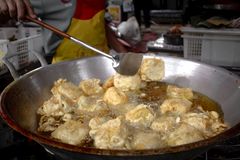
Wheat gluten produces the densest plant protein available, it costs very little to make, and it is unsuitable for a significant minority of people.
Cooking Technique
Spices are where the flavour comes from in plant-based cooking, and most home kitchens buy them badly and store them worse.
Cooking Technique
Vegetable fermentation requires salt, vegetables and time, and it is the cheapest way to add flavour and interest to a plant-based kitchen.
Meal Building
Snacking is where a great deal of plant-based intake happens and where the protein disappears entirely.
Cooking Technique
Some people avoid added oil for medical or personal reasons. It is entirely possible and it requires different techniques rather than the same techniques without oil.
Cooking Technique
Cooking from scratch every night is not realistic for most people. There is a large middle ground between that and a packet.
Transition & Family
Cooking two meals every night is unsustainable. The solution is a shape of meal that works for everyone with one addition.
Meal Building
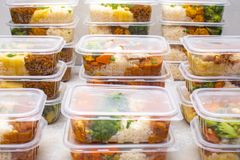
The problem with cooking once and eating five times is the eating five times. There are ways round it.
Cooking Technique
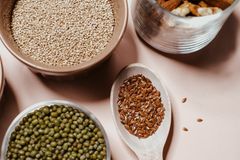
Traditional preparation methods for legumes and grains have measurable effects on nutrition, and the reasons are more specific than the general enthusiasm suggests.
Meal Building
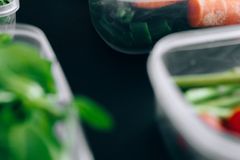
Packed lunch fails because it is either too ambitious or too dull, and both failures end at the sandwich shop.
Meal Building
A pot of something is the most efficient cooking there is, and the difference between a good one and a watery one is a small number of techniques.
Cooking Technique
The thing people miss most when they stop eating meat is savoury depth, and it is entirely replaceable if you know what to reach for.
Meal Building
Breakfast is the meal where protein disappears entirely, which is why people are hungry by eleven.
Cooking Technique
Roasting is the technique that converts vegetable sceptics, and most people do three things wrong.
Cooking Technique
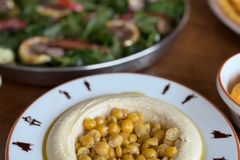
Most people eat three legumes and find them repetitive. There are dozens, they behave differently, and the range is where the interest is.
Meal Building
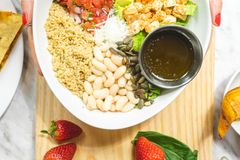
A bowl of grains, beans and vegetables is dull without a sauce and excellent with one. Learn four and you will never eat a boring plate.
Transition & Family
The social side is what makes plant-based eating difficult to sustain, and most of it is manageable with a small amount of planning and a particular attitude.
Cooking Technique
Most grain cooking failures come from treating them all like rice, when they behave quite differently.
Meal Building
Meal planning fails when it is too ambitious. A workable week uses a small number of components, cooked once, recombined.
Cooking Technique
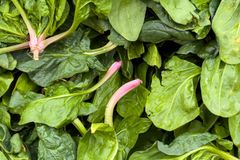
The reason most people dislike cooked greens is that they have only eaten them boiled to grey. The techniques are simple and the difference is enormous.
Cooking Technique
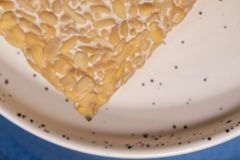
Most people who say they dislike tofu have eaten it prepared badly, which is nearly always a moisture problem.
Meal Building
The commonest complaint about plant-based meals is being hungry two hours later. It is nearly always a structural problem with the plate rather than a problem with plants.
Cooking Technique
Dried legumes are the cheapest good food available and most people cook them badly, which is why they think they prefer the tin.