Meal Building
Soups and stews that carry a week
A pot of something is the most efficient cooking there is, and the difference between a good one and a watery one is a small number of techniques.
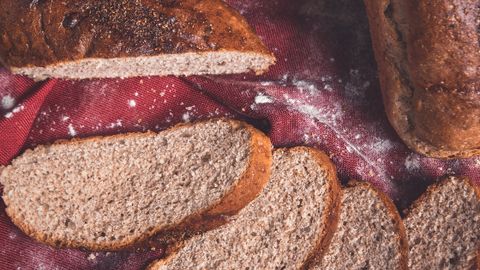
One pot, one hour, six meals. Soups and stews are the most efficient way to cook and the format that suits legumes best.
The reason home-made soup is frequently disappointing comes down to a few things.
Build a base
Every good pot starts the same way, in every cuisine.
Aromatic vegetables, cooked slowly in fat until soft and starting to colour. Onion, and then some combination of carrot, celery, leek, garlic, ginger, chilli, pepper.
The mistake is rushing this. Five minutes gives you raw onion in liquid; twenty minutes gives you sweetness and depth.
Salt the base as it cooks, which draws moisture out and helps it soften.
Bloom the spices
Ground spices added to liquid taste raw and dusty. Added to the hot fat with the aromatics, for thirty seconds until fragrant, they taste completely different.
Whole spices go in first, into the oil, before the vegetables.
This single step accounts for a large part of the difference between home cooking and restaurant cooking.
Build umami deliberately
The element plant-based soups most often lack.
Tomato purée, added to the base and cooked until it darkens and smells sweet. Two minutes, and it transforms a pot.
Dried mushrooms, soaked, with the soaking liquid used as stock. The single most effective umami addition available.
Miso, stirred in at the end, off the heat, so the flavour is not cooked out.
Soy sauce, a splash.
Nutritional yeast.
A piece of kombu in the cooking liquid.
Browned vegetables. Roasting some of the vegetables before adding them, or browning mushrooms properly before anything else goes in.
Use two or three of these, not one.
Get the texture right
Thin, watery soup is unsatisfying regardless of flavour.
Blend some of it. Not all — blend a third and stir it back, which thickens the liquid while leaving texture.
Use a starchy ingredient. Potato, red lentils, or a handful of rice, all of which break down and thicken.
Mash some of the beans against the side of the pot.
Reduce it. Simmering with the lid off concentrates everything.
Add fat. A generous swirl of olive oil at the end, or coconut milk, or a spoon of tahini.
Finish it
The step that separates a good pot from a dull one, and it happens off the heat.
Acid. Lemon, vinegar, tamarind. Almost every soup improves with acid at the end, and its absence is what makes food taste flat and heavy.
Fresh herbs, added at the end rather than cooked.
Something crisp on top. Croutons, toasted seeds, crisp shallots, chilli oil.
More salt, tasted and adjusted.
The formats worth knowing
Dal. Red lentils, turmeric, salt, water, cooked until collapsed. Then a tarka — spices and aromatics fried in oil and poured over at the end. The tarka is what makes it, and it takes three minutes.
A bean and greens soup. White beans, aromatics, stock, a rind of something savoury, greens wilted at the end, olive oil and lemon.
A tomato and lentil stew. Base, spices, tinned tomatoes, lentils, stock. Endlessly variable by spice.
A coconut curry. Base, curry paste or spices, coconut milk, vegetables, legumes or tofu, lime at the end.
A chunky vegetable soup with a starchy element, finished with a herb sauce.
A ribollita-style thing: beans, greens, tomato and stale bread cooked in until it collapses. Thick enough to stand a spoon in.
Batch and storage
Make a large pot. It costs no more attention than a small one.
Cool it quickly — this matters for food safety. Divide into shallow containers rather than leaving a large pot to cool slowly.
Refrigerate within an hour or two, use within three or four days, and freeze the rest in single portions.
Soups thicken in the fridge. Loosen with water or stock when reheating.
Reheat thoroughly to steaming hot, once.
One caution: soups containing rice or pasta go mushy on standing. Cook those separately and add on serving.
Making it different each time
Eating the same pot four days running is why people stop batch cooking.
The same soup can be: served as it is; over rice or grain; blended smooth with a different topping; with bread torn into it; with a fried egg alternative on top; with a completely different finishing sauce.
Changing the topping and the acid changes the meal considerably more than the effort suggests.
Also by Owen Brannagh
- Eating plant-based where the shops are limitedTransition & Family
- Dinner formulas that work every timeMeal Building
- Cooking with almost no equipmentCooking Technique
- Iron-rich meals: putting the principles togetherMicronutrients