Meal Building
Breakfast that is not just carbohydrate
Breakfast is the meal where protein disappears entirely, which is why people are hungry by eleven.
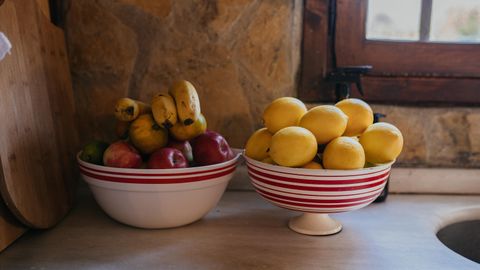
Toast, cereal, fruit and coffee. Almost no protein, almost no fat, and hunger at eleven.
This is the most consistently under-built meal of the day.
The soy milk point
Worth stating first because it is the easiest change.
Plant milks vary enormously in protein. Soy milk contains roughly comparable amounts to dairy milk. Almond, oat, rice and coconut milks contain very little — frequently under a gram per hundred millilitres.
Switching to soy milk for cereal, porridge and coffee adds meaningful protein for no effort and no extra cost.
Choose fortified, unsweetened varieties.
Overnight oats, done properly
Rolled oats, soy milk, chia or ground flaxseed, a spoon of nut butter, fruit.
Made the night before, eaten cold. Around fifteen to twenty grams of protein depending on quantities, plus fibre, plus omega-3 from the seeds.
Additions that improve it: a spoon of soy yoghurt, a scoop of protein powder, cocoa, cinnamon, grated apple, or a spoonful of jam if you want it sweet.
Making four at once on a Sunday removes the decision for the week.
Porridge, done properly
Made with soy milk rather than water. Salt in it, which sounds wrong and is what makes it taste of something.
Then something on top with fat and protein: nut butter, seeds, chopped nuts, tahini with a little honey or syrup.
Cooking the oats with a grated apple or a mashed banana thickens it and sweetens it without sugar.
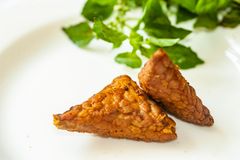
Tofu scramble
The savoury option, and better than its reputation.
Firm tofu, crumbled by hand rather than chopped, so the texture is irregular. Press it briefly first.
Fry in oil until it starts to catch. Then the seasoning, which is what makes or breaks it: turmeric for colour, nutritional yeast, salt, black pepper, and — the key ingredient — a small pinch of kala namak, black salt, which contains sulphur compounds and produces a distinctly eggy flavour.
Without kala namak it is fried tofu. With it, it is something else entirely.
Add whatever vegetables you have. Serve on toast.
Around twenty grams of protein and it takes ten minutes.
Beans on toast, properly
Not the tinned version, though that is fine too.
White beans warmed with olive oil, garlic, a spoon of tomato purée cooked until it darkens, a splash of the bean liquid, and something green wilted in at the end.
On good toast, with more olive oil, lemon zest and chilli.
Twenty minutes, substantial protein, and considerably better than it sounds.
The smoothie, if you must
Useful when appetite is low or time is short, and it should still contain protein.
Soy milk as the base. Frozen banana for texture. Nut butter or seeds for fat. Protein powder if the target is high. Spinach, which you will not taste. Oats for substance.
A smoothie of fruit and water is a drink rather than a meal.
Leftovers
The most sensible option and the one Western habits resist.
Most of the world eats savoury food for breakfast — rice and soup, dal and flatbread, beans and tortilla, congee.
Last night's dinner reheated is a better breakfast than most cereals, requires no preparation, and solves the protein problem entirely.
Worth trying if you have not.
The five-minute version
For people who will not cook in the morning.
Soy yoghurt with granola, seeds and fruit. Around fifteen grams of protein depending on the yoghurt.
Wholemeal toast with peanut butter and banana, and a glass of soy milk. Around twenty grams.
Both take two minutes and both are considerably better than cereal.
What to watch for in shop-bought breakfast foods
Granola, which is frequently very high in added sugar and oil. Making it is straightforward — oats, nuts, seeds, a little oil and syrup, baked low and slow — and considerably cheaper.
Flavoured yoghurts and plant milks, which carry a lot of added sugar.
Cereal, where the fortification is genuinely useful and the sugar content varies enormously. Fortified cereals are a meaningful source of iron, B12 and other nutrients for many people; check which ones are fortified and what else is in them.
Breakfast bars, which are generally confectionery.
Coffee, briefly
One practical point: tea and coffee substantially inhibit non-haem iron absorption when consumed with a meal.
If you eat a fortified cereal for the iron and drink coffee with it, you are undoing a good part of the benefit.
Moving the coffee an hour later is a small change with a measurable effect for anyone with marginal iron status.
Also by Owen Brannagh
- Eating plant-based where the shops are limitedTransition & Family
- Dinner formulas that work every timeMeal Building
- Cooking with almost no equipmentCooking Technique
- Iron-rich meals: putting the principles togetherMicronutrients