Micronutrients
Iron-rich meals: putting the principles together
Everything about iron absorption becomes practical when applied to actual meals rather than to a list of foods.
The iron principles are straightforward: eat iron-rich plant foods, include vitamin C, keep tea and coffee away from meals, and prepare legumes and grains in ways that reduce phytate.
Here is what that looks like on a plate.
The combinations that work
Lentils with tomato and lemon. Lentils supply iron, tomatoes and lemon supply vitamin C and organic acids, and the acid at the end also makes the dish taste better.
A basic dal finished with lemon juice, or a lentil and tomato stew, does this without any effort.
Chickpeas with peppers. Peppers are among the richest vitamin C sources, higher than citrus by weight.
A chickpea and roasted pepper stew, or a chickpea salad with raw pepper, delivers both.
Tofu with broccoli and citrus. Tofu supplies iron and calcium, broccoli supplies vitamin C, and a citrus-based sauce completes it.
White beans with greens and lemon. The Mediterranean staple, which does everything at once.
Fortified cereal with strawberries or orange juice. Fortified cereals are a genuinely substantial iron source, and the vitamin C from the fruit substantially improves absorption.
The caution: not with tea or coffee.
Hummus with lemon and raw vegetables. Chickpeas and tahini both supply iron, lemon supplies the vitamin C.
Pumpkin seeds on anything, since they are among the best plant iron and zinc sources.
The timing that matters
Tea and coffee. The largest single inhibitor, and the easiest to fix.
Studies have found substantial reductions in non-haem iron absorption when tea is consumed with a meal.
Moving them an hour either side of iron-rich meals is a change with a measurable effect and no cost.
For anyone with marginal iron status who drinks tea with every meal, this alone can make a difference.
Calcium supplements, which should be taken away from iron-rich meals.
Dairy-free milks fortified with calcium have a smaller effect than a supplement and are worth being aware of.
The preparation that matters
Soaking legumes and discarding the water.
Sourdough rather than yeasted bread, where the long acidic fermentation reduces phytate substantially and improves mineral absorption from the same flour.
Fermented soy — tempeh and miso — which are better absorbed than unfermented.
Sprouting, which reduces phytate considerably.
Cast iron cookware, which adds a measurable amount of iron to food, particularly acidic dishes cooked for a long time.
A tomato sauce simmered in a cast iron pan picks up a genuine amount. This is a real effect rather than folklore.
A day designed for iron
Breakfast: fortified porridge or cereal with berries and a glass of orange juice. Tea an hour later.
Lunch: lentil salad with roasted peppers, lemon dressing, pumpkin seeds, sourdough bread.
Dinner: tofu and broccoli stir fry with a citrus and soy sauce, over rice.
Snack: hummus with raw pepper and carrot.
That is a substantial iron intake with vitamin C at every meal and no inhibitors alongside them.
The plant iron sources, ranked practically
Best: fortified cereals, where fortification is generous; pumpkin seeds; tofu and tempeh; lentils; white beans; chickpeas.
Good: other legumes, tahini, quinoa, oats, dried apricots, cashews, wholemeal bread.
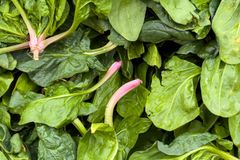
Over-rated: spinach, which is high in iron and high in oxalate, which binds it. Absorption from spinach is very poor.
Spinach is an excellent food. It is not an iron source, and the popular association is essentially a historical error.
Kale, broccoli and pak choi are the greens whose minerals are actually well absorbed, since they are low in oxalate.
When meals are not enough
Diet alone does not always correct established deficiency, particularly where losses are ongoing.
Where a test shows depleted stores, supplementation on medical advice is generally needed, and dietary measures support rather than replace it.
Points from recent research: alternate-day dosing has evidence for better absorption than daily; morning dosing is better than after exercise; and take it with vitamin C and away from tea, coffee and calcium.
The test point again
Do not supplement without testing. Iron overload is harmful, haemochromatosis is more common than people realise, and unexplained deficiency sometimes has an underlying cause requiring investigation.
Everything above is about the diet. The decision to supplement is a clinical one.
Do not take iron supplements without testing. Persistent fatigue or heavy menstrual bleeding warrants medical assessment.
Also by Owen Brannagh
- Eating plant-based where the shops are limitedTransition & Family
- Dinner formulas that work every timeMeal Building
- Cooking with almost no equipmentCooking Technique
- When one person in a couple changesTransition & Family