Micronutrients
Vitamin K2 and the claims made about it
K2 is heavily marketed to plant-based eaters and the evidence is thinner and more interesting than either the enthusiasts or the dismissers suggest.
Vitamin K comes in two main forms and the distinction drives most of the discussion.
K1 and K2
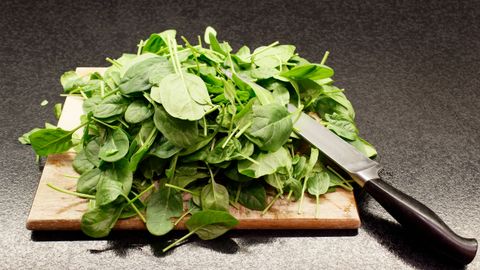
Vitamin K1 — phylloquinone — is found abundantly in green leafy vegetables. It is the main dietary form and it is required for blood clotting.
Deficiency is uncommon in adults eating any vegetables.
Vitamin K2 — menaquinones, of which there are several forms — is found in fermented foods and in some animal products, and is also produced by gut bacteria.
K2 has attracted interest for roles beyond clotting, particularly in bone metabolism and in preventing calcification of arteries, through activation of specific proteins.
The claims
The strong version, widely promoted: that K2 directs calcium to bone and away from arteries, that plant-based diets are deficient in it, and that supplementation is essential.
The evidence is more equivocal.
Observational studies have found associations between higher K2 intake and lower cardiovascular risk and better bone outcomes in some populations, with K1 showing weaker associations.
Trials have produced mixed results. Some studies of K2 supplementation report effects on bone density markers or on arterial stiffness; others find no clinical benefit.
Systematic reviews have generally concluded that the evidence is suggestive and insufficient to establish clinical benefit for the general population.
Some of the more positive findings come from populations with high habitual intake of a specific fermented soybean food, which complicates generalisation.
The conversion question
The body converts some K1 into K2, in tissues. The efficiency of this conversion is debated and it is not zero.
Gut bacteria also produce menaquinones, though how much is absorbed is unclear.
Which means that the claim that plant-based eaters have no K2 is not accurate — they have less of it from food, and they produce some.
The plant sources
Natto, fermented soybeans, is by a very large margin the richest food source of the most-studied form of K2. It is an acquired taste, with a strong flavour and a stringy texture, and it is available in Japanese and general Asian grocers.
One portion provides a substantial amount.
Other fermented foods — sauerkraut, miso, tempeh, some fermented vegetables — contain smaller and variable amounts depending on the bacteria involved.
Supplements, which are available in vegan forms, generally derived from fermentation.
The two main supplemental forms differ in half-life, with one remaining in circulation considerably longer.
K1, which is easy
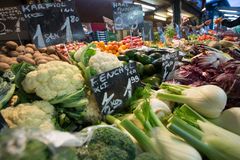
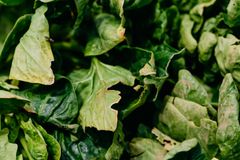
Worth noting that K1 intake on a plant-based diet is generally excellent, since green leafy vegetables are the richest source.
Kale, spinach, broccoli, cabbage, spring greens and herbs are all high in it.
K1 is fat-soluble, so eating greens with fat improves absorption — another argument for the olive oil.
The anticoagulant interaction, which matters
An important practical point.
Vitamin K antagonists — warfarin in particular — work by interfering with vitamin K. Changes in vitamin K intake affect the medication's effect.
The standard advice for people on warfarin is not to avoid vitamin K but to keep intake consistent, so that the dose can be adjusted appropriately.
Anyone on warfarin who changes to a plant-based diet, and therefore substantially increases their green vegetable intake, must tell their anticoagulation clinic, since monitoring and dose adjustment will be needed.
K2 supplements likewise should not be started without discussing them.
Direct oral anticoagulants are not affected in the same way.
The reasonable position
The K2 evidence is not strong enough to make supplementation essential, and it is interesting enough that it is not unreasonable.
What is well supported: eat plenty of green vegetables, which provides abundant K1, and eat fermented foods regularly, which provides some K2 alongside other benefits.
What is optional: a K2 supplement, which is low-risk for most people and whose benefit is not established.
What is not supported: the claim that plant-based diets are dangerously deficient in K2, or that supplementation is necessary for anyone eating vegetables.
The pattern this illustrates
Worth noting generally.
A nutrient with plausible mechanisms and promising observational data attracts supplement marketing well ahead of the trial evidence.
This has happened repeatedly — with antioxidants, with several vitamins, with fish oil for primary prevention — and the trials frequently disappoint.
The reasonable response is neither to dismiss the nutrient nor to treat mechanistic plausibility as established benefit.
General information rather than individual advice. Anyone taking warfarin must discuss vitamin K intake and any dietary change with their anticoagulation clinic.
Also by Dr. Farah Siddiqui
- Sustaining it for decadesTransition & Family
- Reintroducing foods, if you decide toTransition & Family
- Young athletes on plant-based dietsSport & Performance
- Protein requirements across a lifetimeProtein & Amino Acids