Micronutrients
The gut microbiome and what fibre actually does
Plant-based diets change the gut microbial community substantially, which is genuinely interesting and considerably less well understood than the marketing suggests.
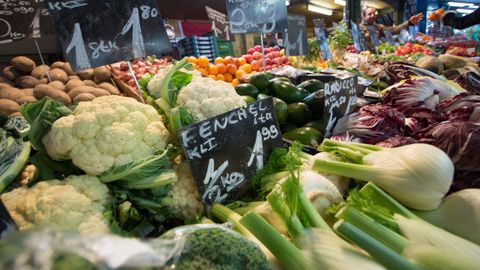
The gut microbiome is one of the more active areas in nutrition research and one of the most overstated in popular coverage.
Here is roughly where the evidence sits.
What is reasonably established
Diet substantially shapes the gut microbial community. Dietary changes produce measurable shifts in composition within days.
Fibre is the principal driver. Fibre and other fermentable carbohydrates are the substrate that gut bacteria metabolise, and intake correlates with microbial diversity.
Plant-based diets are associated with different microbial profiles than diets high in animal products — generally with greater diversity and with higher abundance of fibre-fermenting species.
Short-chain fatty acids are produced when bacteria ferment fibre. These have documented effects on the gut lining, on immune function and on metabolism, and they are the main proposed mechanism for fibre's benefits beyond the gut.
Diversity is generally associated with better health outcomes, though the relationship is correlational and the direction is not always clear.
What is not established
What an optimal microbiome looks like. There is no defined healthy profile, and composition varies enormously between healthy people.
Causation, in most cases. Associations between microbial composition and disease are numerous. Whether the microbiome causes the condition, or the condition alters the microbiome, is frequently unresolved.
Whether measured composition predicts anything useful for an individual. Commercial testing services offering dietary recommendations from a stool sample are ahead of the science.
Which specific bacteria matter for which outcomes.
Whether probiotic supplementation produces lasting change. Most supplemented organisms do not establish permanently, and effects are largely transient and dependent on continued consumption.
What actually supports it
The practical advice, which is unglamorous and reasonably well supported.
Eat a wide variety of plant foods. Diversity of plant intake correlates with microbial diversity better than quantity of any single food.
Some researchers suggest aiming for a substantial number of distinct plant foods weekly — vegetables, fruit, grains, legumes, nuts, seeds, herbs and spices all count.
Counting them for a week is a revealing exercise. Most people manage fewer than they expect.
Eat plenty of fibre, from varied sources rather than from one.
Eat fermented foods, where there is some interventional evidence for effects on microbial diversity and inflammatory markers.
Avoid unnecessary antibiotics, which have substantial and sometimes prolonged effects.
Include prebiotic-rich foods — onions, garlic, leeks, artichokes, bananas, oats, legumes — which contain fermentable carbohydrates.
Resistant starch, found in cooled cooked potatoes, rice and pasta, and in legumes and green bananas.
Probiotic supplements
The evidence is narrower and more specific than the marketing.
Where reasonably supported: certain strains for antibiotic-associated diarrhoea; some strains for acute infectious diarrhoea in children; some evidence for irritable bowel syndrome symptoms with particular strains.
Where weak or absent: general immunity, mood, weight, skin, and most wellness claims.
Effects are strain-specific. Evidence for one strain does not transfer to another, and products frequently do not specify strains or contain what they claim.
Safety is generally good with specific exceptions: people who are severely immunocompromised, critically ill, or have central venous catheters should not take them without medical advice, since infections caused by probiotic organisms have occurred.
The transition period
Practically relevant.
A substantial increase in fibre produces bloating and wind for several weeks while the microbial community adapts.
This is the adaptation happening rather than an intolerance, and it resolves with continued exposure.
Increasing gradually, drinking more water, and eating legumes regularly rather than occasionally all help.
Where the interest is justified
Worth being fair to the field.
The microbiome is genuinely implicated in immune development, in metabolism, in the production of certain vitamins, and in the metabolism of drugs and dietary compounds.
Faecal microbiota transplantation is an established treatment for recurrent Clostridioides difficile infection, which demonstrates that the microbiome can be causally important in at least one condition.
Research on the metabolism of dietary compounds by gut bacteria — including compounds relevant to cardiovascular risk — is producing genuinely interesting findings.
The field is promising. It is not yet clinically actionable for individuals in the way that products suggest.
The practical summary
Eat many different plants. Eat plenty of fibre. Eat fermented foods. Do not buy a microbiome test expecting a personalised diet.
Which is the same advice that follows from the fibre evidence alone, arrived at from a different direction.
General information rather than individual advice. Do not take probiotics if immunocompromised or critically ill without medical advice. Persistent digestive symptoms require medical assessment.
Also by Dr. Farah Siddiqui
- Sustaining it for decadesTransition & Family
- Reintroducing foods, if you decide toTransition & Family
- Young athletes on plant-based dietsSport & Performance
- Protein requirements across a lifetimeProtein & Amino Acids