Protein & Amino Acids
Legume-based protein: the underrated basics
Legumes are the foundation of plant protein and the food group most associated with good health outcomes, and most people eat far less than they think.
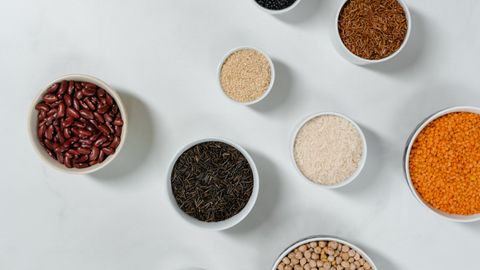
Legumes are the single most useful food group in a plant-based diet: protein, fibre, iron, zinc, folate, potassium, and a very low cost per serving.
They are also the food group with some of the more consistent evidence for health outcomes.
The evidence
Cohort studies have associated regular legume consumption with reduced cardiovascular risk and with reduced all-cause mortality.
Trials have found effects on cholesterol, on glycaemic control and on blood pressure, with reviews generally supporting modest benefits across these measures.
Legumes appear consistently in analyses of dietary patterns associated with longevity, including in populations studied for exceptional life expectancy.
Every major dietary guideline recommends increasing consumption, and average intake in most high-income countries falls well short.
The nutritional profile
Per hundred grams cooked, roughly:
Seven to nine grams of protein. Six to eight grams of fibre, which is a substantial proportion of daily requirements. Meaningful iron, zinc, magnesium, potassium and folate. Very low fat. Low glycaemic index.
Soy is the outlier — considerably higher in protein and fat, and with a more complete amino acid profile.
How much
A portion — around a tin drained, or a mug cooked — provides roughly fifteen grams of protein and a substantial share of daily fibre.
Daily consumption is a reasonable target for anyone plant-based, and it is what most traditional plant-based diets involve.
Most people who think they eat plenty of legumes are eating them two or three times a week.
Getting more of them in
The practical problem is habit rather than preference.
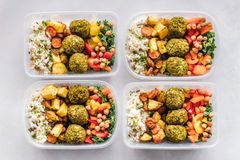
Add them to things you already make. A tin of white beans into a pasta sauce. Lentils into a bolognese. Chickpeas into a curry or a roast tray.
This is the easiest route and it requires learning nothing.
Cook a pot weekly and keep it in the fridge, so they are available without a decision.
Use them as the base rather than an addition. A meal built around beans rather than beans scattered on a meal built around something else.
Blend them. Into soups for thickness, into dips, into sauces. White beans blended with garlic and lemon make a creamy sauce with no dairy and considerable protein.
Use lentils where you would use mince. Brown or green lentils in a ragù, a chilli or a shepherd's pie.
Breakfast. Beans on toast, or a savoury bowl. Unfamiliar in some cultures and entirely normal in others.
The digestive objection, addressed
The main reason people avoid them.
Oligosaccharides that human enzymes cannot break down are fermented by gut bacteria, producing gas.
What helps:
Soaking and discarding the water. Thorough cooking. Traditional spices — cumin, asafoetida, ginger, fennel — paired with pulses across many cuisines for exactly this reason. Starting with smaller portions and building up. Choosing the more easily digested types — split red lentils and mung dal are considerably gentler than whole kidney beans.
And, most effectively, eating them regularly. Gut bacteria adapt over weeks, and habitual eaters report far less trouble than occasional ones.
The common advice to avoid beans because of the effect is exactly backwards.
The lectin question
Worth addressing, since it circulates.
Raw legumes contain lectins, and kidney beans in particular contain a toxin that causes severe gastrointestinal illness if eaten raw or undercooked.
Boiling for at least ten minutes destroys it. Tinned beans are already cooked. Slow cookers on low may not reach a sufficient temperature, which is why dried kidney beans should be boiled hard before slow cooking.
Properly cooked legumes contain negligible active lectins.
The broader claim that lectins in cooked legumes cause harm is not supported, and it sits awkwardly alongside the substantial evidence associating legume consumption with better health outcomes.
The purines note
Legumes contain moderate amounts of purines, which are relevant for gout.
Worth knowing: the evidence suggests that purines from plant sources do not increase gout risk in the way that purines from meat and seafood do, and some studies find legume consumption neutral or protective.
Anyone with gout should discuss diet with their doctor rather than avoiding legumes on this basis alone.
Buying and storing
Dried from a shop with turnover, since old beans never soften properly.
Ethnic grocers for range and price.
Store dried in airtight containers away from light. They keep for a long time and get harder to cook with age — use within a year or two.
Tinned are fine, nutritionally comparable, and considerably more expensive per portion.
The one-line version
Eat a portion of legumes every day.
Of everything on this site, that single habit does more for protein, fibre, iron, zinc and cost than any other change.
General information rather than individual advice. Dried kidney beans must be boiled hard for at least ten minutes. Anyone with a diagnosed condition should consult a registered dietitian.
Also by Dr. Farah Siddiqui
- Sustaining it for decadesTransition & Family
- Reintroducing foods, if you decide toTransition & Family
- Young athletes on plant-based dietsSport & Performance
- Protein requirements across a lifetimeProtein & Amino Acids