Protein & Amino Acids
Seitan: making it, and who should avoid it
Wheat gluten produces the densest plant protein available, it costs very little to make, and it is unsuitable for a significant minority of people.
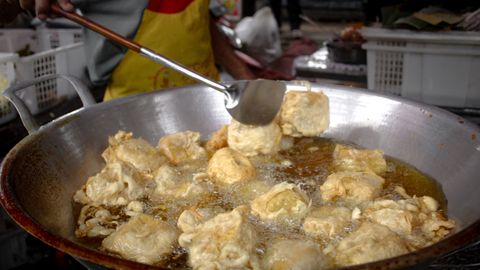
Seitan is wheat gluten, hydrated and cooked. It contains around twenty-five grams of protein per hundred grams, which is the highest of any common plant protein.
It is also, obviously, entirely unsuitable for anyone with coeliac disease or wheat allergy, which is worth stating at the top.
Who must avoid it
Coeliac disease, an autoimmune condition in which gluten causes intestinal damage. Affects roughly one percent of people in many populations and is substantially under-diagnosed.
Seitan is essentially concentrated gluten and is the worst possible food for someone with coeliac disease.
Wheat allergy.
Non-coeliac gluten sensitivity, a contested but reported condition where symptoms occur without the autoimmune markers.
An important note: coeliac testing requires gluten to be in the diet. Anyone who suspects a problem should be tested before removing it, since testing after removal produces false negatives.
Making it
Two methods.
From vital wheat gluten, which is the practical way. The flour is sold in most health food shops and online.
Mix vital wheat gluten with seasoned liquid — stock, soy sauce, nutritional yeast, garlic and onion powder, whatever you like — at roughly a three-to-two ratio of gluten to liquid by volume.
Knead briefly. Not for long; over-kneading produces something extremely tough.
Rest for ten minutes, then shape.
From flour, the traditional method. Make a dough from strong flour and water, rest it, then wash it repeatedly under running water until the starch is gone and only the gluten remains.
Takes considerably longer, uses a lot of water, and produces a different texture that many people prefer.
Cooking it
The step that determines the texture.
Simmering. In seasoned stock, gently — never boiling, which produces a spongy texture. Around forty-five minutes.
The seitan expands considerably, so allow room.
Steaming, wrapped in foil or parchment. Produces a firmer, denser texture than simmering, and it is the method most people prefer for anything sliceable.
Around ninety minutes for a large piece.
Baking, wrapped, which is similar to steaming.
Then let it cool and rest, ideally overnight in the fridge, which firms it considerably and improves the texture.
After that: slice and fry, roast, grill, or use in a stew.
Getting the texture right
The common complaints are rubbery and spongy, and both have specific causes.
Rubbery: over-kneaded. Mix until just combined.
Spongy: boiled rather than simmered, or too much liquid in the dough.
Bland: under-seasoned. Seitan takes seasoning throughout only if it is in the dough — surface seasoning does not penetrate.
Season the dough heavily and the cooking liquid heavily.
Improving the texture: adding chickpea flour, or a little mashed tofu or beans, to the dough produces a less uniformly chewy result that many people prefer.
Adding a tablespoon of oil improves mouthfeel.
The nutritional picture
Very high in protein, low in fat, and low in lysine, since wheat protein is lysine-limited.
Which means it should be eaten alongside legumes across the day, which most people do anyway.
It is not a complete replacement for legumes nutritionally — it lacks the fibre, the iron and the folate — and it is an excellent complement.
Sodium is worth watching, since the seasoning and the stock typically contain a lot.
Cost
Vital wheat gluten is inexpensive, and home-made seitan works out at a small fraction of the cost of commercial meat alternatives, at a considerably higher protein content.
For anyone eating gluten and wanting high protein cheaply, this is the best value available.
Buying it
Commercial seitan is available and is generally expensive relative to making it, and it is convenient.
Check the sodium content, which is frequently high, and the ingredient list, since some products contain a lot besides gluten.
Traditional preparations exist across East Asian cuisines — mock duck and various braised gluten products — which are frequently better than Western commercial versions and considerably cheaper from Asian grocers.
Uses
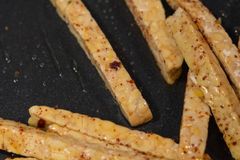
Sliced and pan-fried until crisp at the edges. Cubed in stews and curries, where it holds its shape well. Shredded for sandwich fillings. Grilled. In a stir fry.
It does not fall apart, which distinguishes it from tofu and legumes and makes it useful where structure matters.
The gluten question generally
Worth addressing briefly, since it comes up.
For people without coeliac disease or wheat allergy, there is no evidence that avoiding gluten is beneficial. Population surveys find that a substantial proportion of people avoiding gluten have no diagnosed condition.
Gluten-free versions of foods are frequently lower in fibre and higher in sugar and fat, since gluten does structural work that has to be replaced.
For people with coeliac disease, avoidance is absolute and lifelong, and it is a serious medical condition rather than a preference.
Anyone with symptoms suggesting coeliac disease should be tested before removing gluten from their diet, since testing requires gluten to be present.
Also by Owen Brannagh
- Eating plant-based where the shops are limitedTransition & Family
- Dinner formulas that work every timeMeal Building
- Cooking with almost no equipmentCooking Technique
- Iron-rich meals: putting the principles togetherMicronutrients