Transition & Family
Eating plant-based where the shops are limited
Most plant-based advice assumes a well-stocked supermarket and a specialist aisle. A great many people have neither.
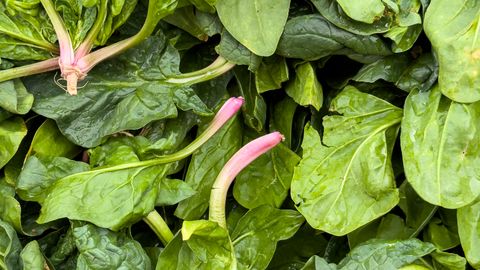
Advice written from a city with three supermarkets and a health food shop does not travel to a village with one small shop, or to areas where fresh produce is scarce and expensive.
The good news is that a plant-based diet requires less specialist shopping than people assume.
What you actually need
Almost all of it is available in any general shop.
Tinned legumes — chickpeas, kidney beans, baked beans, lentils. Stocked essentially everywhere.
Dried lentils and split peas, which keep indefinitely and are widely stocked.
Rice, pasta, oats, flour.
Tinned tomatoes.
Frozen vegetables, which solve the fresh produce problem entirely and which most shops with a freezer stock.
Onions, garlic, potatoes, carrots, cabbage — the vegetables that keep and that are stocked even where range is limited.
Peanut butter.
Oil, salt, and a few basic spices.
That is a complete nutritional base, available in essentially any shop, and it is cheaper than the alternative.
What genuinely requires ordering
A short list.
B12 supplements, which are cheap, keep indefinitely, and can be ordered a year at a time.
Vitamin D, the same.
Iodine supplements or iodised salt, where not available locally.
Algal omega-3, if you want it.
Fortified plant milk, which is now widely stocked and which is worth ordering in bulk if it is not.
Long-life plant milk keeps for months unopened, so a bulk order is practical.
Tofu, if unavailable locally, though it does not keep as well. Vacuum-packed and long-life versions exist.
Nutritional yeast, tahini and specialist ingredients, which are optional rather than necessary.
Ordering strategically
A single order every few months covering the non-perishables removes most of the difficulty.
Dried legumes, grains, nuts, seeds, spices, supplements and long-life milk all keep for a long time.
Buying in larger quantities is also cheaper, which offsets the delivery cost.
Splitting a bulk order with someone else makes it cheaper again, and it addresses the storage problem.
The fresh produce problem
Where fresh vegetables are expensive, poor quality or unavailable.
Frozen is the answer. Frozen at harvest, nutritionally comparable to fresh and frequently better than fresh produce that has travelled and sat, cheaper, and no waste.
Peas, spinach, sweetcorn, broccoli, green beans, mixed vegetables, berries.
Tinned for tomatoes, and for some vegetables where the texture suits — tinned tomatoes are frequently better for cooking than fresh.
The keeping vegetables. Onions, carrots, potatoes, cabbage, squash and beetroot all keep for weeks and are stocked almost everywhere.
Cabbage in particular is under-rated — cheap, keeps for weeks, and excellent roasted, braised, fermented or raw.
Growing something, where possible. Herbs on a windowsill, and salad leaves and courgettes in a small space, which addresses the freshness problem at the point where it matters most.
Sprouting, which produces fresh green food from dried seeds with no garden and no shop. Mung beans and lentils sprout in a jar in a few days.
This is genuinely useful where fresh produce is scarce, and it costs almost nothing.
The food desert problem
Where the constraint is not rural remoteness but urban areas with poor food retail — no supermarket within reach, corner shops with limited fresh food, and no transport.
This is a structural problem rather than an individual one, and there are still practical measures.
Tinned and dried goods from whatever shop is available, which are frequently stocked even where fresh food is not.
Frozen where there is freezer space.
Community and cooperative buying schemes, which exist in many places and which pool orders.
Markets, which are frequently cheaper than shops for produce and which operate on particular days.
Food cooperatives and community projects, which vary enormously by area and are worth finding out about.
The meals that need nothing special
Every one of these uses only what a basic shop stocks.
Lentil soup with onion, carrot and stock.
Chickpea curry with tinned tomatoes and curry powder.
Pasta with tinned beans, garlic, oil and frozen spinach.
Dal with rice.
Baked beans on toast with an added tin of chickpeas and some spice.
Fried rice with frozen peas.
Cabbage braised with beans and stock.
Porridge with peanut butter.
None requires tofu, nutritional yeast, or anything from a health food shop.
The honest position
A great deal of plant-based content assumes an availability and a budget that many people do not have.
The nutritional requirements do not require any of that. Legumes, grains, frozen vegetables, oil, and a B12 supplement cover the essentials.
Everything else is convenience and variety, which are worth having and are not the basis.
General information rather than individual advice. Anyone experiencing difficulty accessing adequate food should contact local support services, which exist in most areas.
Also by Owen Brannagh
- Dinner formulas that work every timeMeal Building
- Cooking with almost no equipmentCooking Technique
- Iron-rich meals: putting the principles togetherMicronutrients
- When one person in a couple changesTransition & Family