Meal Building
What a week of meals actually looks like
Meal planning fails when it is too ambitious. A workable week uses a small number of components, cooked once, recombined.
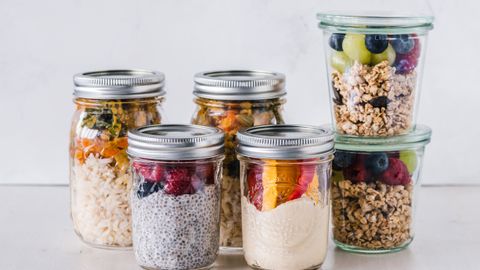
Elaborate meal plans are abandoned by Wednesday. What works is a small number of components prepared in advance and recombined into different meals.
The component approach
Rather than cooking seven different dinners, cook four or five components at the weekend and assemble them differently.
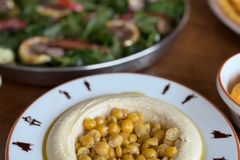
A pot of legumes. Chickpeas, black beans, or lentils, cooked with aromatics, kept in their liquid.
A grain. A large batch of rice, farro, barley or bulgur.
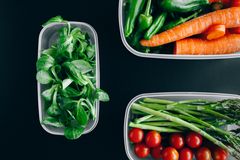
A tray of roasted vegetables. Whatever is cheap — squash, peppers, onions, cauliflower, carrots.
A sauce. Tahini-lemon, a herb sauce, a chilli oil, or a peanut sauce. This is the component that makes the difference between the same three things every day and genuinely different meals.
Something sharp. Quick pickled onions, a jar of sauerkraut, or lemons.
Five components, three hours on a Sunday, and the week's dinners become assembly rather than cooking.
How they recombine
Grain, legumes, roasted vegetables, sauce, pickle. A bowl.
Legumes, tinned tomatoes, spices, served with the grain. A stew.
Roasted vegetables and legumes blended with stock. A soup.
Legumes and roasted vegetables in a wrap with the sauce.
Grain fried in a hot pan with legumes, greens and soy sauce.
Legumes mashed with the sauce, on toast, with the pickle.
Six meals from five components, and none of them tastes like leftovers because the format and the accompaniment change.
The specific components worth learning
A tahini sauce. Tahini, lemon juice, garlic, salt, water to loosen. It will seize when you add liquid and then come back — keep adding water. Keeps a week.
This goes on everything.
A herb sauce. Any soft herbs, olive oil, garlic, acid, salt, blended. Parsley and coriander are cheapest.
Quick pickled onions. Red onion sliced thin, covered with vinegar, a spoon of sugar and salt. Ready in half an hour, keeps two weeks, and lifts any meal that is otherwise soft and rich.
Crispy chickpeas. Drained, dried, tossed in oil and spice, roasted until crunchy. A topping that adds texture and protein.
A chilli oil or crisp. Oil heated with chilli flakes, garlic and whatever aromatics. Keeps indefinitely and transforms dull food.
A realistic week
Not aspirational. This is roughly how it goes in practice.
Sunday: cook the components. Eat one of them as dinner.
Monday: bowl. Grain, legumes, roasted vegetables, sauce.
Tuesday: stew from the same legumes with tinned tomatoes and spices.
Wednesday: pasta with whatever is left, plus greens, oil and garlic. Fifteen minutes.
Thursday: fried rice or grain with the remaining vegetables and tofu.
Friday: something bought, or eggs on toast for those who eat them, or a takeaway. Do not plan seven nights.
Saturday: cook something you feel like cooking.
The failure mode of meal planning is planning every meal. Plan four.
Breakfast and lunch
Both benefit from being boring and repeated.
Breakfast: pick two things and rotate. Overnight oats with soy milk, seeds and fruit. Toast with nut butter and banana. Tofu scramble at the weekend.
The main point is protein, which breakfast usually lacks.
Lunch: leftovers, or a repeated formula. A jar of grain and legumes with dressing, assembled in the morning. Soup made in quantity and frozen in portions.
Trying to make lunch interesting every day is a reliable route to buying it instead.
The freezer
The most under-used tool.
Freeze: cooked legumes in portions with their liquid, soups and stews in single portions, cooked grains, bread, herbs in oil in ice cube trays, and ginger and chilli whole.
A freezer with four portions of dal in it removes most of the reasons people order food.
Shopping
A short standing list makes this considerably easier.
Tins of legumes and tomatoes. Dried lentils and beans. Rice, pasta, oats. Tofu. Onions, garlic, ginger, lemons. Whatever vegetables are cheap. Frozen peas and spinach. Nuts and seeds. Tahini, soy sauce, olive oil.
Buy vegetables that keep — cabbage, carrots, squash, onions — alongside the ones that do not, so that Thursday still has something in the house.
The realistic caveat
Nobody does this every week.
The point is to have a default structure to return to, so that a bad week means falling back on tinned beans and pasta rather than falling off entirely.
A system that survives being ignored for a fortnight is better than one that requires perfection.
Also by Owen Brannagh
- Eating plant-based where the shops are limitedTransition & Family
- Dinner formulas that work every timeMeal Building
- Cooking with almost no equipmentCooking Technique
- Iron-rich meals: putting the principles togetherMicronutrients