Meal Building
Building a plate that actually fills you up
The commonest complaint about plant-based meals is being hungry two hours later. It is nearly always a structural problem with the plate rather than a problem with plants.
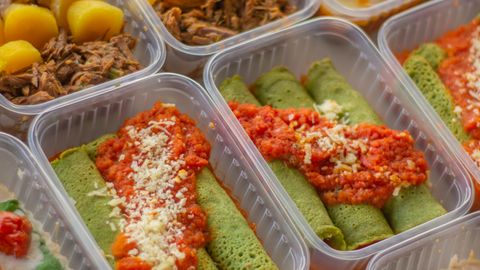
People who move to plant-based eating and find themselves constantly hungry are usually making the same mistake: a plate of vegetables with a small amount of grain and nothing else.
That plate is low in protein, low in fat, high in water and volume, and it empties from the stomach quickly.
The fix is structural.
The four components
Every meal should contain all four. If one is missing you will be hungry.
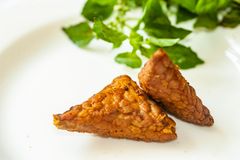
1. A substantial protein source. Not a garnish. Legumes, tofu, tempeh, seitan, or a generous quantity of nuts and seeds.
Aim for something in the region of twenty to thirty grams of protein per main meal. A tin of beans, a block of tofu split between two, or a mug of cooked lentils.
This is the component most often too small.
2. A starchy carbohydrate. Grains, potatoes, bread, pasta. Provides energy and bulk.
People reducing carbohydrate while also eating plant-based end up with a diet that is mostly vegetables, which is not enough food.
3. Fat. Olive oil, tahini, nuts, seeds, avocado, coconut.
Fat slows gastric emptying, carries flavour, and makes food satisfying. Low-fat plant-based eating is a common and miserable combination.
A tablespoon of tahini in a dressing, or a generous drizzle of oil, changes a meal considerably.
4. Vegetables, in quantity, for fibre, micronutrients and volume.
The template
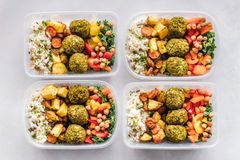
Roughly: a quarter of the plate protein, a quarter starch, half vegetables, with fat distributed through it.
Or, more practically, the formula that produces good meals in almost any cuisine:
A cooked legume or soy food, a grain or potato, a cooked vegetable, something raw and sharp, a sauce containing fat, and something with texture on top.
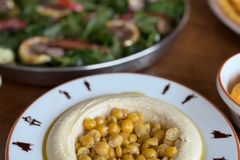
That is a bowl of chickpeas with rice, roasted broccoli, pickled onion, tahini dressing and toasted seeds. It is also a lentil stew with bread, a salad and olive oil.
The things that make a plate satisfying
Beyond the macronutrients, some practical points from a professional kitchen.
Salt properly. Under-seasoned food is unsatisfying regardless of composition, and people eating home-cooked plant food frequently under-salt because they associate salt with processed food.
Season in layers — the cooking water, during cooking, and at the end.
Acid. Lemon, vinegar, pickles, yoghurt alternatives. Acid makes everything taste more like itself and it is the most common missing element in home cooking.
Umami. Mushrooms, tomato paste, soy sauce, miso, nutritional yeast, olives, fermented things.
Plant-based cooking benefits enormously from deliberate umami, since meat supplies it by default and its absence is what people register as food tasting flat.
Texture contrast. Something crisp on something soft. Toasted nuts, crisp shallots, croutons, seeds.
A soft bowl of soft things is unsatisfying regardless of nutrition.
Temperature. Hot food is more satisfying than cold for most people, particularly in cold weather.
The specific failures I see most
Salad as a main meal. Unless it contains a substantial protein source, a starch and real dressing, it is a side dish.
Stir-fry with a token amount of tofu. Use the whole block.
Soup without bread or without legumes. Vegetable soup is a starter.
Removing meat and replacing it with nothing. The commonest error in the first month.
Fear of oil. Producing food that is dry, dull and unsatisfying.
Too much raw food. Raw vegetables are bulky and filling briefly, and cooked food generally sustains better.
Breakfast, specifically
The meal where protein most often disappears.
Toast, cereal, fruit and coffee is close to protein-free and leads directly to being hungry at eleven.
Additions that fix it: soy milk rather than other plant milks, since it is the only common one with comparable protein to dairy; nut butter; seeds; soy yoghurt; tofu scramble; beans; or leftovers from dinner, which is what most of the world eats for breakfast anyway.
The energy density point
Plant foods are generally less energy dense than animal foods. Which is useful if you are trying to lose weight and a genuine problem if you are not.
People who need a lot of energy — athletes, adolescents, anyone underweight, anyone with a small appetite — need to actively increase energy density: more oil and nuts, less bulk from raw vegetables, more concentrated foods like dried fruit and nut butters.
Trying to meet high energy needs on high-volume low-density food is physically difficult.
The test
If you are hungry two hours after a meal, look at the plate you ate.
Almost always the protein was too small, or there was no fat, or there was no starch.
Fix that one thing and the problem generally disappears.
General information rather than individual advice. Anyone with specific nutritional needs or a medical condition should consult a registered dietitian.
Also by Owen Brannagh
- Eating plant-based where the shops are limitedTransition & Family
- Dinner formulas that work every timeMeal Building
- Cooking with almost no equipmentCooking Technique
- Iron-rich meals: putting the principles togetherMicronutrients