Cooking Technique
Convenience without the ultra-processed aisle
Cooking from scratch every night is not realistic for most people. There is a large middle ground between that and a packet.
The advice to cook everything from raw ingredients assumes time and energy that most people do not have on a Wednesday.
The useful middle ground is convenience products that are minimally processed.
The genuinely useful shortcuts
Tinned legumes. The single most useful. Cooked, ready, cheap, nutritionally comparable to home-cooked.
Keep six tins in the cupboard at all times.
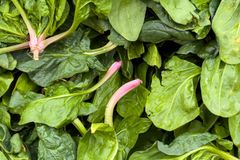
Frozen vegetables. Frozen at peak, nutritionally comparable to fresh and frequently better than fresh vegetables that have travelled and sat.
Peas, spinach, edamame, sweetcorn, broad beans, mixed vegetables. No preparation, no waste, always available.
Tinned tomatoes, which are the base of an enormous number of meals.
Frozen chopped onion, garlic and ginger, which removes the most tedious preparation step. Frozen ginger grates directly from the freezer.
Pre-cooked grain pouches, which are expensive per portion and remove a forty-minute step. Worth it on a weeknight.
Jarred or tinned pulses in sauce, which vary in quality and are sometimes very good.
Passata, tomato purée, curry pastes, miso, harissa, pesto. Concentrated flavour bases that turn plain ingredients into a meal in minutes.
Pre-washed leaves, which cost more than a head of lettuce and get eaten rather than rotting.
Nut butters, tahini, hummus.
Dried pasta and noodles, obviously.
None of these is ultra-processed in any meaningful sense. All of them save substantial time.
The fifteen-minute meals
Built on the above.
Pasta with beans and greens. Pasta on. Garlic and chilli in olive oil. Tinned beans in, mashed slightly. Frozen spinach or fresh greens. Pasta water to loosen. Lemon, olive oil, breadcrumbs or cheese alternative.
Coconut dal. Red lentils, tin of coconut milk, curry paste or spices, water. Twenty minutes unattended. Lime and coriander at the end.
Chickpeas with spinach and tomato. Onion, garlic, cumin, smoked paprika, tinned tomatoes, tinned chickpeas, frozen spinach. Bread.
Noodles with peanut sauce. Noodles, frozen edamame, whatever vegetable, peanut sauce from the jar plus lime and soy.
Beans on toast, upgraded. Covered elsewhere on this site and it belongs in any list of this kind.
A tray bake. Vegetables and chickpeas on a tray with oil and spice, in a hot oven, forty minutes with no attention. Sauce at the end.
What to keep so that a meal is always possible
The cupboard that means you never have nothing.
Tinned chickpeas, black beans, white beans, chopped tomatoes, coconut milk. Red lentils. Pasta, rice, noodles. Olive oil, soy sauce, tahini, vinegar. Onions and garlic. Frozen peas, spinach, edamame. Stock. Cumin, smoked paprika, chilli flakes, curry powder. Nuts and seeds. Peanut butter.
From that alone: dal, chickpea curry, pasta with beans, noodles with peanut sauce, and a dozen others.
The things worth making rather than buying
Not because bought is bad, but because these are quick and considerably better.
Salad dressing. Two minutes, no additives, and better than anything in a bottle.
Hummus, if you have a food processor. Better and cheaper.
Granola, where shop versions carry a lot of sugar and oil.
Chilli oil, which takes five minutes and keeps for months.
Pickled onions, half an hour, transform meals.
The genuinely ultra-processed products
Where the line reasonably falls.
Ready meals with long ingredient lists. Most meat alternatives designed to replicate meat closely. Packaged snacks and confectionery. Sweetened drinks. Reconstituted products with added flavourings, emulsifiers and colours.
These are not poison and a diet built on them is worse than one built on beans and vegetables.
The realistic position: use them when they solve a problem, and do not let them become the default.
The time-poor version
If you have twenty minutes total, three times a week:
Sunday: cook a large pot of dal or a stew, and a batch of rice. An hour, mostly unattended.
Wednesday: pasta with tinned beans, frozen greens, garlic and oil. Fifteen minutes.
Everything else: reheat, assemble from the cupboard, or buy something.
That is enough to eat well, and it is a great deal more sustainable than a plan requiring cooking every evening.
The thing worth investing in
If you eat legumes regularly, a pressure cooker.
Dried beans in a fraction of the time, unsoaked, hands off. It converts the cheapest food available from a weekend project into a weeknight option.
Beyond that: one good pan, one sharp knife, and a food processor if you make dips and sauces.
Everything else is optional.
Also by Owen Brannagh
- Eating plant-based where the shops are limitedTransition & Family
- Dinner formulas that work every timeMeal Building
- Cooking with almost no equipmentCooking Technique
- Iron-rich meals: putting the principles togetherMicronutrients