Cooking Technique
Sprouting, soaking and fermenting: what they actually do
Traditional preparation methods for legumes and grains have measurable effects on nutrition, and the reasons are more specific than the general enthusiasm suggests.
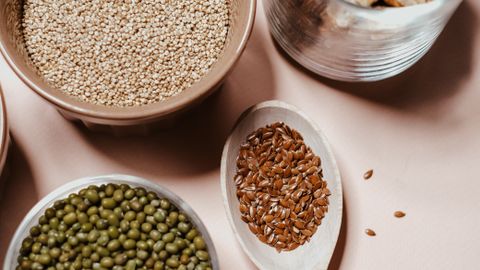
Every traditional cuisine that relies on grains and legumes has preparation methods involving time — soaking, sprouting, fermenting, leavening.
These were arrived at empirically and they turn out to have specific measurable effects.
What phytates are
Phytic acid is the storage form of phosphorus in plant seeds. It binds minerals — iron, zinc, calcium, magnesium — and reduces their absorption.
It is frequently described as an antinutrient, which is a partial account. Phytate also has antioxidant properties and there is research interest in possible protective effects, which complicates the picture.
The practical position: reducing phytate improves mineral absorption, and this matters most for people relying on plant foods for minerals.
Soaking
Water activates enzymes present in the seed, including phytase, which breaks down phytate.
It also leaches out some water-soluble compounds, including some phytate and some of the oligosaccharides responsible for wind.
Practical effects: reduced cooking time, more even texture, improved mineral availability, better digestibility.
Discard the soaking water. This is the step most often skipped and it is where the leached compounds go.
Warm water and a longer soak are more effective than a brief cold one. Adding a little acid — a spoonful of lemon juice or vinegar — activates phytase more effectively, which is the rationale behind traditional acid soaks.
Sprouting
Germination takes the process further. The seed mobilises its stores to grow, breaking down phytate substantially, increasing certain vitamins including some B vitamins and vitamin C, and improving protein digestibility.
Studies of sprouted legumes and grains generally find improved mineral availability and modest increases in some micronutrients.
How to do it: rinse the seeds, soak overnight, drain, then rinse and drain twice daily in a jar with a mesh lid, kept at an angle to allow drainage.
Ready in one to four days depending on the seed. Eat when the sprout is short — long sprouts become bitter.
What sprouts well: mung beans, lentils, chickpeas, alfalfa, broccoli seeds, sunflower seeds, wheat and other grains.
The safety point, which matters. Sprouts are grown in warm humid conditions, which suit bacteria as well as seeds. Sprouts have been implicated in a number of significant foodborne illness outbreaks.
Practical precautions: use seed sold for sprouting, keep everything scrupulously clean, rinse frequently, refrigerate once sprouted, and cook sprouts rather than eating raw if you are pregnant, elderly, immunocompromised or feeding young children.
Public health advice in several countries recommends against raw sprouts for these groups.
Do not sprout kidney beans and eat them raw. They contain a toxin requiring thorough boiling.
Fermenting
The most effective of the three for phytate reduction, and it produces the largest changes in flavour and digestibility.
Microorganisms consume sugars and produce acids, alcohols and other compounds. Phytase from the microorganisms and from the grain breaks down phytate substantially.
Sourdough is the clearest example. The long acidic fermentation reduces phytate in wholemeal flour considerably more than yeasted bread, which improves mineral absorption from the bread meaningfully.
It also produces a bread that many people find easier to digest, and there is some evidence around slower glycaemic response.
Idli and dosa batters, fermented rice and lentils, which improve both nutrition and flavour.
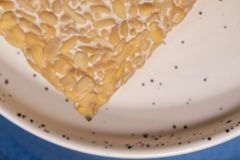
Tempeh, fermented soybeans, with improved digestibility and B vitamin content relative to unfermented soy.
Injera, fermented teff.
Miso, soy sauce, natto and the various fermented soy products.
Vegetable fermentation — sauerkraut, kimchi — which is a different process concerning preservation and flavour rather than mineral availability.
The other approaches
Cooking, which reduces phytate somewhat and denatures other compounds including lectins and enzyme inhibitors.
Leavening with yeast, which reduces phytate to a degree, less than sourdough.
Roasting and toasting, which has modest effects.
Milling, which removes the bran where most phytate is, at the cost of the fibre and minerals that are also there.
How much does it matter?
A reasonable question.
For someone eating a varied diet with adequate mineral intake, the effect is modest.
For someone relying heavily on unrefined grains and legumes as the principal source of iron and zinc, particularly where intake is marginal, it matters considerably.
Populations relying on unleavened wholegrain bread as a staple have historically shown higher rates of zinc and iron deficiency, and preparation method is part of the explanation.
The practical conclusion: use the traditional methods where convenient, and combine with vitamin C at meals, which addresses iron absorption by a different route.
What not to do
Do not conclude that grains and legumes should be avoided because of antinutrients.
These are among the best-evidenced foods for health outcomes, and the preparation methods that address the issue have existed for thousands of years and require no special knowledge.
Soak your beans, buy sourdough, and eat a lemon-dressed salad with your lentils.
Also by Owen Brannagh
- Eating plant-based where the shops are limitedTransition & Family
- Dinner formulas that work every timeMeal Building
- Cooking with almost no equipmentCooking Technique
- Iron-rich meals: putting the principles togetherMicronutrients