Micronutrients
Zinc and the absorption problem
Zinc gets less attention than iron and faces the same absorption issue, with a narrower margin between adequate and excessive.
Zinc is required for immune function, wound healing, protein synthesis, taste and smell, and a very large number of enzymatic processes.
It receives less attention than iron on plant-based diets and faces a similar problem.
The absorption issue
Plant zinc is bound by phytates, which reduces absorption substantially.
Absorption from a high-phytate diet can be roughly half that from a low-phytate diet, which is why several bodies suggest higher intakes for people eating no animal products.
Figures around 1.5 times the general recommendation are commonly cited for vegetarians and vegans, particularly where the diet is high in unrefined grains and legumes.
The sources
Pumpkin seeds, among the best plant sources by a clear margin.
Legumes, particularly chickpeas, lentils and beans.
Tofu and tempeh, with tempeh better because fermentation reduces phytate.
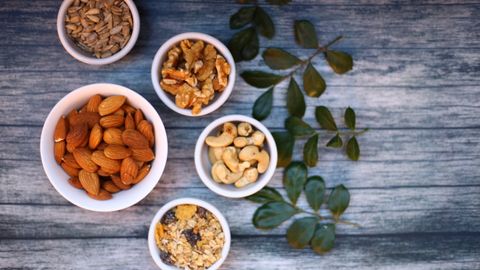
Nuts, particularly cashews.
Wholegrains, particularly wheat germ and oats.
Hemp seeds and sesame seeds.
Fortified breakfast cereals in some countries.
Note that these are also high-phytate foods, which is the tension. The answer is preparation rather than avoidance.
Improving absorption
The same measures as for iron, and they matter more here because there is no equivalent of the vitamin C effect.
Soaking, sprouting, fermenting and leavening, all of which reduce phytate content substantially.
Sourdough bread, tempeh, sprouted legumes and properly soaked beans all deliver more available zinc than their unprepared equivalents.
Certain organic acids from fruit and vegetables have a modest enhancing effect.
Not taking calcium supplements with meals, which can inhibit absorption.
Adaptation. There is evidence that absorption efficiency increases with habitually lower intake, which offsets some of the difference over time.
Deficiency
Frank zinc deficiency is uncommon in high-income countries and marginal status is more common.
Symptoms of deficiency: impaired immune function and frequent infections, slow wound healing, hair loss, skin problems, loss of taste and smell, poor appetite, and in children, impaired growth.
These are non-specific, and there is a practical problem with testing: plasma zinc is a poor marker of status, affected by inflammation, by recent meals and by other factors.
Which means diagnosis is frequently made on dietary assessment and clinical picture rather than on a blood test.
Who is at higher risk
People eating diets high in unrefined grains and legumes without the traditional preparation methods.
Pregnant and breastfeeding women, whose requirements are higher.
Adolescents during growth.
Older adults, where intake and absorption both decline.
People with malabsorption conditions.
Heavy alcohol consumers.
Athletes, who lose some zinc in sweat.
Supplementation, carefully
Zinc is one where the margin matters.
Modest supplementation — an amount around the recommended intake, as found in a multivitamin — is reasonable for anyone whose dietary intake is likely marginal.
High-dose zinc supplementation over time causes problems, principally copper deficiency, which produces anaemia and neurological damage.
Upper limits are set for exactly this reason, and they are considerably lower than the doses in some single-nutrient supplements marketed for immunity.
High-dose zinc also causes nausea, and taking it on an empty stomach reliably produces it.
The practical position: a modest amount in a multivitamin, or attention to dietary sources and preparation, rather than high-dose single supplements.
The zinc-for-colds question
Worth addressing since it drives a lot of supplementation.
Zinc lozenges taken within the first day or two of symptoms have some evidence for reducing cold duration, with the effect varying by formulation and dose.
This is a specific short-term use rather than a rationale for ongoing high-dose supplementation, and the doses used exceed those appropriate for daily use.
Nasal zinc preparations should be avoided — they have been associated with loss of the sense of smell.
The practical version
Eat pumpkin seeds regularly, which are the single most efficient source.
Include legumes and wholegrains daily, prepared using soaking or fermentation where practical.
Eat tempeh and sourdough, which are the fermented versions of otherwise high-phytate foods.
Consider a multivitamin containing a modest amount of zinc if intake is likely marginal.
Do not take high-dose zinc supplements ongoing.
General information rather than individual advice. Do not take high-dose zinc supplements without medical advice, as they can cause copper deficiency. Persistent frequent infections or poor wound healing warrant medical assessment.
Also by Dr. Farah Siddiqui
- Sustaining it for decadesTransition & Family
- Reintroducing foods, if you decide toTransition & Family
- Young athletes on plant-based dietsSport & Performance
- Protein requirements across a lifetimeProtein & Amino Acids