Meal Building
What A Serving Size On The Label Is Actually Based On
Serving sizes on American packages reflect standardized amounts people customarily eat, set by regulation rather than by the manufacturer or by nutritional recommendation.
Serving sizes on Nutrition Facts panels are widely read as portion advice. They are neither advice nor a manufacturer's choice.
Reference amounts customarily consumed
Federal regulation defines a reference amount for each food category, based on survey data about how much people actually eat at one sitting.
Manufacturers must set the labeled serving using that reference amount for their product's category. The figure describes typical consumption, not recommended consumption.
These reference amounts were updated to reflect changes in eating patterns since the original values were established, which is why some familiar serving sizes on packages grew.
Why the distinction matters
A serving of a calorie-dense snack is not an endorsement of eating that amount. Nor is a small serving a suggestion to eat less than one would.
The purpose is comparability. Two products in the same category carry the same serving basis, so their panels can be read side by side meaningfully.
Comparing across categories breaks that. A serving of nuts and a serving of soup describe entirely different quantities and were never meant to be equated.
Package size changes the rules
Packages holding somewhat more than a single reference amount but which people typically finish at once must be labeled as a single serving.
Larger containers that could reasonably be eaten in one sitting or several carry dual-column labels, showing both per serving and per package figures.
This addresses a long-standing complaint that multi-serving snack packages understated what a person actually consumed. The arithmetic is now printed rather than left to the reader.
Building meals around labeled units
Meal planning that treats a labeled serving as a portion produces plates that vary in size for no principled reason, since the categories are unrelated.
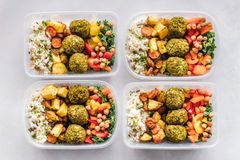
A more workable approach builds the plate from components and roles: a legume or soy component, a grain or starch, a vegetable volume, and a fat source.
The label then answers specific questions about a particular packaged item within that structure, rather than dictating how much of it belongs on the plate.
Where the panel genuinely helps
Comparing two brands of plant milk, tofu, bread or canned beans is exactly what standardized servings enable. Sodium in canned goods varies widely and is visible immediately.
Fortification differences also surface this way, since the panel shows what a product actually contributes rather than what the category typically does.
Foods with no package, which is most of a whole-food plant-based diet, generate no panel at all. That absence is a reminder that labels serve packaged decisions specifically.
Also by Owen Brannagh
- Eating plant-based where the shops are limitedTransition & Family
- Dinner formulas that work every timeMeal Building
- Cooking with almost no equipmentCooking Technique
- Iron-rich meals: putting the principles togetherMicronutrients