Meal Building
The cost question: eating well on a small budget
Plant-based eating can be the cheapest way to eat or one of the most expensive, depending entirely on what you buy.
The perception that plant-based eating is expensive comes from a particular version of it — packaged alternatives, specialist ingredients, and out-of-season produce.
The traditional version, built on legumes and grains, is among the cheapest ways to eat adequately.
The cheapest sources of nutrition
Dried legumes. By a very large margin the cheapest protein available, at a fraction of the cost per gram of protein of meat, cheese or packaged alternatives.
Buying dried rather than tinned reduces the cost substantially again.
Grains, bought in large bags. Rice, oats, pasta, flour.
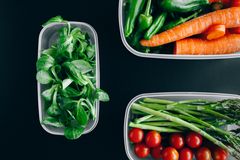
Frozen vegetables, which are cheaper than fresh, do not spoil, and are nutritionally comparable.
Seasonal vegetables, particularly the storing kinds — cabbage, carrots, onions, potatoes, squash.
Tinned tomatoes.
Peanuts and peanut butter, the cheapest nut by a wide margin.
Seeds, particularly sunflower and pumpkin, which are cheaper than nuts.
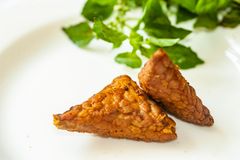
Tofu, which is generally cheap, particularly from Asian grocers.
A diet built on these is cheaper than almost any alternative and it is nutritionally sound.
Where the cost goes
Meat and dairy alternatives, which are frequently the most expensive items in a basket per gram of protein.
Out-of-season and imported produce.
Pre-prepared anything — washed leaves, chopped vegetables, cooked grains, prepared meals.
Speciality ingredients for particular recipes, bought once and used once.
Nuts, particularly cashews, almonds and pine nuts.
Superfood products, which are marketing.
Practical measures
Buy dried legumes and cook a batch weekly. The single biggest saving available.
Buy in bulk where you have storage. Rice, oats, lentils and flour in large bags cost substantially less per kilogram.
Where storage is limited, buying with someone and splitting works.
Shop at ethnic grocers. South Asian, Middle Eastern, Caribbean, African, East Asian and Eastern European shops sell legumes, grains, spices and vegetables at a fraction of supermarket prices, in larger quantities, with better range.
Spices in particular are dramatically cheaper — a supermarket jar versus a bag from an Asian grocer is frequently a difference of several times.
Buy frozen. Vegetables, and also frozen herbs, ginger and garlic.
Buy seasonal and local where you can, and accept that this means eating cabbage in February.
Use the reduced section and freeze what you buy.
Waste less. Household food waste is substantial, and reducing it is equivalent to a direct saving. Plan what you will actually eat, use what is in the fridge, and freeze what you will not get to.
The cheapest meals
Genuinely inexpensive and genuinely good.
Dal with rice. Red lentils, onion, spices, rice. Costs very little per serving and it is complete nutrition.
Bean stew with bread. Dried beans, tinned tomatoes, onion, garlic, whatever vegetable.
Pasta with beans and greens, olive oil and garlic.
Porridge with peanut butter and seeds.
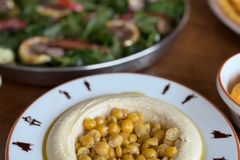
Chana masala, chickpeas with tomato and spices.
Vegetable and lentil soup with whatever is left in the fridge.
Fried rice with frozen peas, edamame and whatever is around.
The supplement cost
Worth accounting for honestly.
B12 costs very little — a year's supply is inexpensive. Vitamin D similarly.
Algal omega-3 is the most expensive of the standard recommendations.
Even together, the annual cost is modest relative to the food savings from replacing meat with legumes.
The equipment
Very little is needed.
One large pot, one pan, a knife and a board. That is genuinely sufficient.
Worth having if you can: a pressure cooker, which pays for itself quickly if you cook dried legumes regularly.
A blender or food processor for sauces and soups, which can be second-hand.
Eating well on very little
Where the budget is genuinely tight, the priorities:
Adequate energy first. Grains, potatoes, oil.
Protein from dried legumes.
Frozen and seasonal vegetables.
Fortified foods, which are frequently the cheapest route to micronutrients.
B12, which is inexpensive and essential.
Flavour from cheap sources: onions, garlic, spices bought in bulk, salt, oil, acid.
That is a nutritionally adequate diet at very low cost, and it is what a great deal of the world has always eaten.
General information rather than individual advice. Anyone experiencing food insecurity should contact local support services, which exist in most areas.
Also by Dr. Farah Siddiqui
- Sustaining it for decadesTransition & Family
- Reintroducing foods, if you decide toTransition & Family
- Young athletes on plant-based dietsSport & Performance
- Protein requirements across a lifetimeProtein & Amino Acids