Meal Building
The Structural Problem With Sandwiches
Plant-based sandwich fillings are wetter and less cohesive than the ingredients bread was designed around, which is why they collapse and how the structure can be fixed.
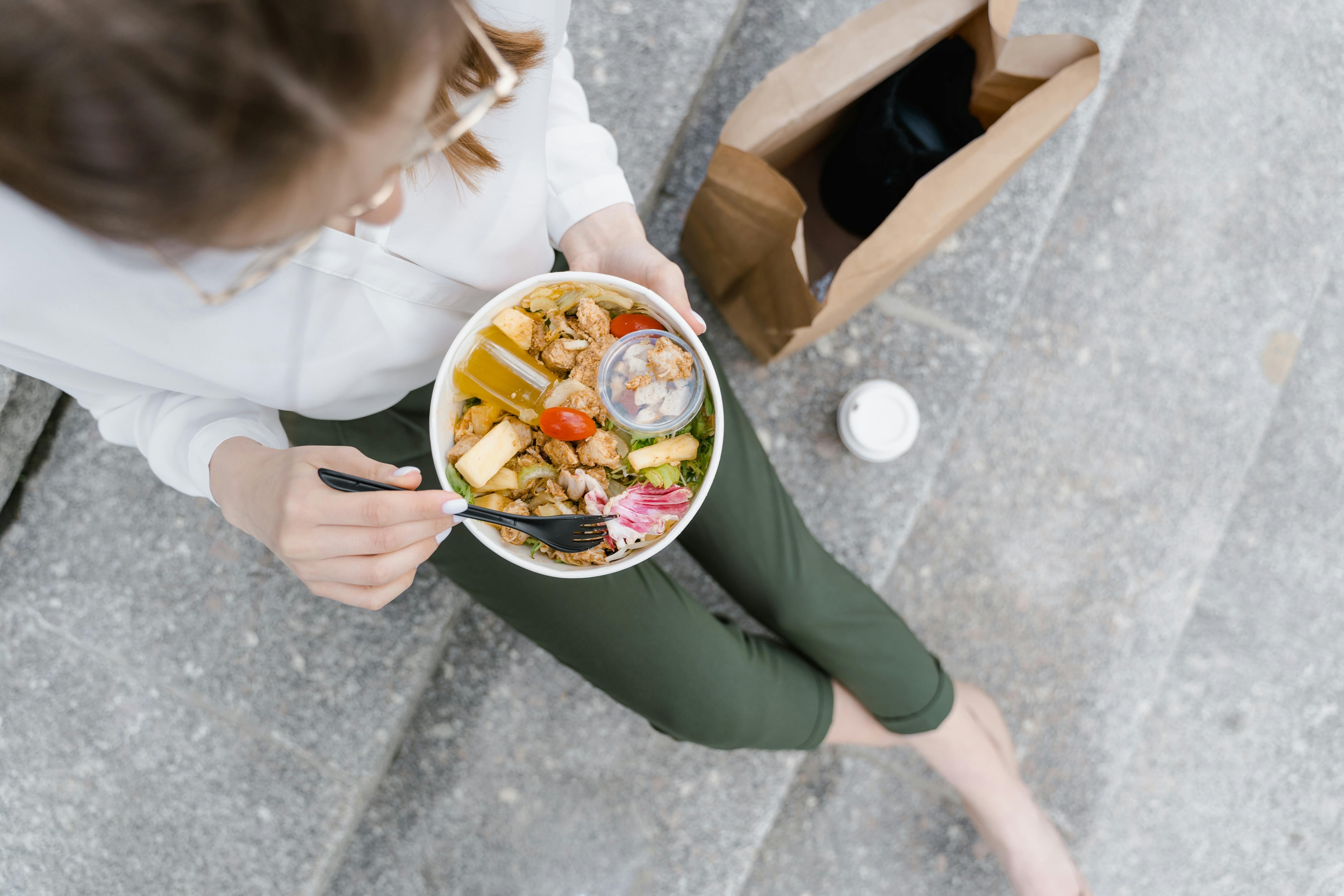
A sandwich is a structure that has to survive being held. Plant-based fillings challenge that structure in ways that are predictable and correctable.
Bread fails through moisture, not weight
Bread loses integrity when its starch matrix absorbs water. Even a small amount of liquid at the contact surface softens it within minutes.
Vegetable fillings release water continuously, and salted or dressed ones release it faster. Tomatoes and cucumbers are the worst offenders in ordinary sandwiches.
Weight is rarely the problem. A dense filling on sturdy bread holds fine; a wet one on soft bread does not, regardless of how little there is.
Barrier layers are the standard solution
A fat-based spread applied edge to edge on both slices creates a water-resistant layer. This is the structural reason mayonnaise and butter appear in traditional sandwich construction.
Plant-based equivalents work identically: hummus, tahini, avocado, nut butter or an oil-based spread all repel moisture at the bread surface.
Leaf layers add a second barrier. Placing lettuce or greens directly against the bread keeps wetter ingredients from touching it.
Cohesion is the other missing property
Sliced fillings hold together partly through their own structure. Plant fillings are often crumbly, sliced thin, or composed of loose components that slide apart.
A binding element addresses this, whether a thick spread, a mashed legume layer or a component that sets when chilled. The filling becomes one mass rather than several.
Cutting against the grain of the structure, and pressing the assembled sandwich briefly, helps components settle into contact rather than shifting under a bite.
Nutritional structure inside the same problem
Sandwiches built only from vegetables and bread supply carbohydrate and fiber with little protein, which is the common reason they fail to hold satiety.
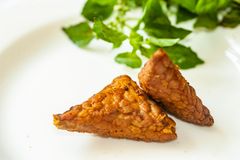
Legume spreads, baked tofu, tempeh, seitan slices and nut butters supply that component while also contributing to cohesion. The structural and nutritional fixes overlap.
Whole grain bread contributes protein, fiber and minerals in a way refined bread does not, and its firmer crumb resists moisture better as well.
Sandwiches made hours ahead
Assembling wet components separately and adding them at eating time is the most reliable approach, though it requires carrying containers.
Where that is impractical, drier fillings hold best: roasted vegetables cooked until their moisture has largely evaporated, firm baked tofu, or pressed legume spreads.
Freezing assembled sandwiches works only with fillings that survive it. Spreads and firm proteins do; fresh vegetables and leaves collapse entirely on thawing.
Also by Owen Brannagh
- Eating plant-based where the shops are limitedTransition & Family
- Dinner formulas that work every timeMeal Building
- Cooking with almost no equipmentCooking Technique
- Iron-rich meals: putting the principles togetherMicronutrients