Meal Building
The Shopping List As A Meal Plan
A list organised by component rather than by recipe produces more possible meals from the same purchases and survives the days a plan does not.
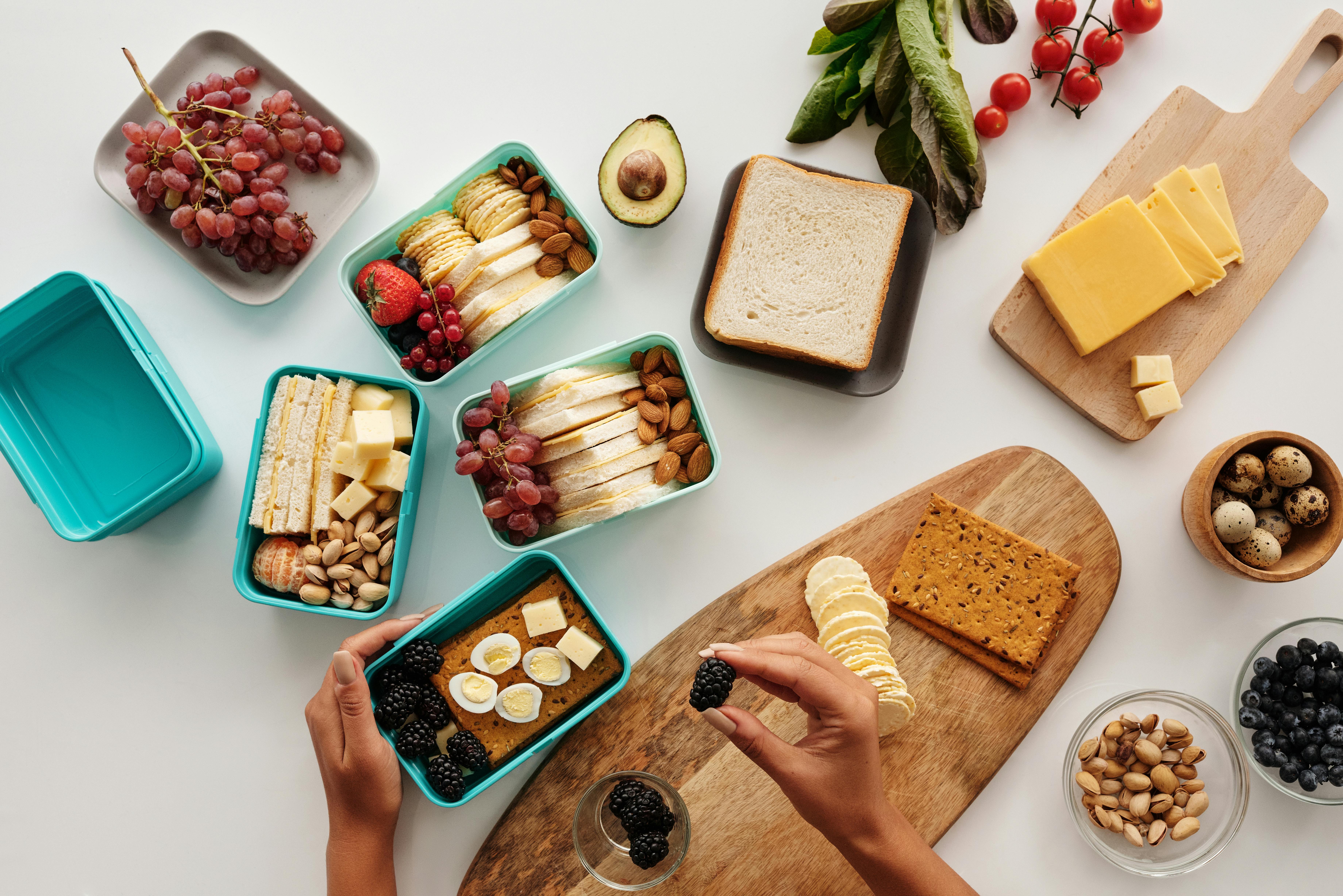
Meal planning usually means choosing dishes and listing their ingredients. Organising the list by role instead produces a week with more flexibility and less waste from the same shopping.
Why recipe-derived lists are brittle
A list built from five recipes is really five separate lists, each of which must be complete for its meal to happen.
Ingredients bought for one dish tend to be used once, leaving partial packets that expire before another use arises. This is where a large share of household food waste originates.
The plan also assumes the week goes as expected. A late evening or an unplanned meal out breaks one link, and the ingredients for that link decay.
Building the list by role instead
Every meal is assembled from a small number of roles: a protein base, a starch, vegetables, a fat, an acid and something aromatic.
Shopping to fill those roles rather than those recipes means every purchase can participate in several possible meals rather than exactly one.
The list then reads as quantities of categories, with specific choices made in the shop according to what is good and what is cheap.
Sequencing perishability
Fresh produce has very different lifespans, and a week works better when the order of use follows them rather than following a fixed schedule.
- First few days: soft leaves, herbs, mushrooms, berries, courgette
- Mid-week: broccoli, peppers, tomatoes, citrus
- Late week: cabbage, carrots, roots, squash, onions
- Any time: frozen vegetables, pulses, grains
Planning the delicate items early and the robust ones late means nothing needs rescuing on Friday, and the late-week meals are the pantry-based ones anyway.
Quantity as the harder question
Under-buying protein sources is the common error, because pulses and tofu are cheap enough that people buy them casually rather than to a target.
A useful check is whether the shopping contains a substantial protein component for every main meal of the week, counted rather than assumed.
Over-buying fresh vegetables is the other side of the same error, and the correction is to shift some of that volume to frozen, which waits.
What the list stops being
Once the list is component-based, the plan stops specifying what is eaten on which day, which is the part most likely to fail anyway.
Decisions move to the evening, when the actual circumstances are known, and the shopping has already ensured that whatever is decided is possible.
The trade-off is that it requires knowing a few meal structures well enough to improvise within them, which is a skill built over weeks rather than a technique adopted at once.
Also by Owen Brannagh
- Eating plant-based where the shops are limitedTransition & Family
- Dinner formulas that work every timeMeal Building
- Cooking with almost no equipmentCooking Technique
- Iron-rich meals: putting the principles togetherMicronutrients