Meal Building
Reading A Recipe For Structure Rather Than Ingredients
Most recipes are one of a small number of structures wearing different ingredients, and recognising the structure is what allows cooking without a recipe.

Cooks who improvise are not remembering more recipes. They are recognising that most recipes are variations on a small set of structures, and working from the structure instead.
What a structure consists of
A structure is the sequence of operations and the roles the ingredients play, independent of which specific ingredients fill those roles.
A braise, for example, is aromatics softened in fat, a main ingredient added, liquid to partial depth, and long gentle heat until tender.
Whether that main ingredient is chickpeas, jackfruit or root vegetables changes the timing and the seasoning but not the structure at all.
Reading a recipe twice
The first reading is for the ingredients, which is how most people read a recipe and where most people stop.
The second reading asks what each step is for: is this step building flavour, softening tissue, thickening liquid, or adjusting seasoning?
Once each step has an identified purpose, substitutions become obvious. Anything that serves the same purpose can occupy the same slot.
The handful of structures worth knowing
A small number cover most plant-based weeknight cooking, and each accepts a wide range of ingredients.
- Soften aromatics, add pulse and liquid, simmer: the stew and dal family
- Dry high heat with fat: roasting and the tray bake
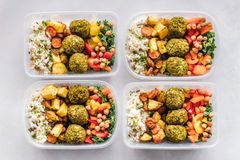
- Cook a grain, top with something roasted, add sauce: the bowl
- Fast heat, small pieces, sauce added late: the stir-fry
- Cold assembly with an emulsified dressing: salads and slaws
Each structure has its own failure mode, which is worth learning alongside it. Stews go flat without acid; tray bakes go soggy when crowded.
Where recipes still earn their place
Baking is the clearest exception, since ratios of flour, liquid, fat and leavening determine the chemistry and small deviations produce different results.
Unfamiliar cuisines are another, because the structures exist but the reader has not yet internalised which flavours belong together within them.
Techniques with a narrow margin, such as tempering chocolate or making seitan with a specific texture, also reward following instructions exactly.
How this changes shopping
Someone cooking from structures buys components rather than recipe lists: pulses, a grain, vegetables in season, and the aromatics and acids that season them.
That inventory supports many meals rather than one, which reduces both waste and the number of decisions required on a weekday evening.
It also removes the common failure of a shopping list built from five recipes, where a single missing item stops a meal that could easily have absorbed the substitution.
Also by Owen Brannagh
- Eating plant-based where the shops are limitedTransition & Family
- Dinner formulas that work every timeMeal Building
- Cooking with almost no equipmentCooking Technique
- Iron-rich meals: putting the principles togetherMicronutrients