Protein & Amino Acids
Getting enough protein when you cannot eat soy
Soy does a great deal of work in plant-based diets, and removing it — for allergy, for thyroid reasons, or for preference — requires a plan.
Soy is the densest and most complete plant protein, and it is a common allergen, it is excluded by some people for other reasons, and it is not available everywhere.
Meeting protein requirements without it is entirely possible and requires more deliberate planning.
Why soy is doing so much work
Its amino acid profile is close to human requirements across the board, unlike most plant proteins which have a limiting amino acid.
Its protein density is high — tofu, tempeh and textured soy protein all deliver substantially more protein per hundred grams than legumes or grains.
And soy milk is the only common plant milk with protein comparable to dairy.
Removing it removes the easiest route to a high protein intake.
The alternatives, by density
Seitan, made from wheat gluten, around twenty-five grams per hundred. The densest non-soy plant protein available.
Not suitable for anyone with coeliac disease or gluten sensitivity, and low in lysine, so it needs pairing with legumes across the day.
Home-made is cheap and straightforward — vital wheat gluten, water, seasoning, kneaded and simmered.
Legumes, around seven to nine grams per hundred cooked. The foundation without soy.
The practical implication: substantially larger portions. A whole tin rather than half.
Lupin, very high in protein and available in some markets as flour or prepared beans. Note that lupin is itself an allergen and cross-reacts with peanut in some people.
Pea protein, as a powder or in products, which is the main commercial non-soy alternative.
Nuts and seeds, fifteen to twenty-five grams per hundred, and energy dense, so portions are smaller.
Hemp seeds are notably good — high protein with a complete amino acid profile.
Quinoa and buckwheat, which have better amino acid profiles than most grains and moderate protein content.
Pea milk, where available, which has protein comparable to soy milk.
Nutritional yeast, surprisingly high in protein and used in small quantities, so a modest contributor.
The amino acid consideration
Without soy, the amino acid profile question becomes more relevant, though still manageable.
The principle: legumes are lysine-rich and methionine-poor; grains, nuts and seeds are the reverse.
Eating both across the day covers it. Not at each meal — across the day.
The practical version: legumes daily, alongside grains, nuts and seeds. Which is what most traditional plant-based diets look like anyway.
Quinoa, buckwheat, hemp and amaranth all have relatively balanced profiles and are useful additions.
A day without soy
Targeting around a hundred grams:
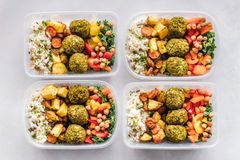
Breakfast: porridge made with pea milk, with peanut butter, hemp seeds and pumpkin seeds. Around 25 grams.
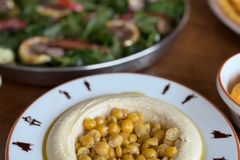
Lunch: a large lentil and chickpea salad with tahini, plus wholemeal bread. Around 30 grams.
Dinner: seitan or a substantial bean stew with quinoa. Around 35 grams.
Snack: nuts, or a pea protein shake. Around 15 grams.
Achievable, with larger portions of legumes than most people are used to.
The soy avoidance reasons, examined
Allergy. A genuine medical reason. Soy is a common allergen, particularly in children, and avoidance is necessary.
Note that soy appears in a great many processed foods, including as soy lecithin, which most people with soy allergy tolerate but which should be discussed with an allergist.
Thyroid concerns. Soy may affect thyroid function in the context of iodine deficiency, and in people taking thyroid medication soy can affect absorption.
The practical answer for the latter is timing — separate thyroid medication from soy by several hours — rather than avoidance. Discuss with your prescriber.
For people with adequate iodine and normal thyroid function, the evidence does not support avoidance.
Hormonal concerns. Extensively reviewed and not supported at dietary intakes. Reviews have not found effects on testosterone in men or adverse effects in women, and cancer organisations do not advise avoidance including for breast cancer survivors.
Anyone avoiding soy on this basis is doing so on weaker evidence than they probably realise.
Environmental concerns. Worth noting that the large majority of soy production goes to animal feed rather than to human food. Soy eaten directly is a small fraction of demand.
Preference, which requires no justification.
The practical challenges
Volume. Without soy, hitting a high protein target means eating more food, which is a real constraint for anyone with a limited appetite or high requirements.
Protein powder becomes more useful in this situation.
Convenience products. Most plant-based ready meals and alternatives contain soy, which limits the options considerably.
Eating out, where soy is frequently the only plant protein available.
Calcium, since fortified soy milk is the standard source. Fortified alternatives exist and need checking.
If avoiding soy and gluten
The hardest combination, since it removes both soy and seitan.
The remaining sources: legumes, nuts, seeds, quinoa, buckwheat, amaranth, and pea or hemp protein powders.
Achievable and it requires planning, larger legume portions, and probably a protein supplement.
Worth working through with a dietitian.
General information rather than individual advice. Anyone with a diagnosed allergy or thyroid condition should consult a dietitian or their doctor. Do not avoid a food group unnecessarily.
Also by Dr. Farah Siddiqui
- Sustaining it for decadesTransition & Family
- Reintroducing foods, if you decide toTransition & Family
- Young athletes on plant-based dietsSport & Performance
- Protein requirements across a lifetimeProtein & Amino Acids