Protein & Amino Acids
Protein for older adults on a plant-based diet
Requirements rise with age while appetite falls, which makes this the group where protein genuinely needs attention rather than reassurance.
The protein question is generally overstated for young healthy adults and genuinely important for older ones.
Why requirements rise
Anabolic resistance. The muscle protein synthesis response to a given dose of protein is blunted with age. A dose that produces a full response in a young adult produces a partial one in an older adult.
The practical consequence is that both total intake and per-meal dose need to be higher.
Sarcopenia. Age-related loss of muscle mass and strength begins in midlife and accelerates. It is a major contributor to frailty, falls, loss of independence and mortality.
Adequate protein and resistance training are the two interventions that address it.
Reduced intake. Appetite declines with age, taste and smell change, dental problems affect what can be eaten, and social factors — eating alone, reduced cooking — all reduce intake.
The recommendations
Various expert groups have proposed intakes above the general recommendation for older adults, commonly in the region of 1.0 to 1.2 grams per kilogram per day for healthy older adults, and higher for those who are ill or who are doing resistance training.
Per meal, something in the region of 25 to 30 grams appears necessary to produce a full synthesis response in older adults, compared with a lower threshold in younger people.
For plant protein, the upper end of these ranges is reasonable.
The practical difficulty
Hitting 30 grams of plant protein per meal, three times a day, with a reduced appetite, is genuinely difficult.
The strategies that work:
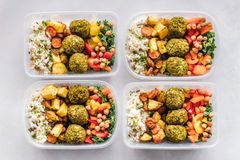
Prioritise dense sources. Tofu, tempeh, soy milk and legumes rather than relying on grains and vegetables.
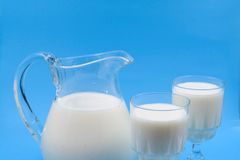
Soy milk everywhere. In porridge, in tea, in coffee, in soup, as a drink. Around three grams per hundred millilitres, and it goes into things without requiring an appetite.
Fortified and protein-enriched products, which have a genuine role here.
Protein powder, in a smoothie or added to porridge or soup. This is the population for whom it is most clearly useful.
Smaller, more frequent meals rather than three large ones, since appetite is the constraint.
Energy density. Nut butters, oils, avocado. Older adults who are underweight or losing weight need energy as much as protein.
Resistance training, which is half the answer
Protein without loading does not preserve muscle.
The evidence for resistance training in older adults is substantial: strength and muscle mass increase in people well into their ninth decade, functional capacity improves, and fall risk falls.
Progressive loading against resistance, twice a week, is the intervention. Gentle movement is beneficial and it is not sufficient for muscle.
Combined with adequate protein, this is what addresses sarcopenia. Neither alone does much.
The other nutrients that matter more with age
Vitamin B12. Absorption declines with age because of reduced stomach acid, which affects everyone, not only those on plant-based diets.
Deficiency is common in older adults generally and it causes neurological damage that may not fully reverse. Supplement.
Vitamin D, where skin synthesis declines with age and where deficiency affects muscle function and falls as well as bone.
Calcium, for bone.
Iron, where deficiency in older adults sometimes reflects gastrointestinal blood loss and should be investigated rather than simply supplemented.
This is an important point: unexplained iron deficiency anaemia in an older adult warrants investigation, since it can indicate a serious underlying cause.
Fluid, where thirst perception declines and dehydration is a common and consequential problem.
Fibre, where constipation is common, alongside adequate fluid.
The practical day
For an older adult targeting around 80 to 90 grams:
Breakfast: porridge made with soy milk, with nut butter and seeds. Around 20 grams.
Lunch: lentil soup with bread and a glass of soy milk. Around 25 grams.
Dinner: tofu or bean stew with potatoes. Around 30 grams.
Snack: soy yoghurt, or a milky drink. Around 10 grams.
Achievable with modest portions if the sources are chosen deliberately.
When to be concerned
Unintentional weight loss in an older adult is a warning sign requiring medical assessment. It is not a normal feature of ageing.
So is reduced appetite that persists, difficulty swallowing, and a change in how food tastes.
Practical barriers are worth addressing directly: dental problems, ill-fitting dentures, difficulty shopping or cooking, and eating alone, which is associated with lower intake.
Many of these are fixable and are frequently not raised because they seem trivial.
For families
The most useful things: regular contact around meals, help with shopping and preparation, meals delivered or eaten together, and noticing weight loss early.
Weighing regularly, monthly, catches a problem well before it becomes visible.
General information rather than individual advice. Unintentional weight loss, persistent poor appetite or difficulty swallowing in an older adult requires medical assessment. Iron deficiency in older adults should be investigated rather than only supplemented.
Also by Dr. Farah Siddiqui
- Sustaining it for decadesTransition & Family
- Reintroducing foods, if you decide toTransition & Family
- Young athletes on plant-based dietsSport & Performance
- Protein requirements across a lifetimeProtein & Amino Acids