Protein & Amino Acids
Building muscle on plants
The research comparing plant and animal protein for muscle gain has produced clearer answers than the argument around it suggests.
The question is whether plant protein supports muscle gain as effectively as animal protein, and the research is now reasonably informative.
What the trials show
Several randomised trials have compared plant protein supplementation with whey or dairy protein during resistance training programmes, with total protein matched.
The general finding is comparable outcomes for strength and lean mass gain when total protein intake is adequate.
Studies comparing soy with whey, pea with whey, and rice protein with whey have generally found similar results, with some finding small advantages for animal protein and several finding none.
Observational work comparing habitual plant-based and omnivorous diets in trained individuals has also generally found similar outcomes when protein intake is matched.
The qualifier — when total protein is adequate — is doing real work in all of this.
The mechanistic concerns, and their scale
Three are raised, and all are real and modest.
Lower leucine content. Leucine appears to act as a trigger for muscle protein synthesis, and plant proteins generally contain somewhat less per gram than animal proteins.
Practically addressed by a slightly larger dose, which achieves the same leucine content.
Lower digestibility. Fibre and antinutrients reduce absorption somewhat. Processing, cooking and using isolates all improve it.
Amino acid profile. Individual sources have limiting amino acids, addressed by variety.
The practical response to all three is the same: eat somewhat more, spread across the day, from varied sources.
The numbers
For resistance training, sports nutrition bodies commonly recommend 1.6 to 2.2 grams of protein per kilogram of body weight per day.
For plant-based athletes, the upper end of that range is reasonable, given the considerations above.
For a seventy-kilogram person, that is around 120 to 155 grams a day, which requires deliberate planning on a plant-based diet.
Per meal, something in the region of thirty to forty grams, four times a day.
How to actually hit it
The arithmetic is the challenge rather than the biology.
Soy foods do the heavy lifting. Tofu, tempeh, edamame, soy milk and textured soy protein are the densest plant sources and the most complete.
A block of firm tofu is around thirty grams. A hundred grams of tempeh is around twenty. A litre of soy milk is around thirty to thirty-five.
Seitan is the densest of all at around twenty-five grams per hundred, for anyone eating gluten.
Legumes at every meal. A tin is around fifteen grams.
Protein powder to close the gap. This is where it earns its place — hitting 150 grams from whole plant food alone means eating a very large volume.
One or two servings a day is a reasonable use.
Soy milk rather than other plant milks, which are considerably lower in protein. Almond milk contains almost none.
Higher-protein grains — quinoa, buckwheat, whole wheat pasta — contributing more than rice.
A day that works
For a seventy-kilogram athlete targeting around 140 grams:
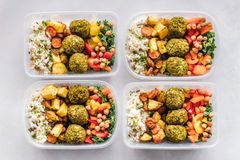
Breakfast: oats with soy milk, protein powder and peanut butter. Around 40 grams.
Lunch: lentil and chickpea salad with tahini dressing and bread. Around 30 grams.
Post-training: soy milk and fruit smoothie with protein powder. Around 30 grams.
Dinner: tofu with rice and vegetables. Around 35 grams.
Before bed: soy yoghurt or a glass of soy milk. Around 10 grams.
That reaches the target without anything unusual.
Creatine, again
Worth repeating because it is the most consequential supplement for this population.
Creatine occurs almost exclusively in animal foods. Plant-based individuals have lower muscle creatine stores, and studies consistently find larger responses to supplementation in this group.
Three to five grams daily of creatine monohydrate. Cheap, safe, and among the best-evidenced supplements available.
If you eat no animal products and do resistance training, this is the one to take.
What matters more than protein source
Worth stating plainly.
Training. Progressive overload, sufficient volume, consistency over years. This dominates everything.
Total energy. Muscle gain requires a surplus, and plant-based diets make surpluses harder to achieve because of energy density.
The most common reason plant-based lifters do not gain is that they are not in a surplus, not that their protein is inferior.
Total protein, hit consistently.
Sleep.
The protein source question is at the margin. If you are training well, eating enough total energy, and hitting your protein target, the source is a small consideration.
The honest summary
Plant protein supports muscle gain. It requires eating somewhat more of it, from varied sources including soy, spread across the day.
The practical difficulty is volume and the surplus, not quality.
And anyone claiming that plant-based athletes cannot build muscle is contradicted by both the trial evidence and by a reasonable number of people who have done it.
General information rather than individual advice. Athletes should work with a sports dietitian for individualised planning.
Also by Yuki Nakamura
- Eating for injury recoverySport & Performance
- Tracking your intake, briefly and usefullyProtein & Amino Acids
- Travelling and eating well away from homeSport & Performance
- Protein timing: what matters and what does notProtein & Amino Acids