Meal Building
Making A Salad Substantial Enough To Be Dinner
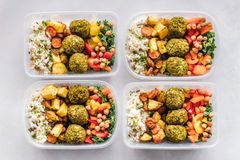
A salad becomes a meal when it carries a protein component, a cooked starch, a fat source and something warm, rather than by simply becoming larger.
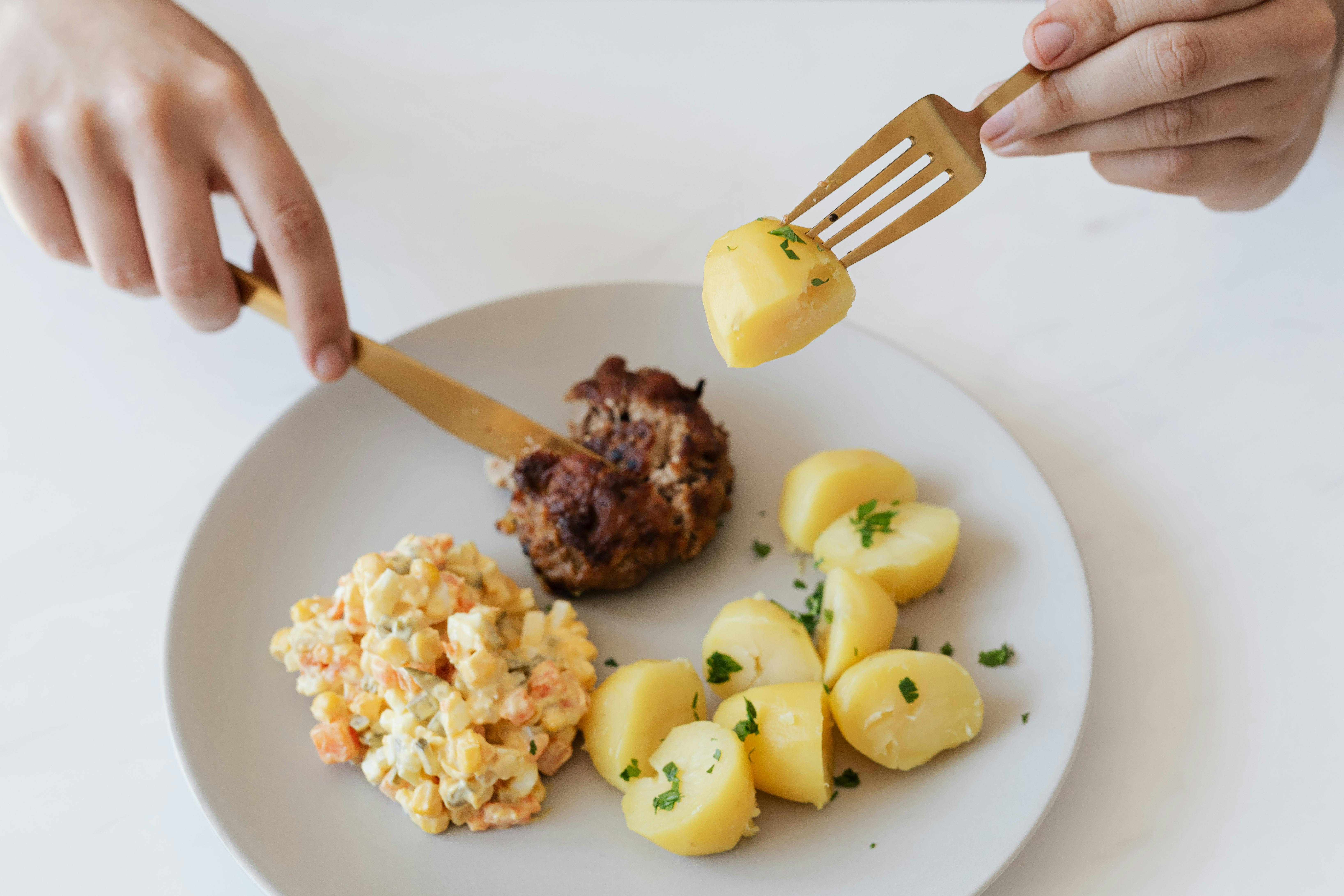
Salad as a main course fails most often not from lack of size but from lack of structure. Adding volume to raw vegetables does not produce a meal.
Raw vegetables carry little energy
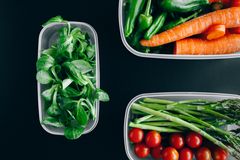
Leafy greens and most raw vegetables are mostly water and fiber, which is why an enormous bowl can still leave someone hungry an hour later.
Fiber and water do contribute to fullness through stomach distension, but that signal fades quickly compared with the slower signals from protein and fat.
Scaling the greens therefore reaches a limit fast. The bowl becomes unwieldy long before it becomes satisfying.
The four components that change it
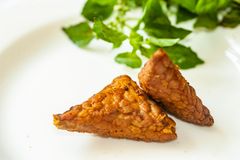
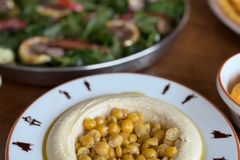
A protein component does the most work: cooked lentils, chickpeas, baked tofu, tempeh or edamame. This is what distinguishes a main-course salad from a side.
A cooked starch supplies sustained energy and body. Farro, quinoa, roasted potatoes, sweet potato or cooled pasta all serve, and cooling some starches changes their digestion.
Fat carries flavor and slows gastric emptying. Nuts, seeds, avocado, olives or a proper oil-based dressing all qualify, and dressings do more than season.
Temperature contrast matters more than expected
A wholly cold bowl reads as light regardless of its contents. Adding one warm element, roasted vegetables or freshly cooked grains, shifts perception toward a meal.
Warm components also wilt the greens slightly on contact, which softens the raw texture and integrates the bowl rather than leaving it as separate piles.
This is why grain bowls feel substantial while composed salads of the same ingredients often do not. The difference is largely thermal.
Dressing is a structural element
Acid brightens and fat coats, but the dressing also determines whether the components taste like one dish. An underdressed bowl tastes like its parts.
Dressing the sturdy components first, and the delicate leaves last, prevents the common result of soggy greens beneath a dry top layer.
Creamy dressings built on tahini, cashews or silken tofu add both fat and protein, which makes the dressing part of the nutritional structure rather than a garnish.
Assembly order for salads made ahead
Salads packed in advance separate well when dense, dressed components sit at the bottom and greens rest on top, out of contact with the liquid.
Ingredients that release water, such as cucumber and tomato, belong away from anything meant to stay crisp. Salting them separately draws that water out first.
Nuts, seeds and anything crunchy go in at the last moment. Texture contrast is the element that degrades fastest and is most missed when it is gone.
Also by Owen Brannagh
- Eating plant-based where the shops are limitedTransition & Family
- Dinner formulas that work every timeMeal Building
- Cooking with almost no equipmentCooking Technique
- Iron-rich meals: putting the principles togetherMicronutrients