Meal Building
How Texture Contrast Makes A Bowl Work
Meals built from uniformly soft components register as monotonous regardless of seasoning, and adding a crisp or chewy element changes the whole experience.
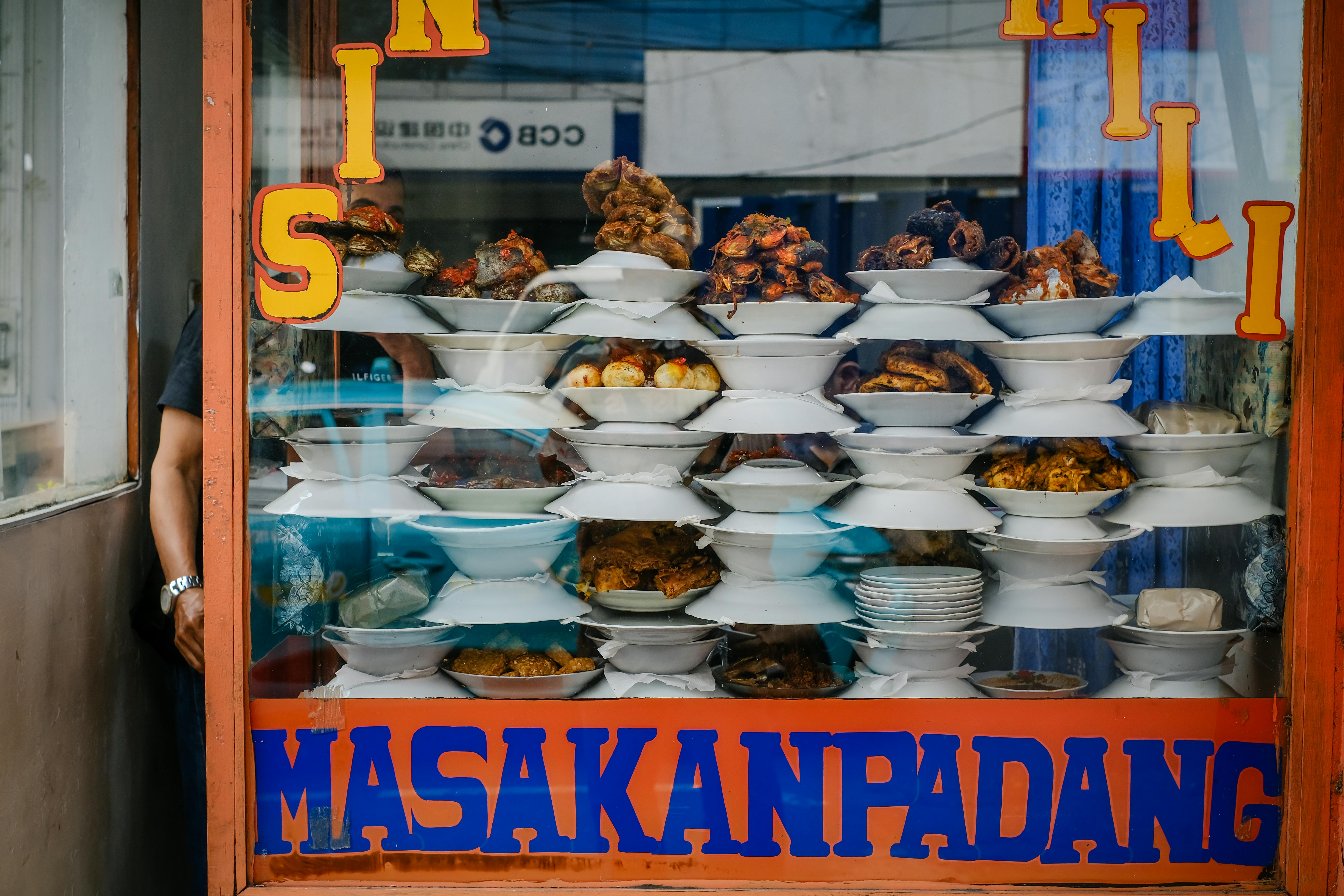
A grain bowl with good ingredients and correct seasoning can still be tedious to eat. The usual cause is that every component has the same texture, and the fix takes one addition.
Why texture registers so strongly
Eating is a sequence of physical events, and the mouth is sensitive to changes in resistance, moisture and sound as well as to taste.
Repeated identical input produces sensory adaptation. The tenth spoonful of a uniform dish delivers less signal than the first, and interest declines even when flavour has not.
Contrast interrupts that adaptation. A crisp element between soft mouthfuls resets attention and makes the soft element register again.
The default plant-based failure
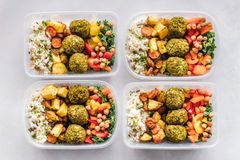
Cooked pulses, cooked grains, roasted vegetables and a sauce are all soft. A bowl assembled from those four is textureless by construction.
This is a specific hazard of plant-based cooking because so many staple preparations involve softening something in moisture.
The equivalent problem appears in soups and stews, which are why toppings became conventional in the cuisines that rely on them most.
What can supply the contrast
The addition needs to be structurally different rather than merely a different ingredient.
- Toasted nuts and seeds, whole rather than ground
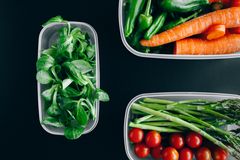
- Raw vegetables cut thin: cabbage, radish, cucumber, fennel
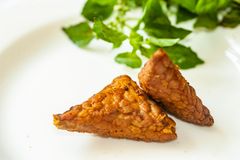
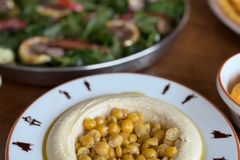
- Fried or crisped elements: shallots, chickpeas, breadcrumbs, tofu with a dry surface
- Pickles, which supply acidity and crunch together
- Fresh herbs in quantity, which are both texture and aroma
Two of these in one bowl is usually plenty. Beyond that the contrast itself becomes the uniform state.
Keeping crisp things crisp
Crispness depends on low moisture in the surface layer, and it is lost as soon as water moves in from a sauce or a hot component.
This is why crisp elements go on at the table rather than during assembly, and why packed lunches need them stored separately.
Fat provides some protection by slowing water migration, which is part of why fried elements hold their texture longer than dry-toasted ones.
Temperature as a second axis
The same principle applies to temperature. A cold, sharp element against a warm base produces contrast even where textures are similar.
Yoghurt-style dressings, quick-pickled onion and raw salsa all work partly through this route rather than through flavour alone.
Building a meal with deliberate variation along both axes is what separates a composed bowl from a pile of correctly cooked components.
Also by Owen Brannagh
- Eating plant-based where the shops are limitedTransition & Family
- Dinner formulas that work every timeMeal Building
- Cooking with almost no equipmentCooking Technique
- Iron-rich meals: putting the principles togetherMicronutrients