Meal Building
Designing A Week Around One Long-Cooked Component
Anchoring several meals to a single slow-cooked base spreads the effort of the longest cooking step while keeping the finished dishes distinct from each other.
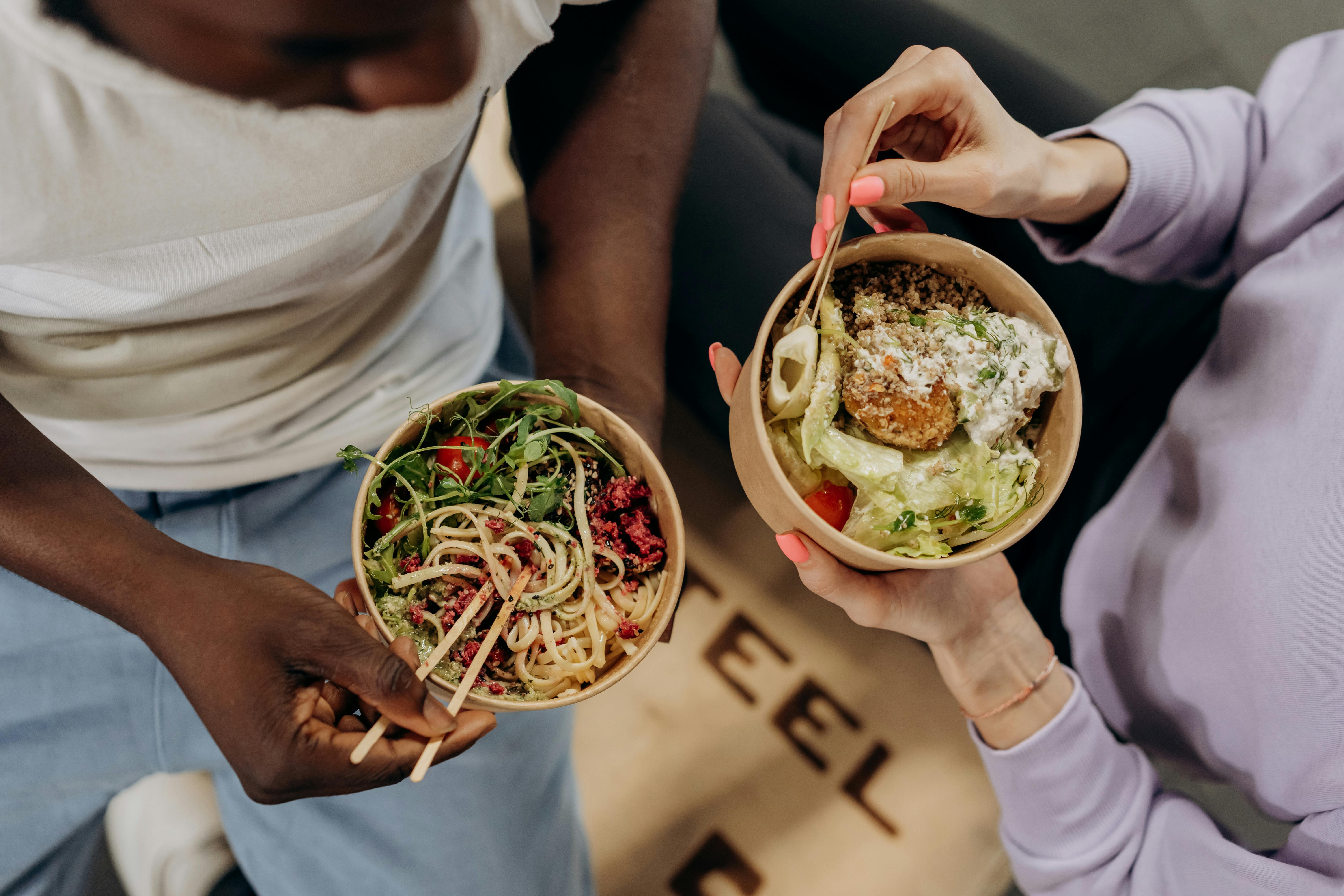
The most time-consuming element of a plant-centered meal is usually the one that cooks longest. Building a week around a single such component changes the arithmetic of cooking.
The long step is the bottleneck
Dried beans, whole grains, braised greens, roasted squash and slow-cooked tomato bases all take substantially longer than anything assembled around them.
Those steps also scale almost freely. A pot holding three times the beans takes no longer than a pot holding one portion, since the limit is heat and time rather than volume.
The remaining work, dressing, seasoning, quick vegetables and finishing, is fast and does not scale well. It is better done fresh at each meal.
Why the anchor should be under-seasoned
A base cooked with a definite flavor profile can only become one kind of dish. Beans cooked with cumin and chili are committed before the week starts.
Cooking the anchor simply, with aromatics and salt but little else, leaves the direction open. Flavor is added at the point of assembly instead.
This is the difference between batch cooking a component and batch cooking a meal. The former resists monotony structurally; the latter guarantees it.
Divergence comes from the fast elements
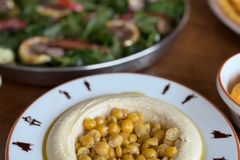
The same pot of white beans becomes a brothy soup with greens, a mashed spread with lemon and tahini, a tomato-braised skillet, or a cold salad with herbs and vinegar.
Each of those differs in temperature, texture, acidity and fat, which is what perception of difference actually depends on. The shared ingredient recedes.
Changing the accompanying starch amplifies the effect further. Bread, rice, tortillas and pasta reframe the same base as entirely different meals.
Storage sets the practical limits
Cooked legumes and grains keep several days refrigerated and considerably longer frozen. Storing legumes in their cooking liquid preserves texture better than draining them.
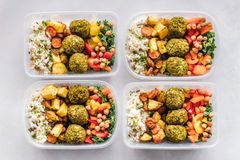
Portioning into meal-sized containers before chilling avoids repeatedly warming the whole batch, which degrades texture and shortens the usable window.
Food safety favors cooling quickly in shallow containers rather than leaving a large pot to cool on the counter, since the center of a deep pot stays warm for hours.
Choosing which anchor to cook
Legumes are the most flexible anchor because they carry protein and adapt across cuisines. Grains work similarly but contribute less to the nutritional structure of a meal.
Roasted vegetables have a shorter useful life, softening noticeably by the third day. They suit the front half of a week rather than the whole of it.
Two anchors, one legume and one grain, cover most of a week's meals without either dominating. The cooking happens once and the decisions happen daily.
Also by Owen Brannagh
- Eating plant-based where the shops are limitedTransition & Family
- Dinner formulas that work every timeMeal Building
- Cooking with almost no equipmentCooking Technique
- Iron-rich meals: putting the principles togetherMicronutrients