Meal Building
Cooking For One Without Constant Waste
Single-person cooking wastes food because ingredients are sold in multi-serving units, and the fix is choosing components that keep rather than cooking smaller portions.
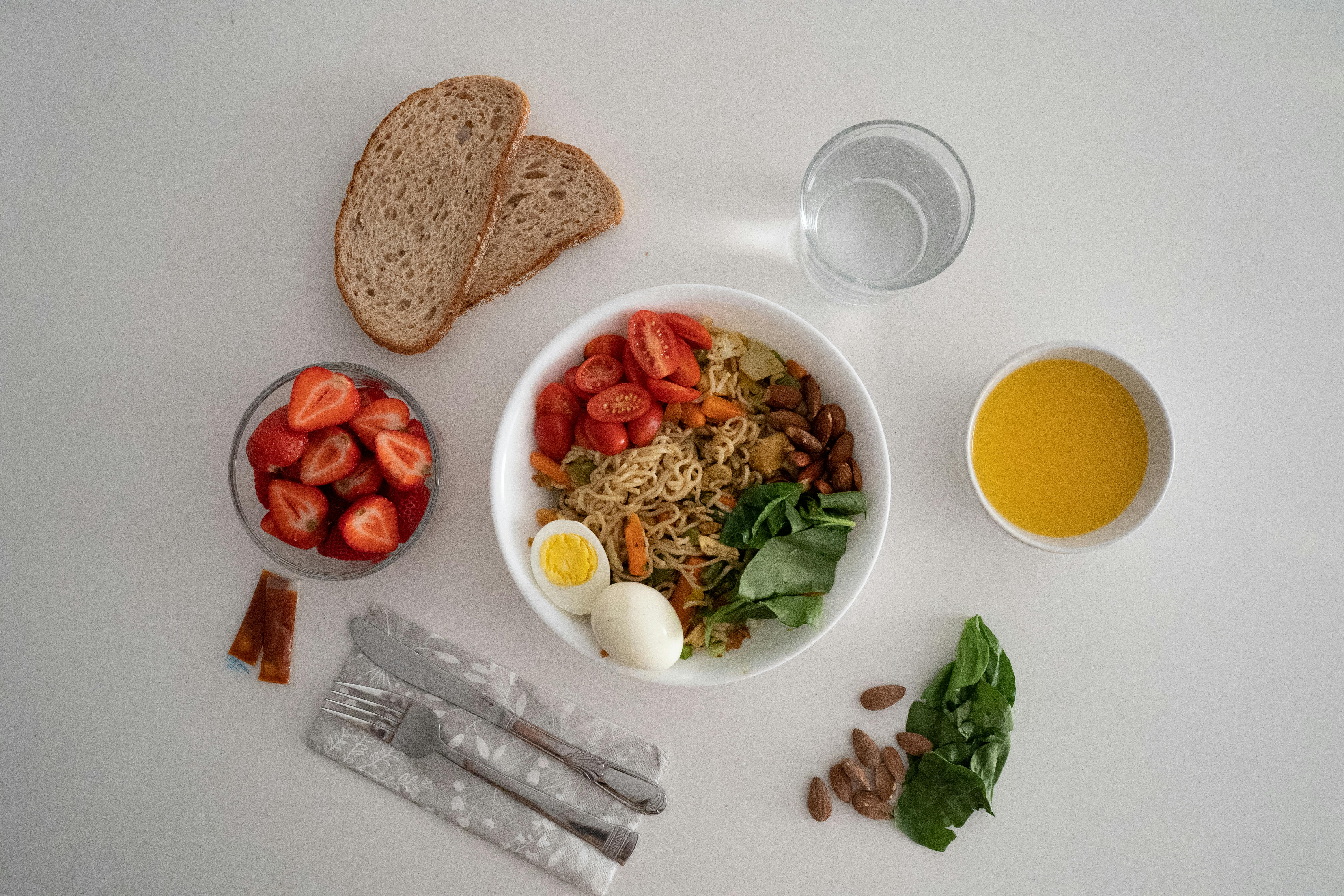
Cooking for one household member is not simply cooking scaled down. The waste problem comes from how ingredients are packaged and how quickly they degrade.
The unit problem
Produce is sold in units suited to families. A bunch of cilantro, a head of cabbage or a loaf of bread all outlast a single person's use before spoiling.
Scaling recipes down does not address this, since the ingredient still arrives whole. The excess simply moves from the plate to the refrigerator.
The practical response is planning around ingredients rather than around recipes, so a purchased unit is consumed across several intentionally different meals.
Components that tolerate storage
Dried legumes, whole grains, canned goods, nuts, seeds, frozen vegetables and shelf-stable plant milk have long lives and no urgency attached.
Building the structural part of meals from these leaves fresh produce as the variable element, purchased in smaller quantities and used sooner.
Hardy vegetables such as cabbage, carrots, onions, winter squash and potatoes bridge the two categories, keeping for weeks under ordinary storage.
Freezing changes the arithmetic
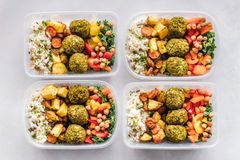
Cooking a full batch of legumes or grains and freezing portions converts a large unit into single servings without the repetition that spoils batch cooking.
Bread freezes well sliced, allowing a loaf bought as a unit to be used one or two slices at a time over weeks.
Herbs, tomato paste, ginger, citrus zest and leftover coconut milk all freeze in small portions, which addresses the ingredients most often bought whole and used partially.
Recipes that absorb the remainder
Soups, stir-fries, grain bowls and simple curries accept whatever vegetables need using without requiring exact quantities. They are formats rather than recipes.
Keeping one such format in reserve each week gives leftover produce a destination before it degrades, rather than after it has already declined.
Vegetable scraps and stems can extend that further into stock, though only where they are clean, fresh and free of bitter brassica cores.
Nutritional structure at small scale
The risk in single-person cooking is drifting toward toast, snacks and repeated convenience meals, which narrows the range of foods eaten considerably.
Keeping a legume component, a grain, a frozen vegetable and a fat source available at all times preserves the structure of a meal even when motivation is low.
Variety over a week matters more than variety within a meal, particularly for minerals and vitamins concentrated in specific plant foods rather than distributed broadly.
Also by Owen Brannagh
- Eating plant-based where the shops are limitedTransition & Family
- Dinner formulas that work every timeMeal Building
- Cooking with almost no equipmentCooking Technique
- Iron-rich meals: putting the principles togetherMicronutrients