Cooking Technique
Why Frozen Vegetables Behave Differently From Fresh
Freezing forms ice crystals that rupture cell walls, so thawed vegetables release water and soften faster, which changes how they should be cooked rather than whether.
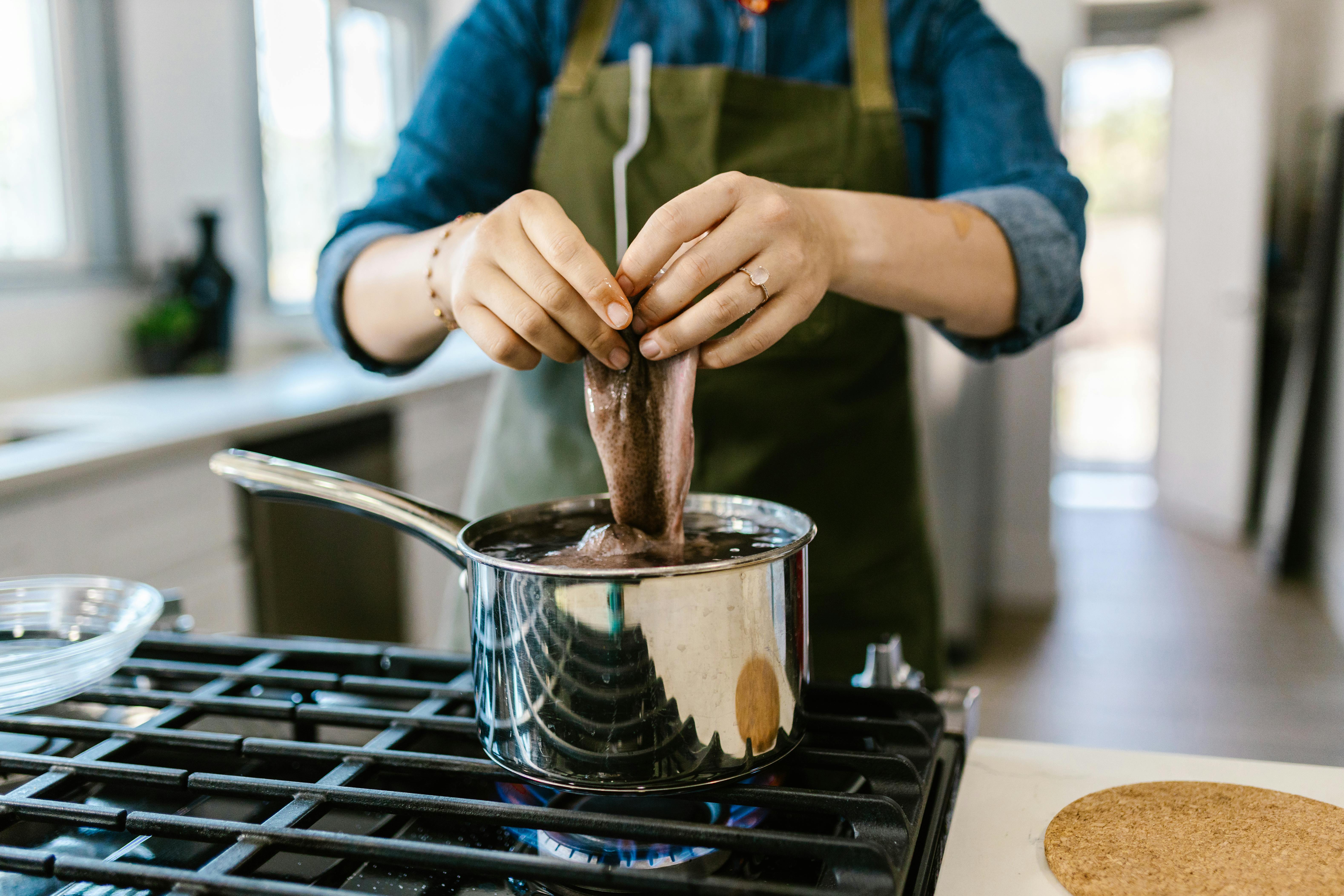
Frozen vegetables are not a lesser version of fresh ones. They are structurally altered by freezing, and cooking them well means accounting for that change.
Ice crystals damage cell walls
Water inside plant cells expands as it freezes and forms crystals that pierce cell membranes and walls. The damage is physical and permanent.
When the vegetable thaws, water that was held inside cells escapes freely. This is the pooled liquid in the bottom of a thawed bag.
Commercial flash freezing forms smaller crystals than a home freezer does, causing less damage. This is why store-bought frozen produce often holds texture better than home-frozen equivalents.
Blanching happens before freezing
Most commercially frozen vegetables are briefly boiled or steamed before freezing to deactivate enzymes that would otherwise degrade color, flavor and texture in storage.
That blanching means the vegetable arrives partially cooked. Treating it as raw and applying full cooking times produces something overdone.
Blanching also causes some loss of water-soluble vitamins into the blanching water. Against that, freezing occurs close to harvest, which preserves nutrients that decline during long refrigerated transport.
Excess water is the cooking problem
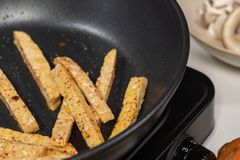
Released water in a hot pan drops the surface temperature and generates steam, which prevents browning. Frozen vegetables added to a skillet often stew rather than sear.
Cooking from frozen at high heat on a preheated surface, spread in a single layer, lets that water evaporate quickly. Thawing first usually makes matters worse.
Roasting works when the tray and oven are hot enough to drive moisture off fast. A crowded pan of frozen vegetables produces a wet tray instead.
Where the softer texture is an advantage
Soups, stews, curries, sauces and smoothies do not depend on structural firmness. Frozen vegetables perform indistinguishably in these and often better, since they break down readily.
Frozen peas, corn and spinach are added near the end of cooking because they need only heating. Long simmering serves no purpose and costs texture.
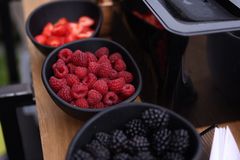
Frozen fruit behaves the same way, which is why it blends into a thicker smoothie than fresh fruit and ice. The cell damage is the reason.
What this means for stocking a kitchen
Frozen produce removes spoilage from the planning problem, which matters for households cooking irregularly or shopping infrequently. Portions can be taken as needed.
The nutrition comparison with fresh is generally close and depends heavily on how long the fresh item traveled and sat. Neither category dominates the other.
Checking the ingredient list still matters, since some frozen mixes include added sauces, salt or oils. Plain frozen vegetables list only the vegetable.
Also by Owen Brannagh
- Eating plant-based where the shops are limitedTransition & Family
- Dinner formulas that work every timeMeal Building
- Cooking with almost no equipmentCooking Technique
- Iron-rich meals: putting the principles togetherMicronutrients