Cooking Technique
Why Browning Changes The Flavour Of Vegetables
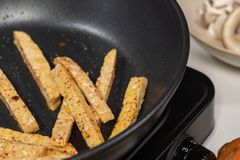
Browning is a reaction between amino acids and sugars that builds hundreds of new aroma compounds, and it requires dry heat above a threshold temperature.
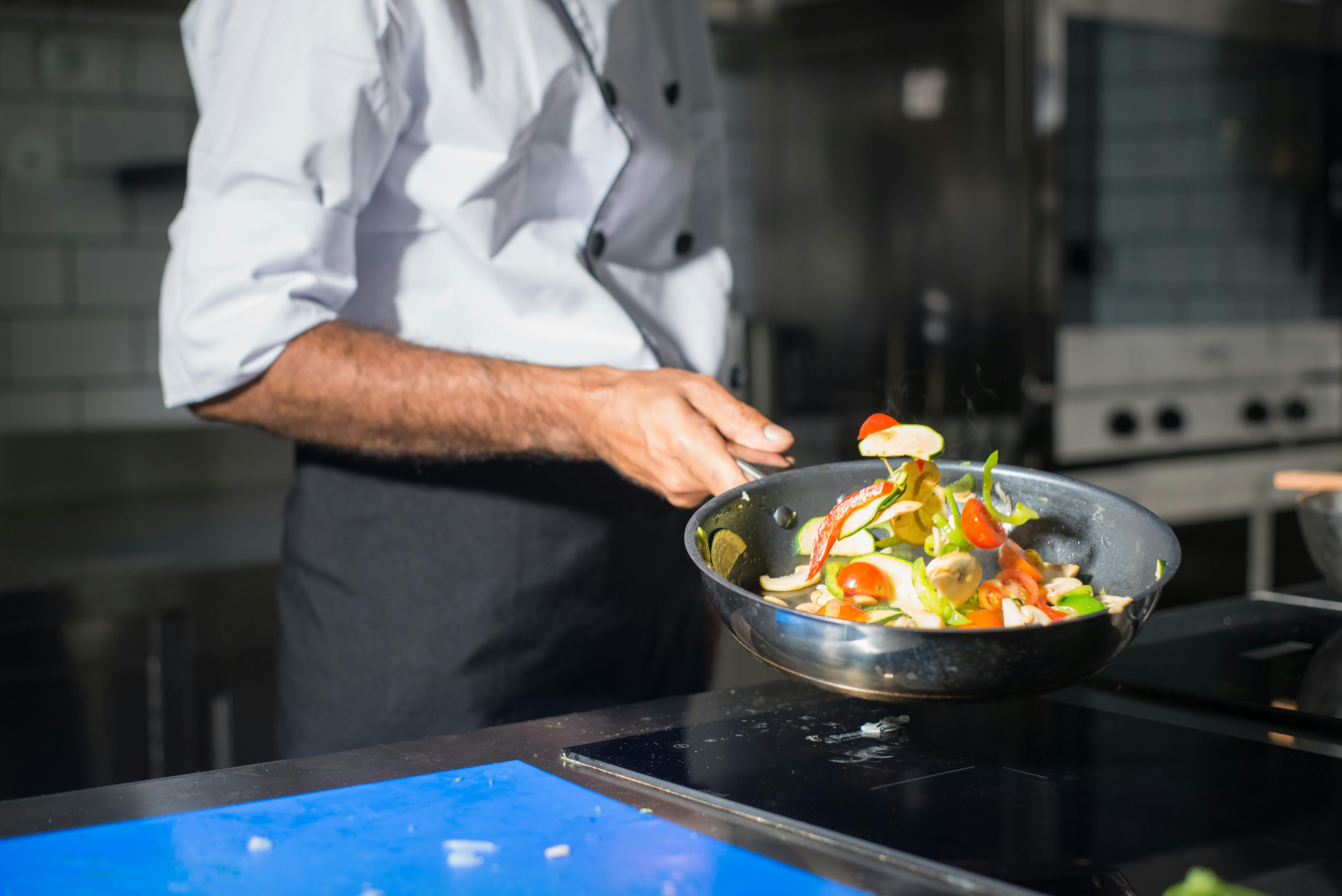
The same vegetable boiled and roasted tastes like two different foods. The difference is a chemical reaction that only happens under specific conditions, and knowing them makes it reproducible.
The reaction behind the flavour
Browning in cooking mostly refers to the Maillard reaction, which occurs between an amino acid and a reducing sugar when heat is applied.
The initial product rearranges and then fragments into a cascade of further reactions, producing hundreds of volatile compounds that did not exist in the raw food.
These are the compounds responsible for roast, toast and savoury aromas. They are created during cooking rather than released from the ingredient.
Why water prevents it
The reaction proceeds meaningfully only above roughly the temperature of boiling water, and while free water is present the food surface cannot exceed that point.
Energy going into the pan is spent evaporating water rather than raising the surface temperature, so a wet vegetable steams no matter how hot the oven is.
This is why crowding a roasting tray produces pale, soft vegetables. Moisture released from each piece keeps the whole tray in a steam environment.
Caramelisation is a separate process
Caramelisation involves sugars alone breaking down under heat, without any amino acid participating, and it requires higher temperatures than Maillard browning.
Both often occur together on a roasting vegetable, which is why the two terms are used interchangeably in cooking even though the chemistry differs.
Vegetables high in sugar, such as onions, carrots and parsnips, brown readily on both routes. Low-sugar vegetables rely more on the Maillard pathway and on any added fat.
The variables a cook controls
Surface dryness comes first: patting vegetables dry and spacing them on the tray does more than raising the oven temperature.
Fat helps by conducting heat evenly across an irregular surface and by dissolving some of the aroma compounds produced, which spreads flavour through the dish.
Alkalinity accelerates the reaction, which is the mechanism behind adding a small amount of baking soda when browning onions quickly, though it softens texture noticeably.
The costs of pushing it far
Browning consumes amino acids, lysine in particular, making a modest fraction of the protein unavailable. In vegetables this is negligible; in protein-rich foods it is worth knowing.
Past the browning stage, the reaction gives way to pyrolysis, producing bitter and acrid compounds. Burnt is chemically distinct from browned, not simply more of it.
The target is deep colour without black edges, which is why moderate oven temperatures over a longer period often produce better results than very high heat.
Also by Owen Brannagh
- Eating plant-based where the shops are limitedTransition & Family
- Dinner formulas that work every timeMeal Building
- Cooking with almost no equipmentCooking Technique
- Iron-rich meals: putting the principles togetherMicronutrients