Cooking Technique
Toasting Spices And What Heat Releases
Spice aromas sit in volatile oils held inside cell structures, and gentle heat both frees them and creates new compounds through browning reactions.
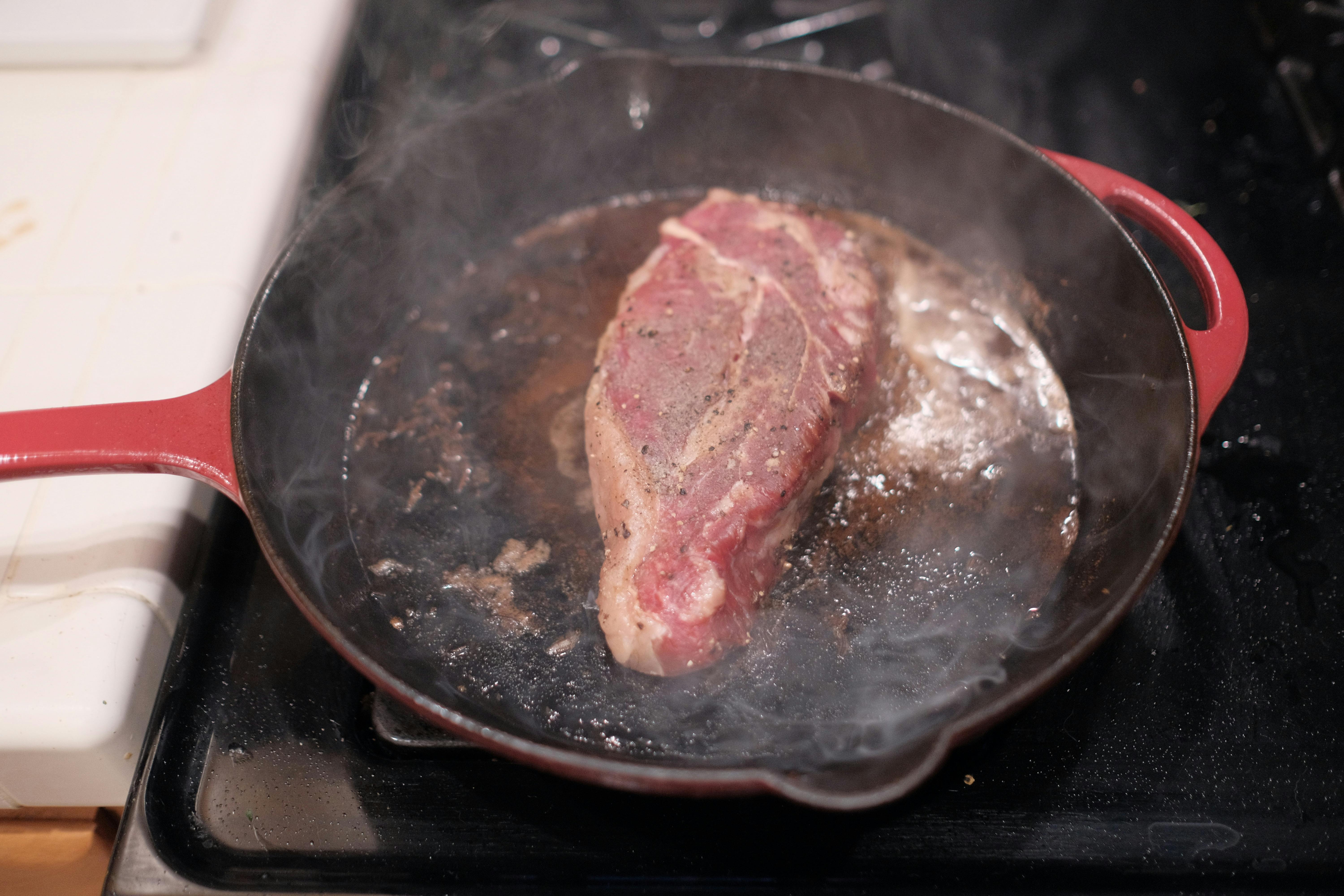
The same quantity of cumin can produce a barely detectable flavour or dominate a dish. What separates the two is a short period of heat applied before the spice meets liquid.
Where the aroma is stored
Spice flavour lives in volatile oils held in oil cells and resin ducts within the seed, bark or root. Intact, those structures keep the compounds contained and stable.
This is why whole spices keep for years while ground spices fade within months. Grinding ruptures the containers and exposes the oils to air.
Heat expands the remaining structures and lowers the viscosity of the oils, driving them to the surface where they can dissolve into the dish and reach the nose.
Dry toasting versus blooming in fat
Dry toasting in a pan heats the spice directly and drives some volatiles into the air, which is why the kitchen smells strongly and the spice tastes deeper afterwards.
Blooming in oil instead dissolves the released compounds into the fat, where they are retained and distributed evenly through whatever is cooked next.
Most aroma compounds in spices are fat-soluble, so oil captures far more of them than water does. A spice added to a watery simmer contributes considerably less.
The browning contribution
Beyond releasing what was already there, heat creates new compounds. Sugars and amino acids in the spice itself brown, adding nutty and roasted notes absent from the raw material.
This is why toasted cumin tastes different in kind, not merely stronger. Some of what is tasted did not exist before the pan.
The window is narrow. A few seconds past the aromatic point, the same compounds break down into bitter fragments, and bitter spice cannot be corrected downstream.
Order of addition
Whole spices generally go into hot fat first because they tolerate heat longest and need time to release. Ground spices follow, needing only seconds.
Leaf spices and delicate ground blends often go later still, since their aromatics are more volatile and disappear during long cooking.
Some ingredients belong at the very end for the same reason. Fresh herbs, garam masala and citrus zest all lose their character within a few minutes of simmering.
Grinding and storage
Grinding immediately before use gives the strongest result because oxidation begins the moment the cell structures open.
Heat generated during grinding drives off some volatiles too, which is why a cooled spice grinder produces a slightly better result than a hot one.
Whole spices stored away from light and heat retain their character for far longer, and a pantry organised on that basis quietly improves everything cooked from it.
Also by Owen Brannagh
- Eating plant-based where the shops are limitedTransition & Family
- Dinner formulas that work every timeMeal Building
- Cooking with almost no equipmentCooking Technique
- Iron-rich meals: putting the principles togetherMicronutrients