Micronutrients
Why Fat-Soluble Vitamins Need Fat On The Plate
Vitamins A, D, E and K travel through the digestive system inside fat droplets, so a meal without fat leaves a share of them unabsorbed.
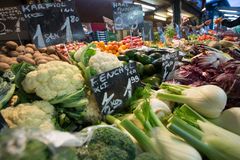
A salad of leaves and raw vegetables looks like the densest possible source of vitamins. Without any fat present, a meaningful share of its fat-soluble content passes straight through.
Two different transport routes
Water-soluble vitamins dissolve in the watery contents of the gut and cross the intestinal wall into the bloodstream directly.
Fat-soluble vitamins cannot dissolve in water at all. They must be packaged into droplets that bile salts have emulsified, and absorbed along with the fat in those droplets.
Once inside the intestinal cell they are packed into lipoproteins and enter the lymphatic system before reaching the blood, a longer route with more points at which the process can stall.
What happens without fat
Bile release is triggered largely by fat arriving in the small intestine. A very low-fat meal produces a weaker bile response and poorer emulsification.
Carotenoids, vitamin K from greens, and vitamin E from vegetables all depend on that emulsification. The same salad eaten dry and eaten dressed delivers noticeably different amounts of them.
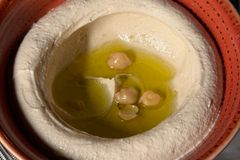
The amount of fat required is modest. A spoonful of dressing, some tahini, avocado, or nuts scattered over the top is sufficient to open the pathway.
Storage and why deficiency is slow
Because they dissolve in fat, these vitamins are stored in liver and adipose tissue rather than excreted quickly like the B vitamins.
That storage buffers intake over weeks and months, so a poor week has little effect and a poor year matters. Deficiency develops gradually and without early signals.
The same storage means excess accumulates, which is why preformed vitamin A and vitamin D can reach harmful levels while water-soluble vitamins generally do not.
The plant-based specifics
Vitamin K from leaves and vitamin E from seeds and oils are usually well covered on a plant-based diet, provided fat is present with the vegetables.
Vitamin A arrives as carotenoids requiring conversion, which is a separate step beyond absorption and varies between individuals.
Vitamin D is the outlier, since diet supplies little of it in any eating pattern and skin synthesis depends on latitude and season. It is the one that genuinely warrants a conversation with a clinician.
Cooking as an absorption decision
Sautéing greens in a little oil, roasting vegetables rather than boiling them, and dressing salads rather than eating them dry all serve the same purpose.
Whole-food fats work as well as oils and bring their own nutrients. Ground seeds, nut butters and avocado all provide the lipid vehicle.
The point is not that fat-free eating is harmful, but that the fat-soluble content of a vegetable is only partly realised when nothing carries it.
Also by Dr. Farah Siddiqui
- Sustaining it for decadesTransition & Family
- Reintroducing foods, if you decide toTransition & Family
- Young athletes on plant-based dietsSport & Performance
- Protein requirements across a lifetimeProtein & Amino Acids