Protein & Amino Acids
Soy, pea, hemp: choosing a protein powder if you want one
Protein powder is convenience food and it is genuinely useful for some people. Choosing between the plant options is simpler than the marketing suggests.
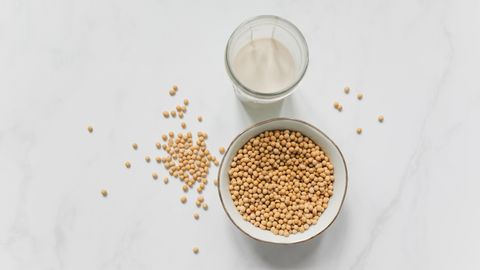
Protein powder is not necessary for most people. It is useful for anyone with high requirements, a limited appetite, or a schedule that makes cooking difficult.
If you decide you want one, here is what distinguishes them.
Soy protein
The most complete plant protein and the most studied.
Its amino acid profile is comparable to animal proteins, and it scores well on digestibility measures. Studies comparing soy protein with whey for muscle outcomes generally find smaller differences than is commonly assumed, particularly at adequate total protein intakes.
It is also generally the cheapest.
The isoflavone question comes up. The evidence on soy at dietary and supplemental levels does not support concerns about hormonal effects in men, and this has been reviewed repeatedly.
Downsides: flavour, which some people dislike, and it is a common allergen.
Pea protein
The most common alternative and increasingly the default in commercial products.
Good lysine content, relatively low in methionine, which is the standard legume pattern.
Trials comparing pea protein with whey for muscle outcomes have generally found comparable results when total protein is adequate.
Flavour is earthy and some brands are considerably better than others. Texture can be gritty.
Frequently blended with rice protein, which is complementary — rice is relatively high in methionine and low in lysine, so the combination covers both.
Rice protein
Lower in lysine. Generally used in blends rather than alone.
One caution worth knowing: rice accumulates arsenic from soil, and some rice protein products have been found to contain measurable levels. Products with third-party testing are worth preferring, and this is a reason not to make rice protein the sole source consumed in quantity daily.
Hemp protein
Reasonable amino acid profile, high in fibre, containing some omega-3.
Lower protein content per scoop than soy or pea, because of the fibre. Earthy flavour that people either like or do not.
More a whole food powder than a concentrated protein.
Pumpkin, sunflower and other seed proteins
Available and less common. Adequate, generally lower in protein density, and worth considering for anyone avoiding soy and legumes.
Blends
Most commercial plant proteins are blends, typically pea and rice, sometimes with others.
The rationale is amino acid complementation, and it is sound in principle. In practice, for anyone eating varied food across the day, the difference between a blend and a single source is small.
Blends also generally taste and mix better than single sources.
What actually matters when choosing
Protein per serving. Check the label rather than the front of the tub. Products vary from around fifteen to around twenty-five grams per scoop, and scoop sizes vary too.
Calculate protein per hundred grams of powder for a fair comparison.
Ingredient list length. Shorter is generally better. Long lists of gums, sweeteners and flavourings add cost and nothing else.
Third-party testing, for heavy metals in particular. Independent testing programmes exist and are worth preferring, especially for anything consumed daily and especially for rice-based products.
For anyone subject to anti-doping rules, certification against contamination is not optional.
Taste and texture, which determine whether you actually use it. Buy a small size first.
Cost per gram of protein, which is the honest comparison and which the packaging is designed to obscure.
What does not matter
Added branched-chain amino acids, which are already present in the protein and which have poor evidence as an addition for anyone consuming adequate protein.
Added enzymes, generally.
Elaborate proprietary blends.
Claims about absorption rates, which are largely marketing.
How to use it
As a supplement to food, not a replacement for it. Whole foods bring fibre, micronutrients and satiety that powder does not.
Reasonable uses: after training, in a smoothie when appetite is poor, added to porridge, or to top up a meal that was light on protein.
Timing matters less than total daily intake. The narrow post-workout window has not held up well; the useful window is measured in hours.
One to two servings a day is plenty for most people. If you are relying on four, the food is the problem.
The alternative that is frequently better
Soy milk contains roughly comparable protein to dairy milk, unlike most other plant milks, which are considerably lower.
A litre of soy milk delivers a substantial amount of protein at a fraction of the cost of powder, and it is food rather than supplement.
Similarly: silken tofu blended into smoothies, cooked lentils in unexpected places, and simply eating more.
Powder is convenience. It is not superior, and it should not be the foundation.
General information rather than individual advice. Anyone with a medical condition or high protein requirements should consult a registered dietitian.
Also by Yuki Nakamura
- Eating for injury recoverySport & Performance
- Tracking your intake, briefly and usefullyProtein & Amino Acids
- Travelling and eating well away from homeSport & Performance
- Protein timing: what matters and what does notProtein & Amino Acids