Sport & Performance
Why Explanations For Cramping Keep Changing
Exercise-associated muscle cramping was long attributed to electrolyte loss, but competing neuromuscular explanations fit the observations better, and the disagreement is unresolved.
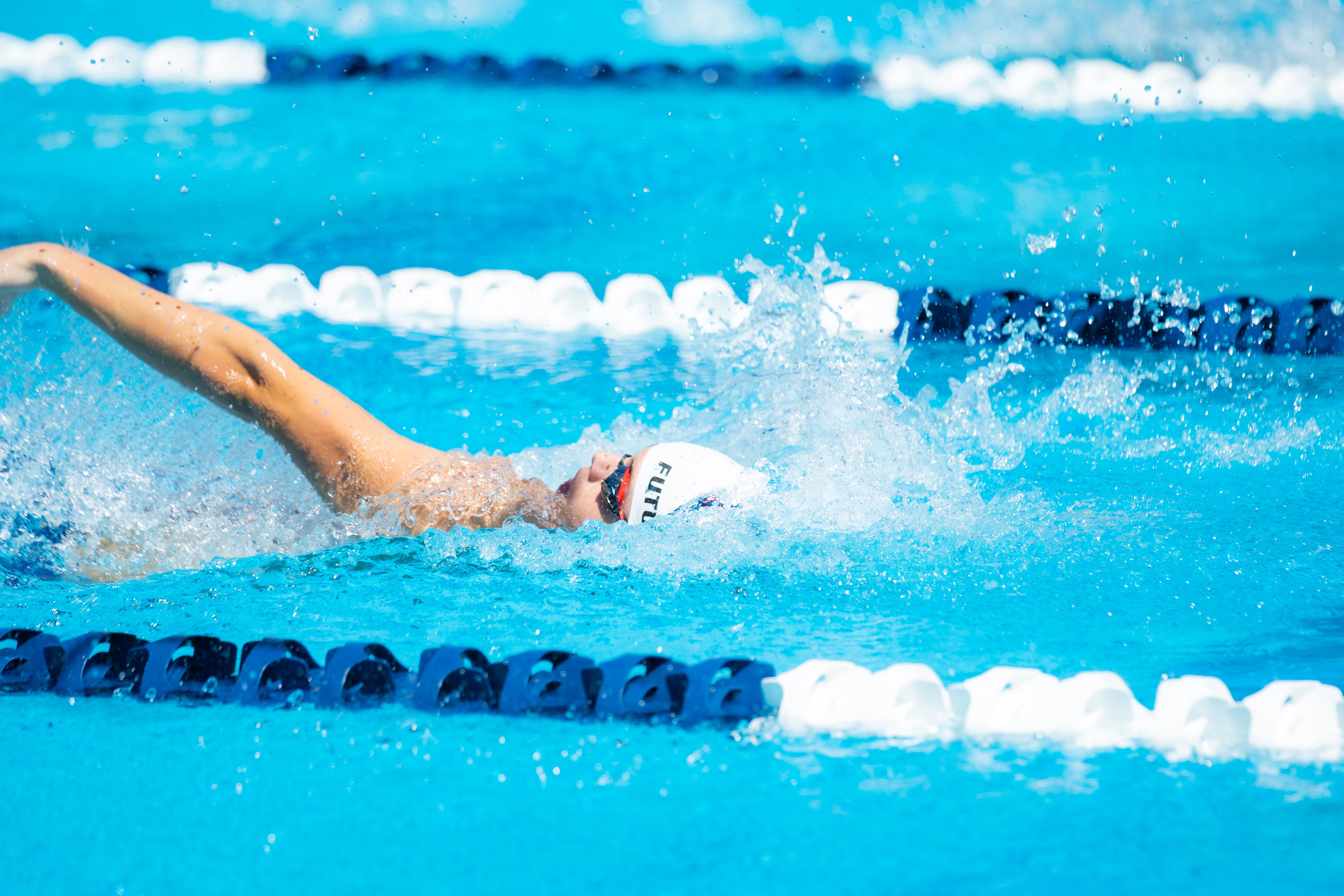
Cramping during prolonged exercise is among the most familiar athletic complaints and among the least settled scientifically. The explanations offered have shifted substantially over time.
The dehydration and electrolyte account
The traditional explanation holds that sweat loss depletes fluid and sodium, altering the environment around muscle fibers and making them prone to involuntary contraction.
It has intuitive appeal, since cramping occurs in hot conditions and in long events, and salt replacement is an easy intervention to attempt.
The difficulty is that cramping frequently occurs in athletes whose measured hydration and electrolyte status resemble those of athletes who do not cramp, which weakens the association considerably.
The neuromuscular alternative
A competing account locates the problem in the nervous system rather than in body fluids, proposing that muscle fatigue disturbs the balance of reflexes controlling contraction.
Muscle spindles that promote contraction become more active while Golgi tendon organs that inhibit it become less active, leaving the motor neuron pool over-excited.
This explains why cramps typically strike muscles working near the limit of their trained capacity, and why stretching, which stimulates the inhibitory pathway, relieves them.
Why the evidence stays ambiguous
Cramping is difficult to study because it cannot be reliably induced in a laboratory in the form athletes experience during competition.
Research often uses electrically induced cramps in small muscles, which may or may not share mechanisms with spontaneous cramping in a fatigued athlete.
Field studies depend on athletes who happen to cramp during a given event, which produces small and self-selected samples with limited control over conditions.
What both accounts agree on
Cramping is associated with exertion beyond an athlete's trained preparation, with pace faster than accustomed, and with a personal history of cramping.
Training that prepares the specific muscles for the intensity and duration expected is the intervention most consistently associated with fewer episodes.
Adequate fluid and sodium intake remains sensible for other reasons in hot conditions, whatever its relationship to cramping specifically.
Where plant-based diets enter
Whole plant foods are generally low in sodium, so athletes preparing their own food may consume less than those eating packaged and restaurant meals.
Potassium and magnesium intakes tend to be higher on such diets, since both are concentrated in legumes, greens, nuts and whole grains.
Persistent or severe cramping, particularly at rest or outside exercise, is a reason to see a physician, since it can reflect conditions and medications unrelated to sport.
Also by Dr. Farah Siddiqui
- Sustaining it for decadesTransition & Family
- Reintroducing foods, if you decide toTransition & Family
- Young athletes on plant-based dietsSport & Performance
- Protein requirements across a lifetimeProtein & Amino Acids