Micronutrients
Thiamin And What Milling Takes Out
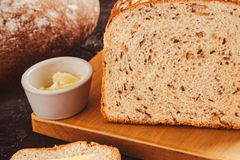
Thiamin sits mainly in the germ and bran of grains, so refining removes most of it, and the American enrichment standard exists largely because of that loss.
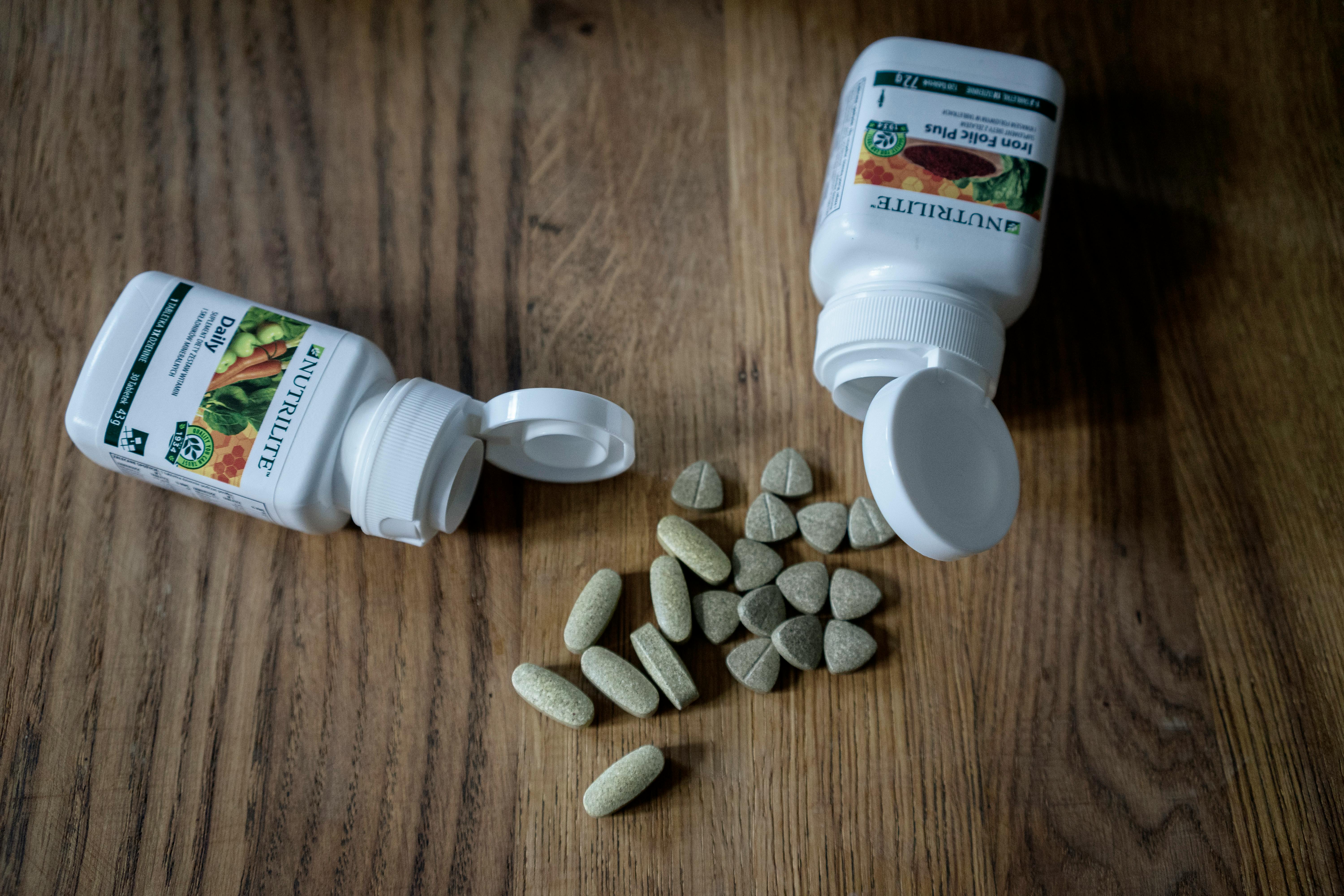
Thiamin rarely comes up in discussions of plant-based eating, which reflects how effectively the American grain supply addresses it rather than how unimportant it is.
Where thiamin lives in a grain
A wheat kernel has three parts. The starchy endosperm makes up most of its mass, while the germ and the bran layers surrounding it hold a disproportionate share of the micronutrients.
Thiamin is concentrated in those outer layers and the germ. Refining separates them out to produce white flour with longer shelf life and finer texture.
The result is a flour with most of the calories and little of the thiamin. This pattern repeats for several B vitamins and for minerals such as magnesium.
What thiamin does
Thiamin functions as a coenzyme in the reactions that convert carbohydrate into usable energy. Its role sits at the center of carbohydrate metabolism rather than at the periphery.
Because that role scales with energy intake, requirements are conventionally expressed relative to calories consumed. Higher-carbohydrate diets carry proportionally higher demand.
Nerve tissue depends heavily on that energy pathway, which is why deficiency historically presented with neurological features. Severe deficiency is rare where grains are enriched.
Plant sources beyond enriched flour
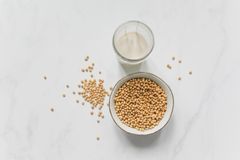
Legumes are consistently good sources, particularly black beans, lentils and peas. Sunflower seeds, whole grains and nutritional yeast contribute meaningfully as well.
A diet built substantially on legumes and whole grains generally supplies thiamin without effort. The vitamin is broadly distributed across unrefined plant foods.
Fortified breakfast cereals and enriched pasta and bread add further, which means most American diets receive it from several directions at once.
Why it is easy to lose in the kitchen
Thiamin is water-soluble and unstable to heat, so both boiling and prolonged cooking reduce it. Discarding cooking water removes what dissolved into it.
Alkaline conditions destroy it particularly efficiently, which is why adding baking soda to a bean pot to speed softening comes with a nutritional cost.
Sulfites, used as preservatives in some dried fruits and processed foods, also degrade thiamin. The effect is on the food containing them rather than on the diet generally.
Where a gap could plausibly open
Diets that avoid both enriched grains and legumes are the pattern where thiamin intake could reasonably be questioned, since the remaining sources are less concentrated.
Very high alcohol intake interferes with absorption and storage, which is a well-established clinical concern independent of diet composition.
Anyone with reason to suspect a shortfall, including persistent unexplained symptoms, needs assessment by a physician rather than a dietary experiment. Deficiency is diagnosed clinically, not by inference from a food list.
Also by Dr. Farah Siddiqui
- Sustaining it for decadesTransition & Family
- Reintroducing foods, if you decide toTransition & Family
- Young athletes on plant-based dietsSport & Performance
- Protein requirements across a lifetimeProtein & Amino Acids