Micronutrients
Riboflavin And The Quiet Gap In Plant Diets
Riboflavin is abundant in dairy and less so across plant staples, which makes it one of the few vitamins where a dietary switch changes the sources entirely.
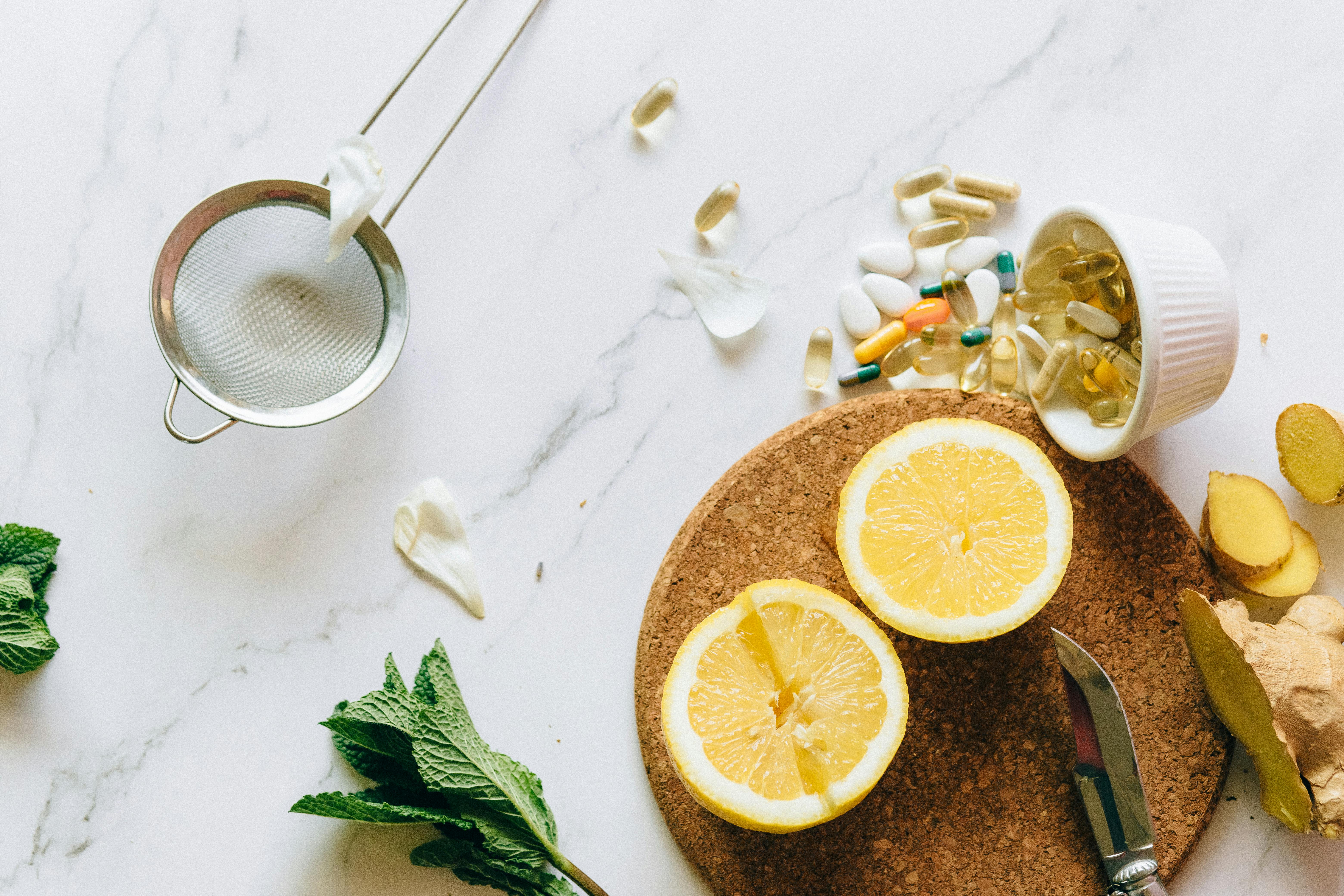
Most nutrients get redistributed rather than lost when dairy leaves a diet. Riboflavin is one of the few where the largest single source in many diets disappears and has to be actively replaced.
What riboflavin does
Riboflavin, vitamin B2, becomes part of two coenzymes that carry electrons in the reactions releasing energy from carbohydrate, fat and protein.
Those coenzymes sit in the mitochondrial pathways, so riboflavin is involved wherever cells are producing energy, which is essentially everywhere.
It also supports the recycling of glutathione, an antioxidant defence system, and the conversion of vitamin B6 and folate into their active forms.
Why dairy dominated the supply
Milk carries riboflavin in a readily absorbed form, and in diets where milk is drunk daily it often supplies a large share of the total intake.
The vitamin is light-sensitive, which is the historical reason milk moved from glass bottles to opaque cartons. Sunlight on a doorstep degraded a meaningful fraction.
Remove dairy and eggs and the remaining sources are more scattered, which is what makes riboflavin worth thinking about rather than assuming.
Where plant diets find it
Nutritional yeast is the standout source, and fortified versions carry more still. A modest sprinkle contributes substantially, which is unusual for any single food.
Almonds, mushrooms, spinach, tempeh and fortified plant milks all contribute. Whole grains carry some, though refining removes much of it before fortification restores part.
The pattern that works is variety plus one or two concentrated sources, rather than relying on any one food to carry the whole requirement.
How status is judged
Riboflavin is not measured usefully by a simple blood level. The standard laboratory approach measures how much a particular red cell enzyme improves when riboflavin is added to the sample.
That activation coefficient reflects whether the enzyme was operating short of its cofactor, which is a functional question rather than a concentration question.
Because the test is indirect and rarely ordered routinely, anyone with a reason to suspect a shortfall should raise it with a clinician rather than guessing from symptoms.
The practical shape of it
Riboflavin is water-soluble and not stored in quantity, so intake matters across the week rather than in occasional large amounts.
It is also destroyed by light and by alkaline conditions, so storing fortified plant milk in an opaque container and avoiding baking soda in green vegetables both preserve more.
None of this is difficult, but it is invisible. Riboflavin rarely appears in discussions of plant-based eating, and it is one of the few gaps that genuinely opens by default.
Also by Dr. Farah Siddiqui
- Sustaining it for decadesTransition & Family
- Reintroducing foods, if you decide toTransition & Family
- Young athletes on plant-based dietsSport & Performance
- Protein requirements across a lifetimeProtein & Amino Acids