Protein & Amino Acids
Protein Density Versus Protein Percentage
A food can be high in protein as a share of its calories and still contribute little protein per serving, and the two measures answer different questions.
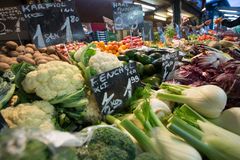
Broccoli is frequently described as high in protein, and by one measure it is. By the measure that matters for meeting a daily target, it is not. Both statements are true.
Two different denominators
Protein percentage expresses protein as a share of a food's energy content. Protein density, as most people use the term, expresses grams of protein per serving or per hundred grams.
Leafy greens score highly on the first because they contain very little energy of any kind. The protein fraction is large because the denominator is small.
They score poorly on the second, because a realistic serving contains only a little of anything. Nobody eats enough spinach to make its protein arithmetic work.
Why the percentage figure became popular
The percentage framing entered plant-based discussion as a counter to the claim that plant foods lack protein, and as a point about it, it is fair.
It demonstrates that a diet built on vegetables, legumes and grains supplies protein throughout rather than only in designated protein foods.
Where it misleads is when it is used to plan meals. A collection of high-percentage, low-density foods leaves someone short of both protein and energy.
Where the density actually sits
Legumes, soy foods, seitan and to a lesser degree nuts, seeds and whole grains carry enough protein per realistic serving to move the daily total.
Tofu, tempeh and cooked lentils are the workhorses because they combine reasonable density with portion sizes people will actually eat.
Vegetables contribute genuinely at the margins. Across a day of substantial vegetable intake the accumulated contribution is not trivial, but it is a supplement to the legume base rather than a replacement.
The energy connection
If total energy intake is too low, protein gets diverted to fuel rather than used for building and repairing tissue. Adequate calories are a precondition for protein working as intended.
This is the practical failure of a diet built on very low-energy foods. Volume rises, protein looks adequate on a percentage basis, and the body burns it anyway.
Adding fats and starches alongside the protein sources is what allows the protein to be spared for its structural role.
How to read a label with this in mind
Grams per serving is the number to work with, alongside the serving size actually eaten rather than the one printed.
A useful check is whether a food contributes a meaningful share of a daily target in the quantity a person would normally eat in one sitting.
By that test the picture becomes simple: build meals around legumes, soy and grains, and let everything else contribute what it contributes.
Also by Dr. Farah Siddiqui
- Sustaining it for decadesTransition & Family
- Reintroducing foods, if you decide toTransition & Family
- Young athletes on plant-based dietsSport & Performance
- Protein requirements across a lifetimeProtein & Amino Acids