Micronutrients
Magnesium And Where Plant Diets Actually Get It
Magnesium sits at the centre of the chlorophyll molecule, which is why plant foods carry it, and why refining grain strips most of it away.
Magnesium is one of the few minerals that plant-based diets tend to supply generously without effort. The reason is structural, and it explains which foods carry it and which have lost it.
The mineral at the centre of chlorophyll
Every chlorophyll molecule holds a single magnesium atom at its core. Green tissue therefore cannot exist without magnesium, and green foods carry it as a matter of course.
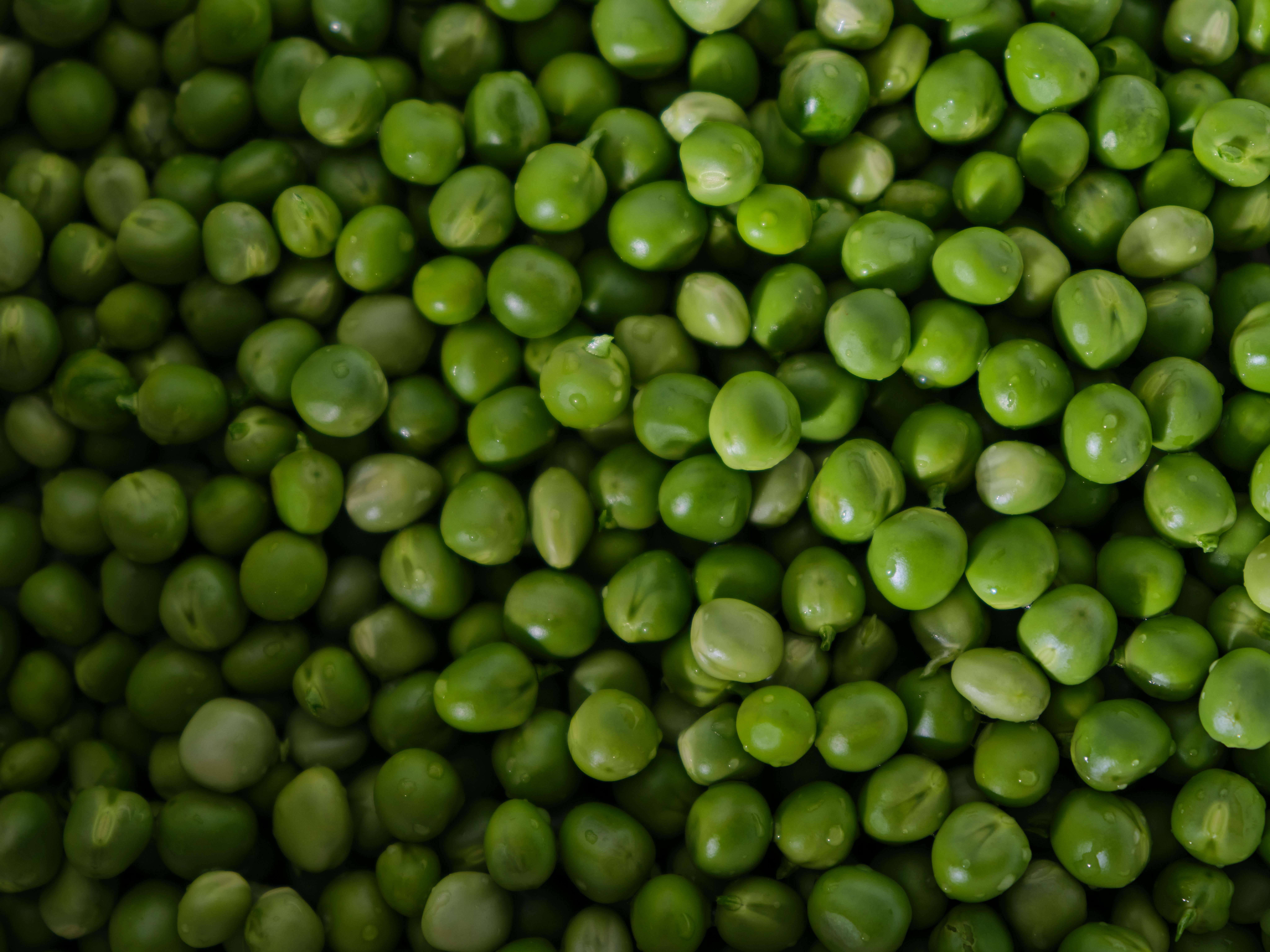
Leaves are the obvious case, but the same logic extends to green beans, peas and herbs. The intensity of the green is a rough visual signal of the chlorophyll present.
Plants also store magnesium in seeds, where it supports the enzymes that will drive germination. That is why nuts, seeds, legumes and whole grains are dense sources.
What milling removes
In a grain kernel, the mineral content is concentrated in the bran and germ rather than the starchy endosperm. Refining separates those layers out.
White flour and white rice therefore carry a fraction of the magnesium of their whole counterparts, even though the energy content barely changes. The calories stay and the minerals leave.
Fortification programmes usually restore iron and some B vitamins to refined flour but not magnesium. A diet built largely on refined grain quietly loses a source it would otherwise have had.
Absorption and the phytate question
Whole grains and legumes contain phytate, which binds magnesium and reduces how much crosses the gut wall. This is often raised as an objection to plant sources.
The arithmetic usually favours the whole food anyway. A wholegrain carries several times the magnesium of its refined version, so even reduced absorption leaves more than the alternative delivers.
Soaking, sprouting and sourdough fermentation activate enzymes that break phytate down, improving the fraction absorbed. These are ordinary kitchen practices rather than interventions.
What the body uses it for
Magnesium acts as a cofactor for hundreds of enzymes, notably those that handle ATP. Energy transfer reactions require the mineral bound alongside the phosphate groups.
It also participates in muscle relaxation, working against calcium's contracting signal, and in the stability of nucleic acids during replication.
Because it sits in so many pathways, symptoms of a genuine shortfall are vague and overlap with many other conditions. Interpreting them is a job for a clinician, not for self-assessment.
Where shortfalls actually appear
Blood tests are a poor guide because most body magnesium sits inside bone and cells, and the circulating fraction is held steady until reserves are strained.
Heavy sweating, certain medications and some digestive conditions increase losses, and those are the situations where intake deserves attention rather than assumption.
For most people eating legumes, nuts, seeds and whole grains regularly, magnesium is among the least fragile parts of the diet. The foods that supply it are the same ones supplying fibre and protein.
Also by Dr. Farah Siddiqui
- Sustaining it for decadesTransition & Family
- Reintroducing foods, if you decide toTransition & Family
- Young athletes on plant-based dietsSport & Performance
- Protein requirements across a lifetimeProtein & Amino Acids