Protein & Amino Acids
Lysine, The Amino Acid That Limits Plant Meals
Cereal proteins are low in lysine relative to human requirements, which makes it the constraint that determines the quality of a grain-heavy diet.

Protein quality on a plant-based diet is usually decided by one amino acid rather than by protein quantity. Lysine is that amino acid, and understanding why explains most of the traditional food pairings.
What limiting means
Protein synthesis requires all the essential amino acids present at once. When one runs short, synthesis stops at that point regardless of how much of the others is available.
The amino acid in shortest supply relative to requirement is called the limiting amino acid. It sets the ceiling on how much of the ingested protein can be used for building tissue.
The rest is not wasted in the sense of vanishing. It is deaminated and the carbon skeletons are used for energy, but it does not contribute to building proteins.
Why cereals are short of it
Grain seeds store protein largely as prolamins, a family that is naturally low in lysine. Wheat gluten, maize zein and rice storage proteins all follow this pattern.
The plant has no reason to do otherwise. It needs a nitrogen store for the seedling, not a protein balanced for human requirements.
This is why wheat, rice, maize, oats and their products all share the same weakness. It is a property of the seed storage strategy rather than of any one grain.
Where legumes fit
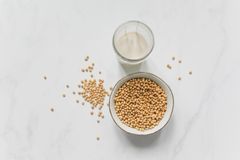
Legumes store protein in a different family, globulins, which are comparatively rich in lysine. Beans, lentils, peas and soy all carry more of it than any cereal.
Legumes are instead relatively lower in the sulphur-containing amino acids, methionine and cysteine, where cereals are comparatively better supplied.
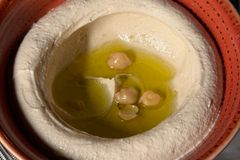
The two profiles are close to complementary, which is why rice and dal, beans and tortillas, hummus and flatbread appear independently across so many cuisines.
The timing question, settled by the amino acid pool
Complementary proteins were once thought to require combining within a single meal. That view has been revised.
The body maintains a circulating pool of free amino acids and recycles substantial quantities from the turnover of its own tissue, which buffers supply across hours.
What matters is that legumes appear regularly across the day and the week, not that a grain and a legume sit on the same plate at the same sitting.
Where the shortfall genuinely bites
A diet built almost entirely on cereals, with legumes appearing rarely, will run short of lysine even when total protein looks adequate on paper.
That pattern shows up in very restricted diets, in fussy-eating children, and where legumes have been dropped for digestive reasons without replacement.
Assessing whether it matters for a particular person, especially a growing child or someone with additional needs, is work for a registered dietitian rather than a calculation from a food table.
Also by Dr. Farah Siddiqui
- Sustaining it for decadesTransition & Family
- Reintroducing foods, if you decide toTransition & Family
- Young athletes on plant-based dietsSport & Performance
- Protein requirements across a lifetimeProtein & Amino Acids