Protein & Amino Acids
How Protein Digestibility Scores Are Calculated
Protein quality scores compare a food's amino acid pattern to human requirements and then adjust for digestibility, and the method used changes the ranking.

Claims that one protein is superior to another almost always rest on a scoring system. Knowing how the scores are built explains why plant proteins rank where they do.
The two components of every score
Every modern protein quality score combines two separate measurements. The first compares the food's essential amino acid pattern against a reference pattern of human requirements.
The lowest ratio among the essential amino acids becomes the chemical score, because that is the limiting one and it caps what can be used.
The second component is digestibility: the proportion of the ingested protein that is actually absorbed rather than passing through. The chemical score is multiplied by that figure.
The older method and its ceiling
The long-standing method measured digestibility across the whole digestive tract, using faecal nitrogen as the endpoint, and truncated any score above one.
Truncation meant that proteins exceeding requirements in every amino acid all received the same top mark, which removed the ability to distinguish between them.
Faecal measurement also has a flaw: gut bacteria in the large intestine metabolise amino acids, so what leaves the body is not what failed to be absorbed.
The newer method and what changed
The replacement measures digestibility of each individual amino acid at the end of the small intestine, before the bacterial population can alter the picture.
Scores are calculated per amino acid rather than for protein as a whole, and truncation is removed, so values above one are reported.
The change generally lowered the scores of plant proteins relative to the older method, because ileal measurement reveals that some plant amino acids are less available than faecal figures implied.
What the scores do not capture
Both methods score isolated foods, while people eat mixed meals. Combining a cereal and a legume produces a score well above either component measured alone.
Processing is not held constant either. Soaking, cooking, fermenting and removing fibre all raise digestibility, so the same legume scores differently depending on preparation.
The scores also say nothing about everything else the food carries. A ranking of protein quality is not a ranking of foods.
Using the idea sensibly
The practical implication is that plant-based diets benefit from slightly higher total protein intake and from including legumes and soy regularly.
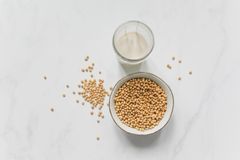
Soy scores close to animal proteins on either method, which is why it appears so often in discussions of plant protein adequacy.
Beyond that, chasing scores food by food adds little. Diet-level amino acid supply across a day is the meaningful unit, and that is where a dietitian would look if there were a question about adequacy.
Also by Dr. Farah Siddiqui
- Sustaining it for decadesTransition & Family
- Reintroducing foods, if you decide toTransition & Family
- Young athletes on plant-based dietsSport & Performance
- Protein requirements across a lifetimeProtein & Amino Acids