Micronutrients
How Oxalates Change What Minerals You Absorb
Oxalate binds calcium and some other minerals into compounds the gut cannot take up, which is why spinach is a poor calcium source despite its numbers.
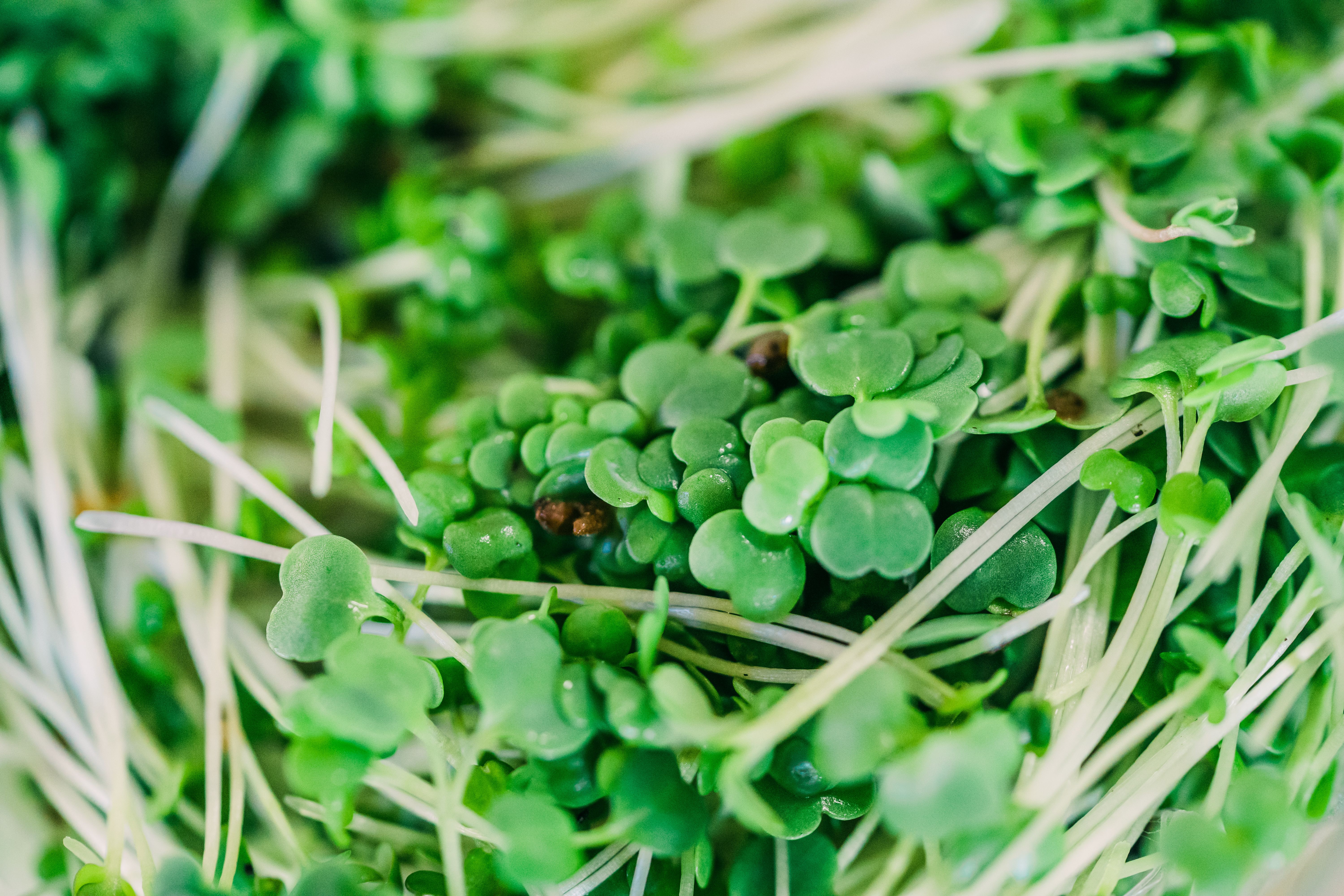
Nutrition tables list spinach as calcium-rich, yet very little of that calcium reaches the bloodstream. Oxalate is the reason, and it explains several other gaps between label and reality.
What oxalate is and why plants make it
Oxalate is a small organic acid produced by many plants, partly as a way of managing excess calcium in their own tissue and partly as a deterrent to grazing.
It occurs concentrated in spinach, chard, beet greens, rhubarb, and to a lesser degree in nuts, cocoa and some legumes. Distribution across plant foods is uneven.
Inside the plant, oxalate frequently exists already bound to calcium as tiny insoluble crystals. Those crystals are what give some greens their faintly chalky mouthfeel.
The binding that blocks absorption
Calcium is absorbed as a free ion. When oxalate binds it, the resulting calcium oxalate is insoluble and passes through the digestive tract without being taken up.
This is why the fraction of calcium absorbed from spinach is low, while the fraction from kale, bok choy and broccoli, which are low in oxalate, is considerably higher.
The binding is not selective to the calcium in that particular food. Oxalate can also bind calcium arriving from another item in the same meal, reducing what the whole plate delivers.
Why high-oxalate foods are still worth eating
Spinach and chard supply folate, carotenoids, magnesium, potassium and vitamin K, none of which are meaningfully affected by their oxalate content.
The correct conclusion is not to avoid them but to stop counting on them for calcium. Calcium needs to come from the low-oxalate greens, from fortified plant milks, tofu set with calcium salts, and from tahini and almonds.
Boiling reduces soluble oxalate because it leaches into the water, so a green that is boiled and drained delivers less oxalate than the same green eaten raw or steamed.
Iron and the same mechanism
Oxalate is less influential on iron than phytate or tea polyphenols, but the general principle holds: plant iron is absorbed as an ion and anything that binds it reduces uptake.
Vitamin C works in the opposite direction, holding iron in the more absorbable form and competing with binding compounds. Citrus, peppers or tomatoes in the same meal make a measurable difference.
This is why meal composition matters more than any single ingredient. What surrounds a food determines much of what the food actually delivers.
Where oxalate becomes a clinical matter
A minority of people form kidney stones made of calcium oxalate, and for them dietary oxalate is managed rather than ignored.
Counterintuitively, restricting calcium tends to make that worse, because unbound oxalate is absorbed and excreted through the kidney. Calcium eaten alongside oxalate keeps it in the gut instead.
Anyone with a stone history needs individual guidance from a clinician or dietitian, because the right approach depends on stone type and on urine chemistry rather than on general rules.
Also by Dr. Farah Siddiqui
- Sustaining it for decadesTransition & Family
- Reintroducing foods, if you decide toTransition & Family
- Young athletes on plant-based dietsSport & Performance
- Protein requirements across a lifetimeProtein & Amino Acids