Sport & Performance
Heat, Cold And How Fuelling Changes With Weather
Ambient temperature alters sweat losses, fuel selection and appetite, so the same session in different conditions requires different food and fluid.
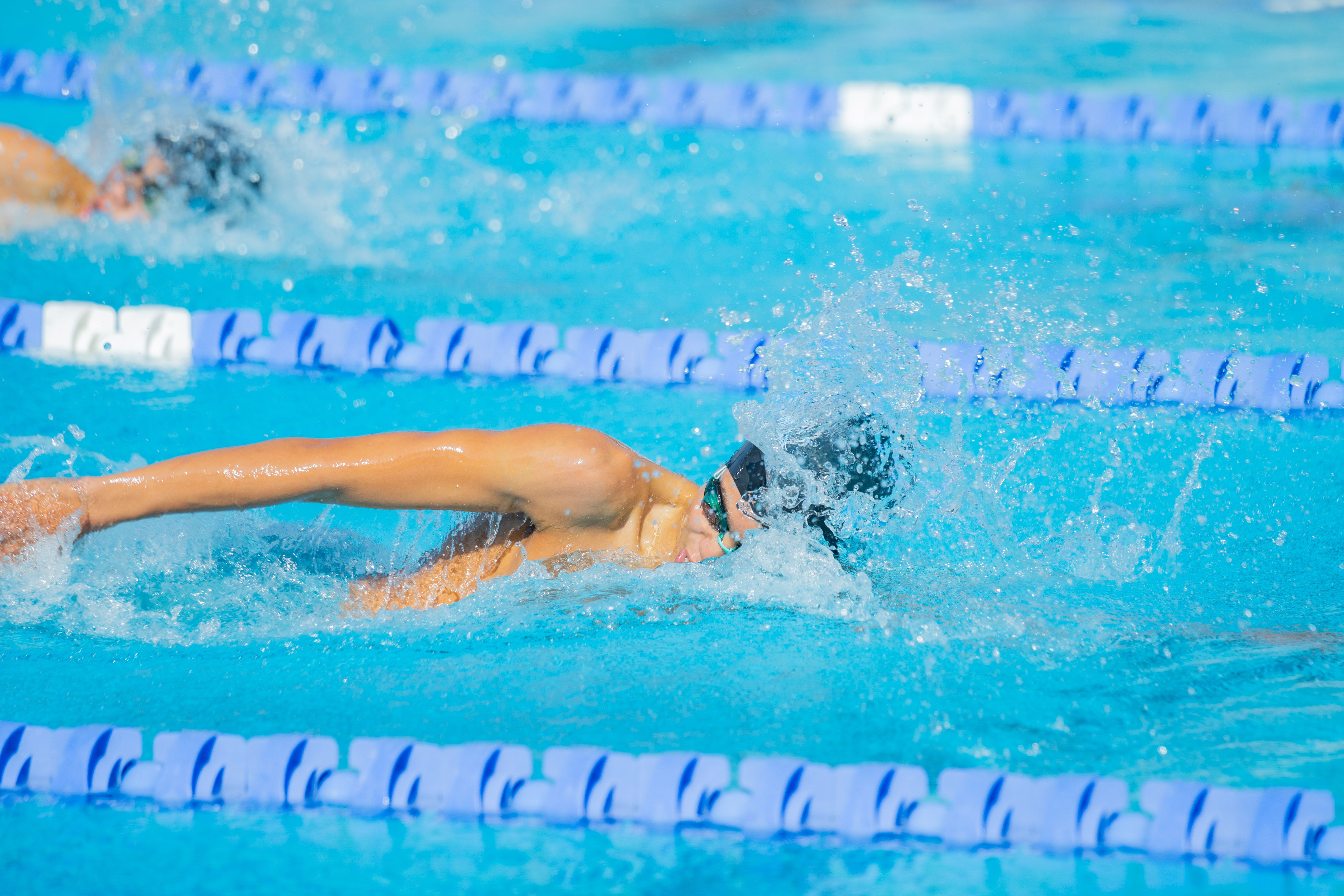
An athlete who fuels identically in July and January is getting one of the two wrong. Temperature changes what the body uses and what it loses, in opposite directions.
Heat shifts fuel use towards carbohydrate
Working in heat raises core temperature and heart rate at any given intensity, and the body relies more heavily on carbohydrate at that elevated strain.
Glycogen therefore depletes faster in hot conditions than in temperate ones at the same pace, which shortens the duration at which fuelling becomes necessary.
Blood is also diverted towards the skin for cooling, reducing what is available to the digestive tract and making tolerance of solid food worse.
Fluid and electrolyte losses
Sweat rate varies enormously between individuals and rises sharply with temperature and humidity, since humid air limits evaporation and forces greater sweating for the same cooling.
Sweat carries sodium, and sodium concentration also varies between individuals, which is why generic replacement figures fit some athletes poorly.
Replacing large fluid losses with plain water alone dilutes blood sodium, which is a genuine hazard in long events and a matter for medical guidance rather than guesswork.
Cold conditions and the opposite problems
Cold suppresses thirst noticeably, and athletes in winter conditions routinely finish sessions dehydrated without ever having felt thirsty.
Respiratory water loss rises in cold dry air, and heavy clothing produces sweat that is not obvious because it evaporates or is absorbed before it is noticed.
Energy expenditure also rises if shivering occurs, and cold appears to shift fuel use towards carbohydrate as well, through a different route than heat does.
Practical adjustments
In heat, fluid becomes the primary carrier and fuel is better taken in liquid or gel form, in smaller and more frequent amounts.
In cold, warm drinks serve both hydration and thermal purposes, and solid food is generally tolerated better than it is in heat.
Equipment matters more than it seems: gels stiffen in cold and are difficult to open with numb hands, which is a practical reason plans fail in winter.
Acclimatisation and its limits
Repeated exposure to heat produces genuine adaptation over one to two weeks: increased plasma volume, earlier sweating and lower sodium concentration in sweat.
Those adaptations reduce strain considerably but do not remove the raised fluid requirement, and they fade within a similar period once exposure stops.
For events in conditions unlike training conditions, planning fuelling with a sports dietitian who knows the event is considerably more reliable than adapting on the day.
Also by Dr. Farah Siddiqui
- Sustaining it for decadesTransition & Family
- Reintroducing foods, if you decide toTransition & Family
- Young athletes on plant-based dietsSport & Performance
- Protein requirements across a lifetimeProtein & Amino Acids