Sport & Performance
Gut Training And Tolerating Fuel While Moving
The intestine's capacity to absorb carbohydrate during exercise is trainable, because transporter expression responds to repeated exposure over weeks.
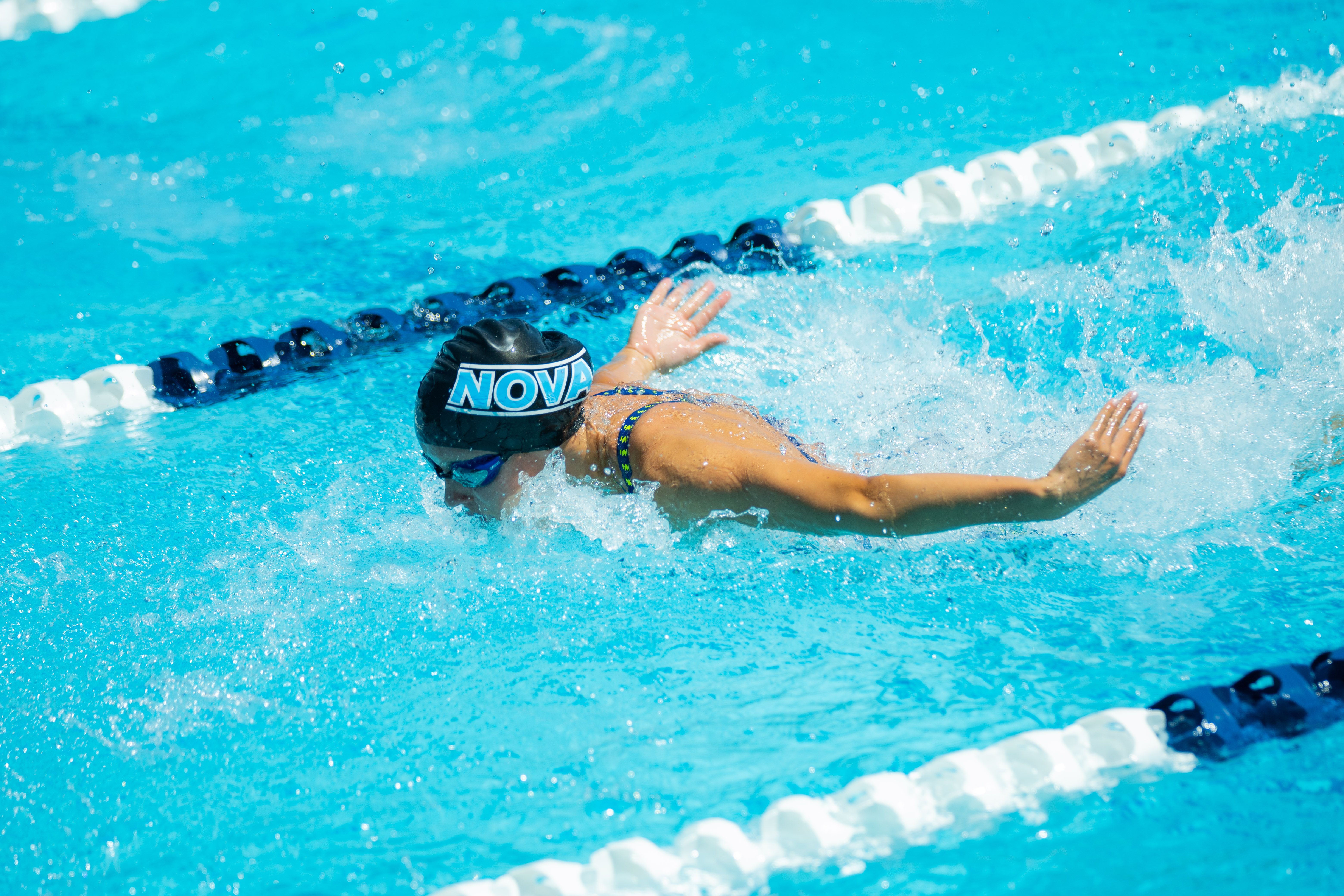
Athletes who cannot eat during exercise often conclude they have a sensitive stomach. In many cases the limiting factor is absorptive capacity, and that capacity responds to training like any other.
The transporter bottleneck
Glucose does not diffuse freely across the intestinal wall. It is carried by a specific transporter protein, and the number of those transporters sets a ceiling on absorption rate.
Carbohydrate that cannot be absorbed remains in the gut, drawing water in osmotically and producing bloating, cramping and urgency.
The symptoms therefore arise from unabsorbed fuel rather than from the fuel itself being unsuitable, which is why the same drink can be fine at one concentration and troublesome at another.
Using two sugars rather than one
Fructose uses a different transporter from glucose, so the two are absorbed by independent routes that do not compete.
Combining them allows a higher total absorption rate than glucose alone can achieve, which is why most modern sports products contain a mixture rather than a single sugar.
The ratio matters, and products differ. What tolerates well for one athlete may not for another, which is a matter for individual testing.
How the adaptation happens
Transporter expression in the intestinal lining increases in response to regular exposure to the substrate, over a timescale of weeks.
Consuming carbohydrate consistently during training therefore raises the amount that can be absorbed during later sessions.
The adaptation is specific to what is practised, so training with one product and competing with another discards part of the benefit.
What a training progression looks like
The general shape is starting below the amount that causes symptoms and increasing gradually across several weeks of long sessions.
Practising at race intensity matters, because tolerance at easy effort does not predict tolerance when digestive blood flow is reduced.
Fluid volume and concentration are variables in their own right, since a very concentrated drink slows gastric emptying and can cause symptoms independently of absorption.
Where this stops being a self-managed project
Persistent symptoms that do not improve with gradual exposure need proper investigation rather than more persistence.
Underlying conditions produce similar symptoms, and attributing them to gut training delays diagnosis. Blood, unexplained weight change or symptoms at rest all point elsewhere.
For athletes with a serious competitive goal, this work is normally done with a sports dietitian who can build the progression around the training plan rather than against it.
Also by Dr. Farah Siddiqui
- Sustaining it for decadesTransition & Family
- Reintroducing foods, if you decide toTransition & Family
- Young athletes on plant-based dietsSport & Performance
- Protein requirements across a lifetimeProtein & Amino Acids