Protein & Amino Acids
Where Tryptophan Goes After A Meal
Tryptophan is the scarcest essential amino acid in food and feeds several unrelated pathways, which is why its fate depends on competition rather than on total intake.
Tryptophan is present in smaller amounts than any other essential amino acid in most proteins. What happens to it after absorption depends on several competing routes.
A small share of dietary protein
Proteins across foods contain roughly one percent tryptophan by weight, far less than amino acids such as leucine or glutamate.
Requirements are correspondingly small, so ordinary protein intake supplies enough. Its scarcity in food matters more for what it means downstream than for adequacy.
Plant sources including soy, pumpkin seeds, oats, sesame and legumes all contribute, and no plant-based diet with adequate protein is short of it.
Three pathways compete
Most absorbed tryptophan is incorporated into new body proteins, which is the default fate of any amino acid the body needs structurally.
A portion enters the kynurenine pathway, which among other things allows limited synthesis of niacin. The conversion is inefficient enough that niacin remains a dietary requirement.
A smaller fraction is converted to serotonin, and in turn to melatonin. This branch attracts most popular attention despite receiving the least material.
Crossing into the brain is competitive
Tryptophan enters the brain via a transporter shared with several other large neutral amino acids, so they compete for the same limited capacity.
Eating a protein-rich meal raises tryptophan but raises its competitors more, which means the ratio determining brain uptake can fall rather than rise.
Carbohydrate-containing meals shift the ratio in the other direction, since the insulin response draws competing amino acids into muscle while tryptophan largely remains bound to albumin.
Why the food folklore overstates it
Foods described as sleep-inducing because of their tryptophan content are usually protein foods, which carry the competitors along with it.
The effects being described are modest, variable between individuals, and small compared with sleep timing, light exposure and habitual schedule.
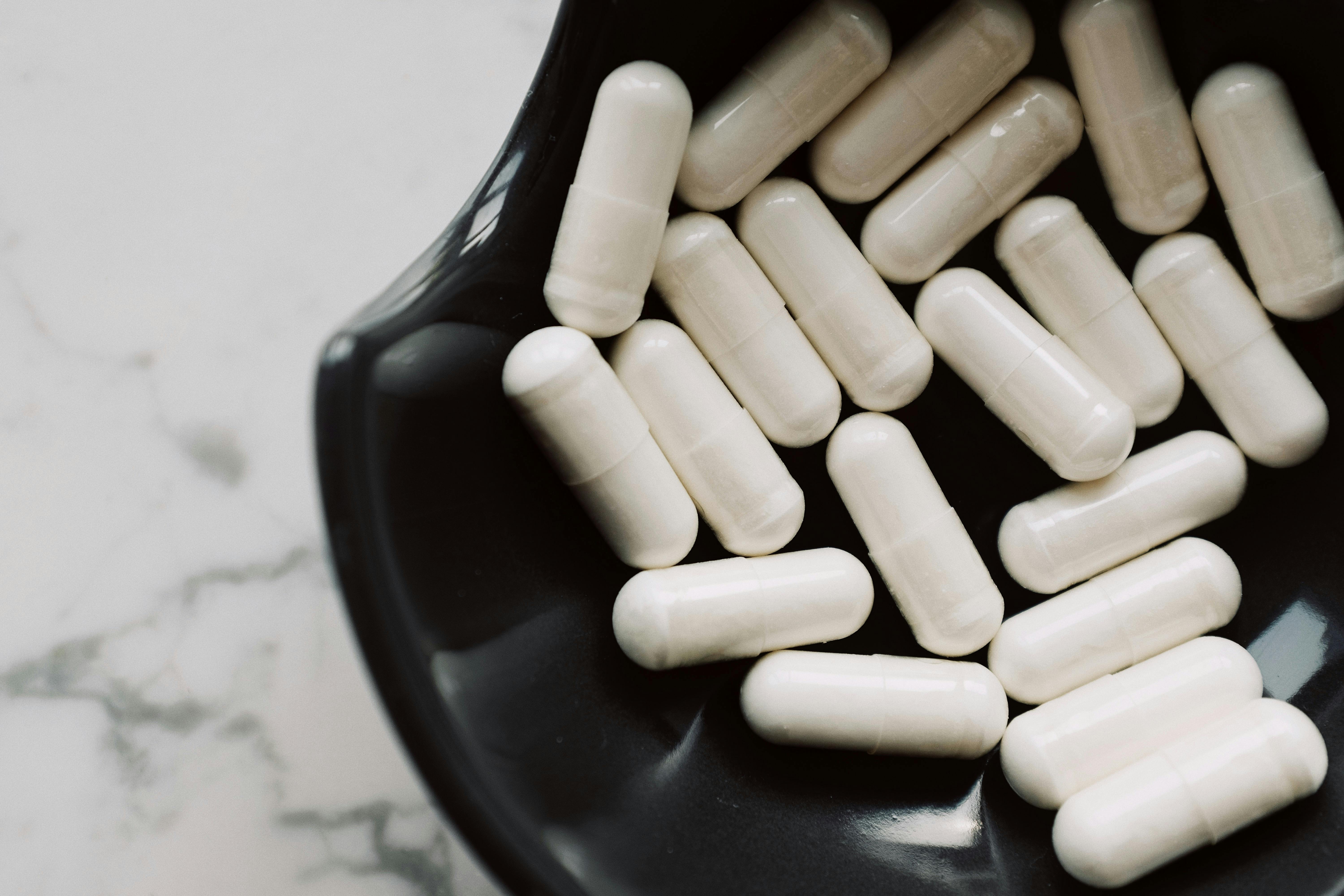
Concentrated tryptophan supplements are a different matter entirely, with their own considerations, and belong in a conversation with a physician rather than in meal planning.
What is worth taking from it
Adequate total protein from varied plant sources supplies tryptophan without any targeting, since the amino acid travels with protein generally.
Meal composition influences the ratio available for brain uptake, which is a real mechanism, but not a lever precise enough to build habits around.
Where sleep or mood is a persistent concern, the useful step is clinical assessment rather than dietary manipulation of a single amino acid.
Also by Yuki Nakamura
- Eating for injury recoverySport & Performance
- Tracking your intake, briefly and usefullyProtein & Amino Acids
- Travelling and eating well away from homeSport & Performance
- Protein timing: what matters and what does notProtein & Amino Acids