Protein & Amino Acids
What Separates A Protein Isolate From A Concentrate
Isolates and concentrates differ in how much non-protein material processing removed, which changes protein density, fiber content, flavor and how the powder behaves in liquid.
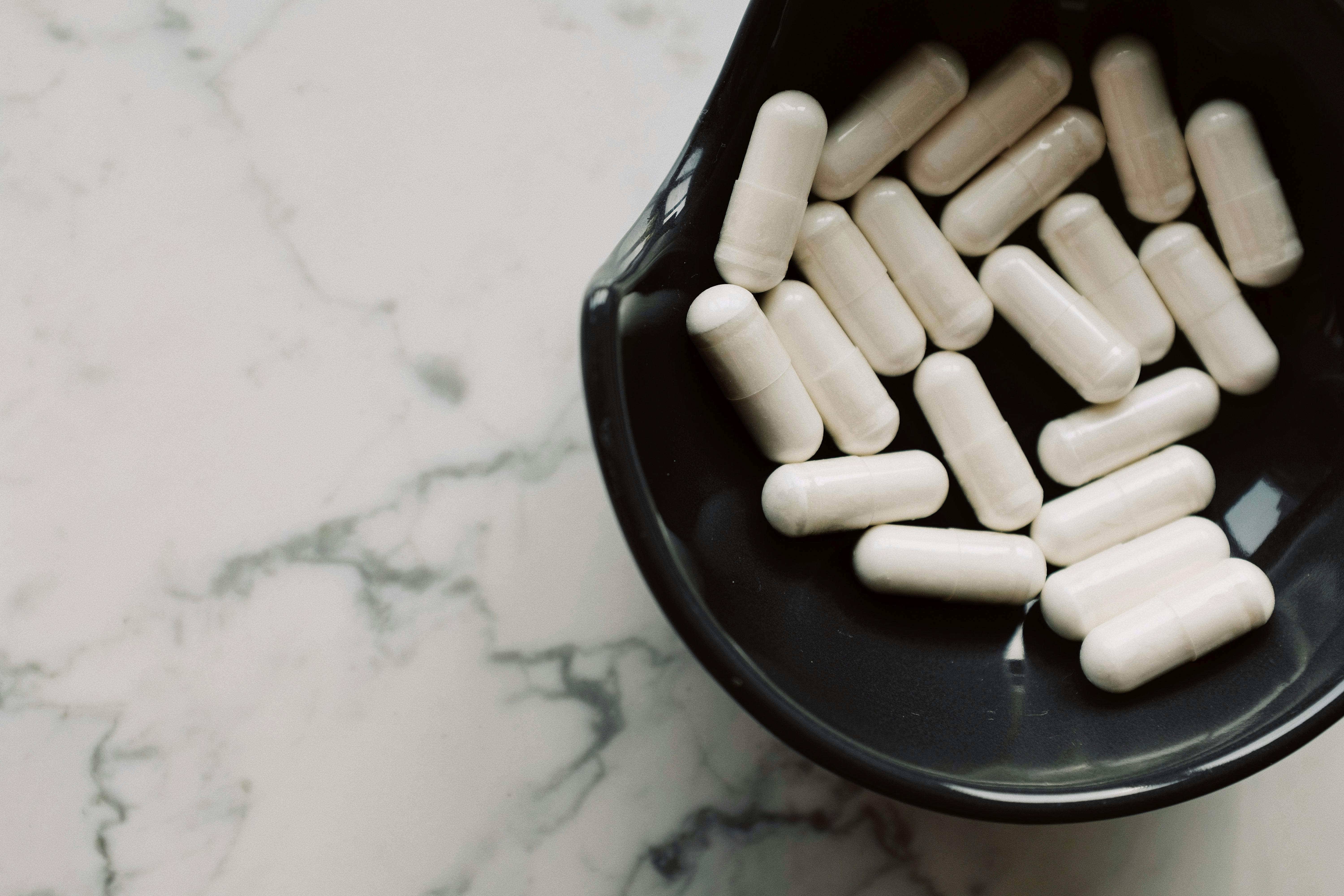
Plant protein powders are labeled as isolates or concentrates, and the distinction describes a processing endpoint rather than a marketing tier.
The two words describe purity
A concentrate has had some non-protein material removed, typically carbohydrate and part of the fat, leaving protein as a majority but not dominant fraction.
An isolate has been processed further to remove most remaining carbohydrate, fat and fiber, producing a substantially higher protein content per gram.
Regulatory and industry conventions set approximate thresholds for the terms, so the labels correspond to real compositional ranges rather than arbitrary naming.
How the separation is done
Concentrates are commonly produced by removing soluble sugars and fats through washing, filtration or mechanical means, leaving the protein and fiber fraction behind.
Isolates typically involve solubilizing protein at one pH, separating it from insoluble material, then precipitating it at the pH where it is least soluble.
Membrane filtration is the alternative route, separating molecules by size without pH swings. Which method was used affects flavor and functional behavior.
What gets removed alongside
Fiber, minerals and various plant compounds are largely stripped from an isolate. In soy this includes much of the isoflavone content, though amounts vary with method.
Flavor compounds go with them, which is why isolates taste more neutral. Pea concentrate in particular carries a distinct vegetal note that isolation reduces.
Antinutrients such as phytates are also reduced by these processes, which improves mineral availability from the powder itself while removing the minerals too.
Behavior in liquid differs
Isolates dissolve or disperse more readily and produce a thinner, smoother drink, since less insoluble material remains to settle out.
Concentrates thicken more and settle faster, which suits blended preparations better than simple shaking. Fiber content is the main reason.
In baking and cooking, the two are not interchangeable at equal weight, since they differ both in protein density and in how much water they bind.
What the difference does and does not mean
Higher protein per gram is the isolate's clear advantage, which matters where total intake is being deliberately managed within limited volume.
It is not inherently a nutritional improvement, since what was removed included fiber and plant compounds that whole-food sources supply.
Powders of either type are food ingredients rather than requirements, and whether one belongs in a particular diet is a question for a registered dietitian who knows the whole intake pattern.
Also by Yuki Nakamura
- Eating for injury recoverySport & Performance
- Tracking your intake, briefly and usefullyProtein & Amino Acids
- Travelling and eating well away from homeSport & Performance
- Protein timing: what matters and what does notProtein & Amino Acids