Micronutrients
Calcium, iodine and the ones people forget
B12 gets the attention and iron gets the questions. Calcium and iodine are the ones that quietly go missing when dairy and fish come off the plate.
Two nutrients supplied largely by food groups that plant-based diets remove, and two that people rarely think about.
Calcium
Dairy supplies a large share of calcium intake in many populations. Removing it without replacement leaves a gap.
This matters. Studies have found lower bone mineral density and higher fracture risk in vegans compared with omnivores, with the difference appearing to relate substantially to lower calcium and vitamin D intake rather than to plant-based eating as such.
Which means it is addressable.
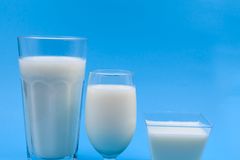
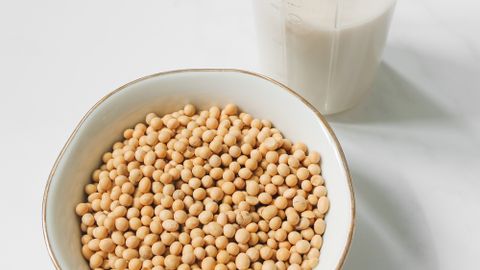
Fortified plant milks. The most practical source. Most fortified varieties contain calcium at levels comparable to dairy milk.
Two crucial points: unfortified varieties contain almost none, so check the label; and calcium settles, so shake the carton, since the calcium is in suspension rather than dissolved.
Calcium-set tofu. Tofu made with calcium sulphate is a substantial source. Check the ingredients — tofu set with magnesium chloride, sometimes labelled nigari, contains far less.
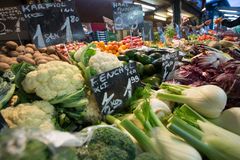
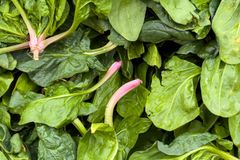
Low-oxalate greens. Kale, pak choi, broccoli, spring greens and watercress provide calcium that is well absorbed — in some cases better absorbed than the calcium in dairy.
Spinach, chard and beet greens are high in calcium and high in oxalate, which binds it. Absorption from spinach is very poor. It is a good food and not a calcium source.
Fortified breads and cereals in some countries, where fortification is mandatory or common.
Almonds, tahini, dried figs, white beans and other legumes, contributing moderate amounts.
Hard water, which contributes more than people expect in some areas.
The practical version: two to three servings of fortified plant milk or calcium-set tofu daily, plus low-oxalate greens regularly, covers it comfortably.
Supplements are appropriate where intake is inadequate. Calcium is best absorbed in doses of around five hundred milligrams or less at a time, so split larger doses.
Calcium supplements should be taken away from iron-rich meals, since they inhibit iron absorption.
Vitamin D, which goes with it
Calcium is of limited use without adequate vitamin D.
Most vitamin D comes from sunlight rather than food. At higher latitudes, synthesis is negligible for several months of the year, and many countries recommend supplementation for the whole population during winter.
Dietary sources are limited and largely animal-derived, apart from fortified foods and UV-exposed mushrooms.
Vitamin D2 is always plant-derived. Vitamin D3 is traditionally from lanolin and is now available in vegan form from lichen. D3 appears somewhat more effective at raising blood levels than D2.
Supplementation is sensible for most people in temperate climates, plant-based or not.
Iodine
The most overlooked nutrient in plant-based eating, and one where both deficiency and excess cause problems.
Iodine is required for thyroid hormone production. Deficiency causes goitre and hypothyroidism, and in pregnancy it causes irreversible impairment of the child's cognitive development. This is a serious matter and it is the reason iodine deficiency has been a major target of public health programmes worldwide.
The sources in most diets are dairy, fish, eggs and iodised salt.
Dairy is a major source in several countries, largely because of iodine in cattle feed and in teat disinfectants — an incidental rather than intentional fortification.
Removing dairy and fish removes most of it.
Plant sources are limited. Seaweed is the main one and it is problematic as a routine source because iodine content varies enormously between species and between batches.
Kelp and kombu in particular can contain extremely high amounts, and excessive iodine also causes thyroid dysfunction. Cases of thyroid problems from seaweed consumption are documented.
Nori is lower and more moderate. It is a reasonable occasional source.
Iodised salt, where available. Availability and iodisation levels vary considerably by country, and specialty salts — sea salt, rock salt, flaky salt — are generally not iodised.
People who have switched to specialty salts have frequently reduced their iodine intake without realising.
The practical recommendation: a supplement providing around 150 micrograms daily, which is the adult requirement, or reliable use of iodised salt.
Requirements are higher in pregnancy and breastfeeding, and this is where the stakes are highest.
Do not use seaweed as your primary source unless you know the iodine content of the specific product.
Zinc
Worth a note. Plant zinc is less well absorbed because of phytates, and vegetarians and vegans have lower average intakes.
Sources: legumes, nuts, seeds — particularly pumpkin seeds — wholegrains, tofu and tempeh.
Soaking, sprouting, fermenting and leavening all improve absorption, as with iron.
Some bodies suggest higher intakes for those eating no animal products. A modest supplement is reasonable, and excessive zinc interferes with copper absorption, so avoid high doses.
Selenium
Content in plant foods depends on soil, which varies enormously by region. Some areas have selenium-poor soils and populations with low intakes.
Brazil nuts are extremely high — one or two a day covers requirements. More than that is easy to overdo, since selenium toxicity is real.
The supplement question
A reasonable position for most people eating an entirely plant-based diet: B12 always, vitamin D in winter or year-round at higher latitudes, iodine unless using iodised salt reliably, an algal omega-3 supplement, and selective use of iron and zinc based on testing and diet.
A well-formulated multivitamin designed for plant-based diets covers several of these and is a reasonable simplification.
General information rather than individual advice. Do not supplement iron without testing. Iodine requirements are higher in pregnancy — anyone pregnant or planning pregnancy should discuss supplementation with their midwife or doctor.
Also by Dr. Farah Siddiqui
- Sustaining it for decadesTransition & Family
- Reintroducing foods, if you decide toTransition & Family
- Young athletes on plant-based dietsSport & Performance
- Protein requirements across a lifetimeProtein & Amino Acids