Micronutrients
Selenium, copper and the trace minerals
The minor minerals get little attention and a few of them have genuine relevance on a plant-based diet, mostly because of soil.
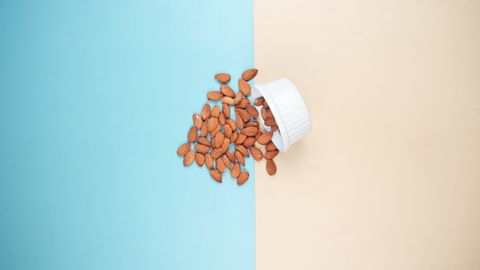
Beyond the well-known nutrients, several trace minerals are worth a brief look.
Selenium
The one with a genuine geographical dimension.
Selenium content in plant foods depends almost entirely on the selenium content of the soil where they grew, and that varies enormously between regions.
Some areas have selenium-rich soils and populations with high intakes. Others have selenium-poor soils and populations with intakes below recommendations. Parts of Europe, including the United Kingdom, have relatively low soil selenium, and average intakes have declined as wheat sourcing changed.
Selenium is required for thyroid hormone metabolism, for antioxidant enzymes, and for immune function.
Sources. Brazil nuts are exceptionally high — one or two a day covers requirements comfortably. Content varies by origin, and some nuts contain a great deal more than others.
This creates a practical caution: eating a handful of Brazil nuts daily can exceed the upper limit. Selenium toxicity is real, causing hair and nail changes, gastrointestinal symptoms and neurological effects.
One or two Brazil nuts a day. Not a bowl.
Other sources: wholegrains, legumes, seeds and mushrooms, all dependent on soil.
Supplements are appropriate where intake is likely low, at modest doses. Multivitamins commonly contain an appropriate amount.
Copper
Generally adequate on plant-based diets, which tend to be higher in copper than omnivorous ones — nuts, seeds, legumes, wholegrains, cocoa and mushrooms are all good sources.
The relevant concern is the interaction with zinc. High-dose zinc supplementation over time can cause copper deficiency, which produces anaemia and neurological problems.
Which is an argument against taking high-dose zinc supplements without reason.
Magnesium
Plant-based diets tend to be higher in magnesium — greens, nuts, seeds, legumes, wholegrains and cocoa are the main sources.
Intakes below recommendations are common in the general population, and less so in people eating a lot of plants.
Supplementation is frequently marketed for sleep and cramps, with weaker evidence than the marketing suggests. Correcting a genuine deficiency helps; supplementing beyond adequacy generally does not.
Potassium
Higher on plant-based diets, which is generally beneficial — potassium intake is associated with lower blood pressure, and most populations consume less than recommended.
The exception: people with kidney disease may need to restrict potassium, and this should be managed with a renal dietitian, since a high-potassium diet can be dangerous in advanced kidney disease.
Manganese and molybdenum
Both generally more than adequate on plant-based diets. Not a concern.
Choline
Not a mineral and worth including here because it is under-discussed.
Choline is required for cell membranes, neurotransmitter synthesis and fat transport. Requirements are particularly relevant in pregnancy, where choline is important for fetal brain development.
The richest sources are eggs and liver. Plant sources include soy, cruciferous vegetables, legumes, nuts and quinoa, at lower concentrations.
Population intakes are below recommendations in many groups, plant-based or not, and vegans tend to be lower still.
Worth attention in pregnancy in particular, where supplementation may be appropriate. Discuss with a midwife or dietitian.
Taurine and carnitine
Both raised in discussions of plant-based diets and both largely non-issues for healthy adults.
The body synthesises both. Plant-based individuals have lower blood and tissue levels, and there is no established clinical consequence in healthy adults.
Infants require dietary taurine, which is why it is added to infant formula.
The general principle
Most trace minerals are adequately supplied by a varied plant-based diet, and several are supplied more abundantly than by an omnivorous one.
The exceptions with genuine relevance are selenium, where soil geography matters, and iodine, covered separately.
A note on multivitamins
A well-formulated multivitamin designed for plant-based diets covers B12, vitamin D, iodine, selenium, zinc and several others at appropriate doses.
For anyone who finds tracking individual supplements tiresome, this is a reasonable simplification.
What it does not cover: omega-3, which requires a separate algal supplement, and it should not be relied on for iron, which should be based on testing.
Check the doses rather than assuming — some products contain amounts that are token, and a few contain amounts that approach upper limits for particular nutrients.
General information rather than individual advice. Do not take high-dose single-mineral supplements without reason. Anyone with kidney disease should discuss potassium intake with a renal dietitian.
Also by Dr. Farah Siddiqui
- Sustaining it for decadesTransition & Family
- Reintroducing foods, if you decide toTransition & Family
- Young athletes on plant-based dietsSport & Performance
- Protein requirements across a lifetimeProtein & Amino Acids