Transition & Family
Vegetarian versus vegan: the practical differences
The nutritional gap between the two is narrower than people assume in some respects and wider in others, and knowing which is which is useful.
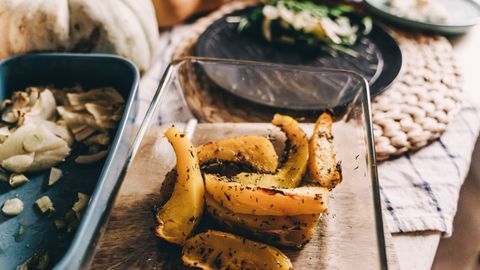
Vegetarian diets include dairy and eggs. Vegan diets exclude all animal products.
Nutritionally the difference is smaller than expected in some areas and larger in others.
Where the gap is real
B12. The largest difference.
Dairy and eggs contain B12, so vegetarians have a dietary source. Intakes are frequently marginal rather than generous, and studies find higher rates of low B12 status in vegetarians than in omnivores.
Vegans have no reliable dietary source at all and must supplement.
Practical position: vegans must supplement; vegetarians should consider it and should certainly test.
Calcium. Dairy is a major source, and studies find lower calcium intake and lower bone density in vegans compared with vegetarians and omnivores.
Addressable through fortified plant milks, calcium-set tofu and low-oxalate greens, and it requires deliberate attention that vegetarians do not need.
Iodine. Dairy is a substantial source in several countries, largely incidentally. Vegans have limited plant sources and generally need supplementation or iodised salt.
Long-chain omega-3. Eggs contain some DHA, particularly enriched varieties. Vegans rely on conversion from ALA or on an algal supplement.
Choline. Eggs are the richest source. Vegan intakes tend to be lower.
Protein convenience. Dairy and eggs are dense, complete and easy, and their absence makes hitting protein targets require more deliberate planning.
Where the gap is smaller than assumed
Iron. Dairy and eggs are poor iron sources, and dairy actively inhibits iron absorption. Vegetarians and vegans have similar iron intakes and similar rates of low stores.
Removing dairy does not worsen iron status and may slightly help it.
Zinc. Modest differences.
Overall protein adequacy, where both are generally fine with varied intake.
Fibre, where vegans generally do better.
Saturated fat, where vegans typically consume less, since dairy is a substantial source.
The health outcomes evidence
Large cohort studies have compared vegetarians, vegans and omnivores.
Broadly: both vegetarians and vegans show lower rates of cardiovascular disease, type 2 diabetes and some cancers than omnivores in these cohorts, with vegans generally showing the most favourable metabolic profiles.
One consistent finding worth knowing: vegans in several cohorts have shown higher fracture risk, attributed principally to lower calcium and vitamin D intake and to lower body weight.
That finding is addressable through diet and supplementation rather than being intrinsic.
Findings on stroke have been mixed across studies, with some reporting higher rates of haemorrhagic stroke in vegetarians, and the reasons are not established.
All of these are observational and subject to the healthy user problem discussed elsewhere on this site.
The practical positions in between
Worth naming, since a great many people are in one.
Flexitarian or reducetarian — mostly plant-based with occasional animal products. Well supported by the evidence and considerably easier to sustain than a total change.
Pescatarian — plant-based plus fish. Addresses the omega-3 and B12 questions directly and has favourable evidence in cohort studies.
Plant-based at home — strict domestically, flexible when eating out, which is a common practical arrangement.
None of these requires justification and all of them capture most of the health benefit.
The supplement lists
Vegan: B12 always. Vitamin D. Iodine unless using iodised salt reliably. Algal omega-3. Consider zinc and selenium depending on diet and region. Iron and calcium based on testing and intake.
Vegetarian: Vitamin D. B12 worth testing and frequently worth supplementing. Iodine depending on dairy intake. Omega-3 worth considering. Iron based on testing.
Which to choose
Not a nutritional question for most people.
Both can be done well. Vegan requires more attention to a longer list, and the list is short and manageable.
The considerations that actually drive the decision are ethical, environmental and practical, and this article does not have anything useful to say about those.
What it can say: if you are choosing between them on nutritional grounds alone, the difference is a handful of supplements and some attention to calcium.
The thing worth avoiding
The framing that treats vegan as the correct destination and vegetarian as an incomplete stage.
A vegetarian diet sustained for thirty years achieves more, on any measure, than a vegan diet abandoned after a year.
And someone who has substantially reduced their animal product consumption has done something meaningful, whatever label applies.
General information rather than individual advice. Consult a registered dietitian for guidance specific to your circumstances, particularly during pregnancy or for children.
Also by Dr. Farah Siddiqui
- Sustaining it for decadesTransition & Family
- Reintroducing foods, if you decide toTransition & Family
- Young athletes on plant-based dietsSport & Performance
- Protein requirements across a lifetimeProtein & Amino Acids