Okay, seriously – how much omega-3 do you need on a plant-based diet? Like, I’ve been vegan for years now here in the States, bouncing around between Faridabad vibes in my head sometimes but mostly dealing with American grocery hauls, and I still catch myself wondering if I’m getting enough. My kitchen right now smells like fresh-ground coffee mixed with that nutty flaxseed dust I spilled everywhere yesterday. Anyway.
I used to think “eh, toss some chia in my smoothie and call it good.” Turns out that’s… kinda lazy and maybe not enough for the long-chain stuff my brain apparently likes.
My Messy Journey Figuring Out Omega-3 on a Plant-Based Diet
So back when I first went full plant-based – like, embarrassingly recent compared to some folks – I was paranoid about deficiencies. I’d read all the horror stories online about vegans having low DHA levels and brain fog or whatever. I started tracking like a maniac. Apps, blood tests (cost me a fortune, ugh), the works. Spoiler: my levels weren’t tragic, but they weren’t stellar either.
The main thing? Most plant-based omega-3 comes as ALA (alpha-linolenic acid) from stuff like flax, chia, walnuts. Your body tries to convert that into the fancy EPA and DHA forms, but conversion sucks – like 5-15% to EPA and way less than that to DHA, according to places like the NIH fact sheet on omega-3s. Seriously, it’s inefficient as hell. Some days I feel like my body just shrugs and says “good effort tho.”
And yeah, studies show vegans often have lower blood EPA/DHA than fish-eaters, but weirdly some research (like that EPIC study) found vegan women actually converting robustly sometimes. Bodies are contradictory messes, just like me.
How Much Omega-3 Do You Actually Need on a Plant-Based Diet Anyway?
No perfect RDA exists just for vegans, but here’s the rough consensus I’ve pieced together from reliable spots:
- For general adults, aim for about 1.1g ALA/day for women and 1.6g for men (that’s the basic essential from places like the National Academies).
- But since conversion is crappy, many vegan-focused experts push for 250–500mg combined EPA+DHA daily to mimic what omnivores get from fish without the fish.
- Some say bump ALA higher – like 2–4g/day if no supplement – to compensate.
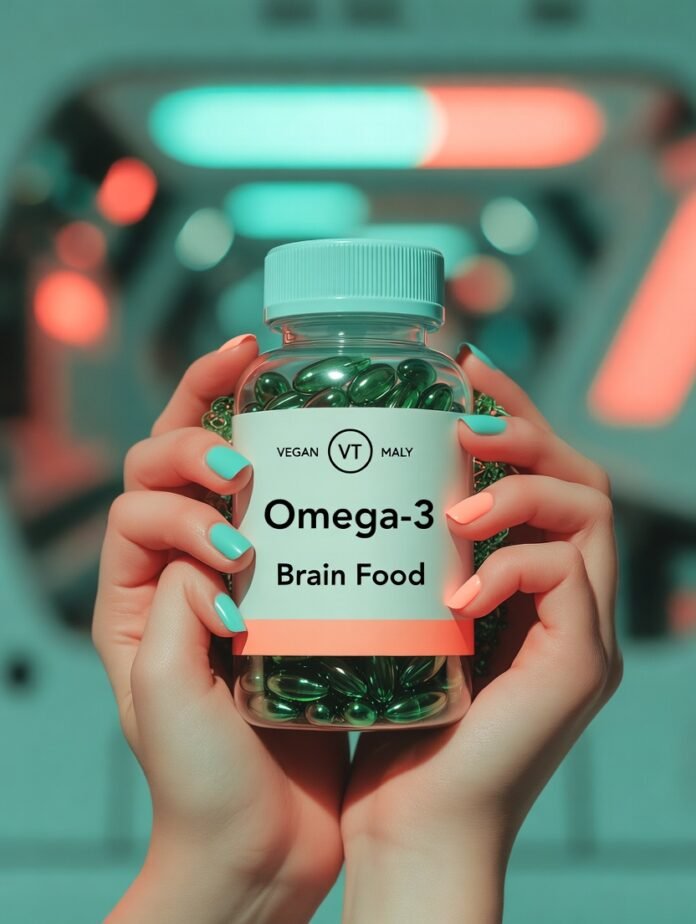
I aim for at least 1–2 tbsp ground flax or chia daily (that’s roughly 2–4g ALA right there) plus an algae supplement a few times a week. Algae oil is basically vegan fish oil – microalgae, sustainable, no fishy burps. Brands like Nordic Naturals Algae Omega or Future Kind get good mentions; I take something similar, 200–300mg DHA/EPA a few days a week. Not every day because I forget and then feel guilty.
For more: check out Physicians Committee for Responsible Medicine on plant-based omega-3s – they say most vegans hit enough ALA naturally. Or Vegan Health’s detailed breakdown which is super nerdy but honest.
The best foods for weight loss to kickstart your metabolism | Woman …
Best Plant-Based Sources of Omega-3 (What I Actually Eat)
Here’s my chaotic daily rotation, nothing fancy:
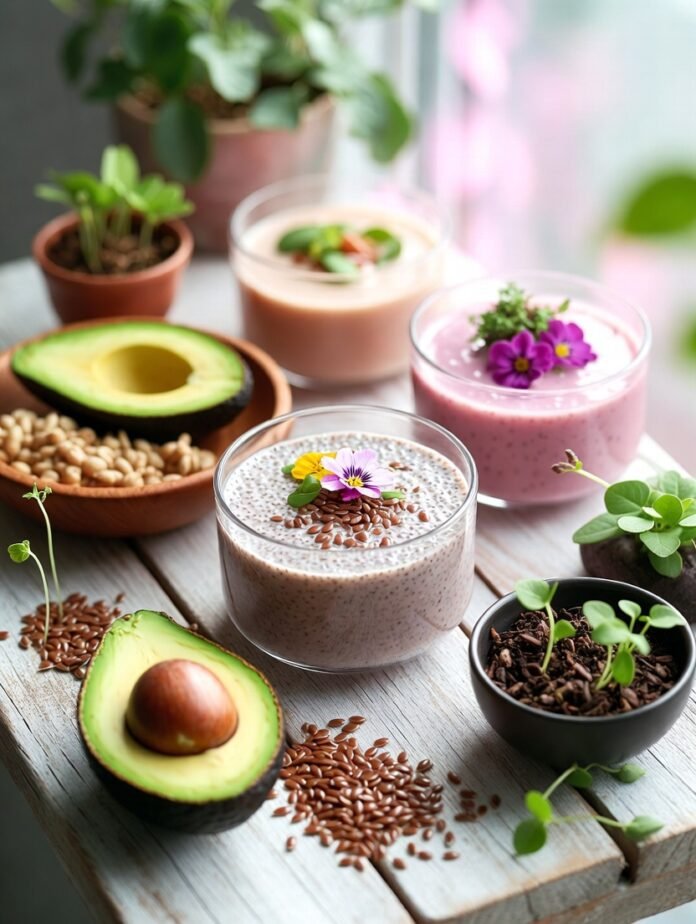
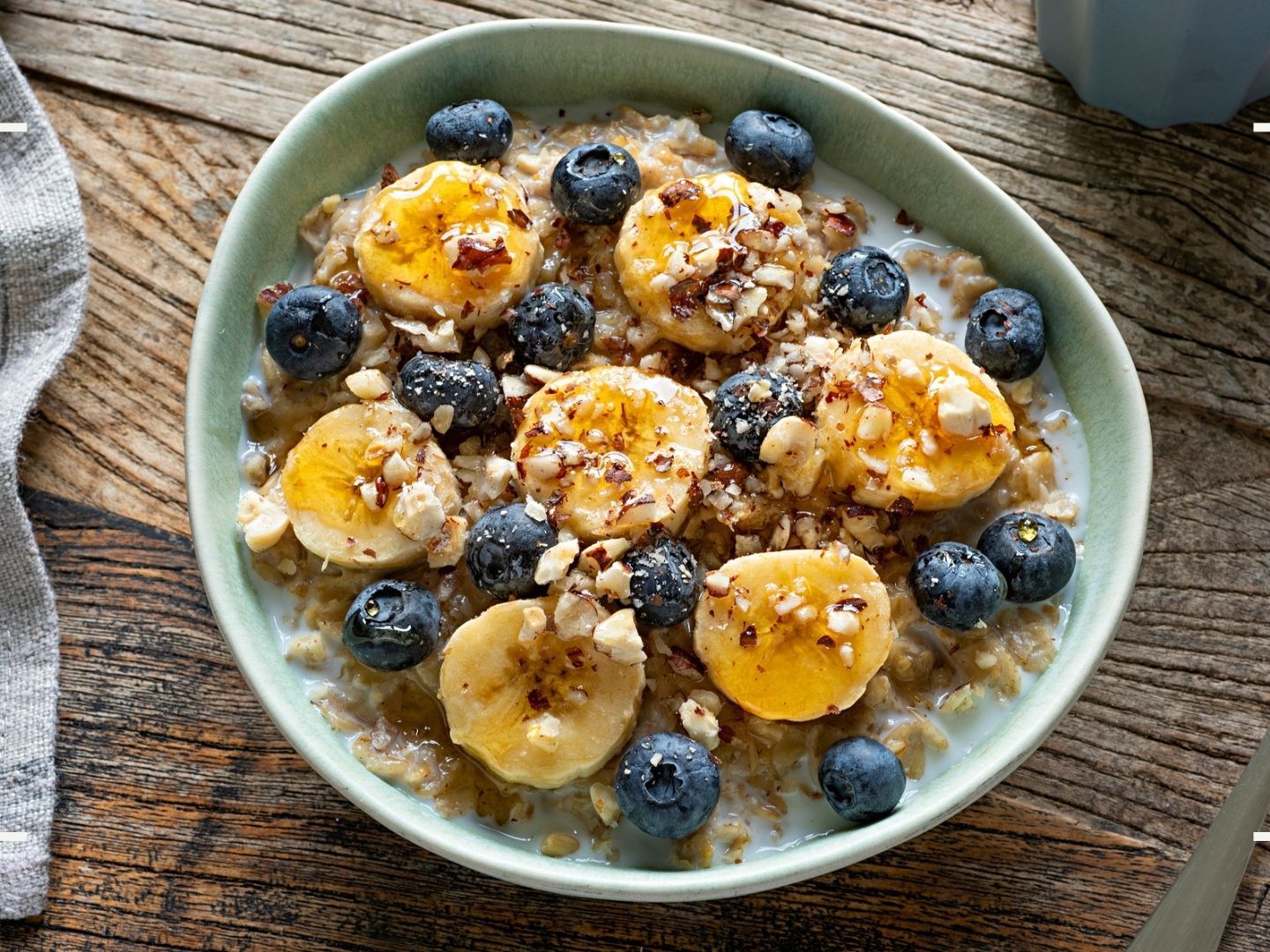
- Ground flaxseeds – I dump 1–2 tbsp in oatmeal or smoothies. Tastes like nothing if you hide it.
- Chia seeds – Overnight “pudding” thing I pretend is dessert. 1 tbsp = solid ALA hit.
- Walnuts – Handful as snack. Crunchy, fatty, perfect for when I’m hangry scrolling Reddit.
- Hemp seeds – Sprinkle on salads when I feel bougie.
- Algae supplements – My safety net. I pop ’em when I remember I’m not a perfect converter.
Pro tip: grind flax fresh if you can – whole seeds just pass through you like tiny spies. I learned that the embarrassing way after months of wondering why my levels sucked.
Do You Really Need Supplements on a Plant-Based Diet for Omega-3?
Short answer: probably helpful, especially if you’re not slamming ALA daily or have higher needs (pregnancy, athletes, older folks). Recent stuff even shows plant ALA can boost long-chain levels better than expected in some year-long studies, but still – algae oil is the cheat code for direct EPA/DHA.
I supplement maybe 4–5 days a week now. On lazy days? Just extra walnuts and hope for the best. My bloodwork last check wasn’t bad, but I felt clearer-headed with the supplement. Placebo? Maybe. Worth it? Yeah.
13 Things I Wish I Knew Before I Went Vegan | No Meat Athlete
Wrapping This Ramble Up
Look, how much omega-3 do you need on a plant-based diet isn’t one-size-fits-all. I overthought it for way too long, spilled flax all over my countertops more times than I can count, and still sometimes skip my algae pills because life. But getting consistent ALA from real foods plus occasional direct EPA/DHA seems to keep me feeling decent – less joint creakiness during runs, brain not total fog.
If you’re stressing, start simple: tablespoon of ground seeds daily, consider algae if you want insurance. Track how you feel. Maybe get levels checked if paranoid like me.
What about you? How do you handle omega-3 on a plant-based diet? Drop your hacks below – I need all the help. And seriously, if you try algae oil, tell me if it gives you weird dreams too or if that’s just me.
Stay real out there. 💚